NASA has opened applications for its next class of astronauts, inviting U.S. citizens to apply for roles that will support returning to the Moon and preparing for future crewed missions to Mars. Interested candidates have until 11:59 p.m. EST on Thursday, Dec. 3, to submit their materials for the upcoming selection process.
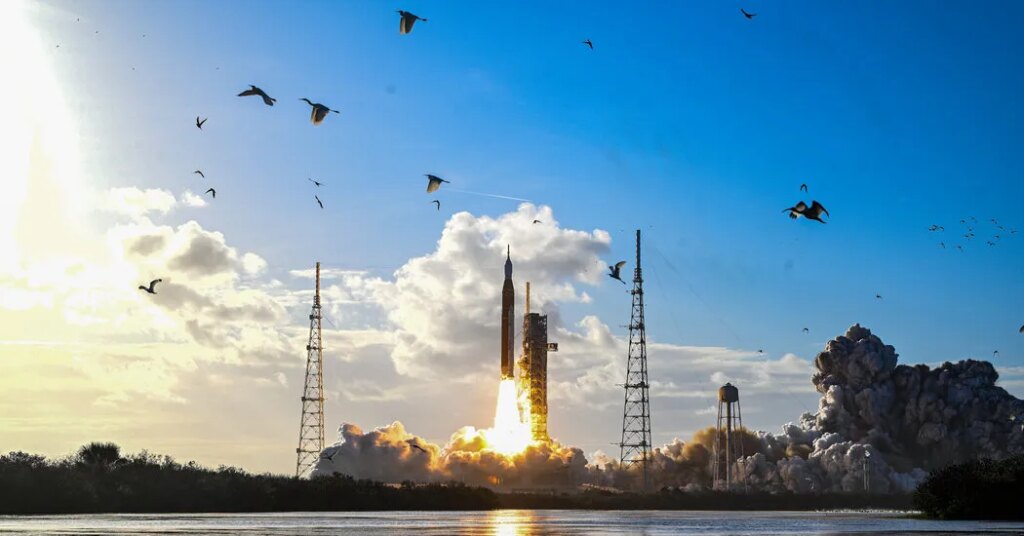
The agency is looking to expand its corps as it moves toward establishing a permanent human presence on the lunar surface. Although the competition for selection is intense, this coming window provides a rare chance for individuals interested in the Artemis program, which seeks to return humans to the Moon in 2028 and build a lunar base.
NASA Selection Rates Remain Extremely Low
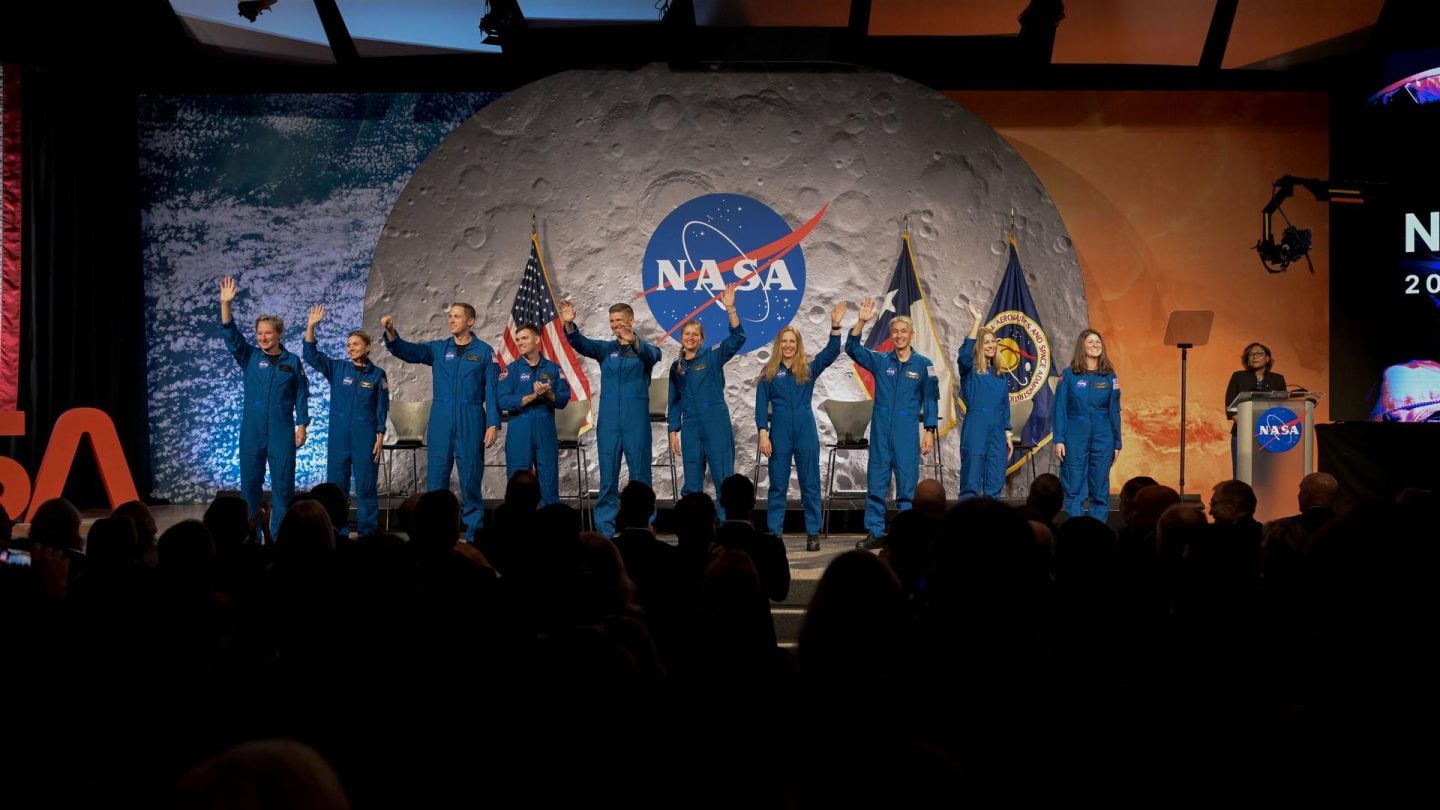
During the previous recruitment cycle in 2024, more than 8,000 people applied, yet NASA selected only 10 candidates in 2025. This resulted in an acceptance rate of less than 0.125 percent.
The current group of 10 selected in 2025 is currently nearing the end of nearly two years of training. NASA expects to make its final decision for this new group of applicants in late 2027.
Updated Degree Requirements Include Medical Expertise
NASA has updated its criteria to reflect a broader range of expertise. While a master’s degree in a STEM field—such as engineering, computer science, biological science, or physical science—remains a standard requirement, the agency has expanded the types of degrees it will accept. Candidates may also meet the requirements by holding a degree as a Physician Assistant, Doctor of Medicine, Doctor of Osteopathic Medicine, Family Nurse Practitioner, Doctor of Nursing Practice, or another related medical degree.
Other ways to meet the advanced degree requirement include:
- Completing at least two years of work toward a doctoral program in an appropriate technical field.
- Earning a medical degree.
- Completing a nationally recognized Test Pilot School program by July 2027, provided the applicant also holds a bachelor’s degree in a STEM field.
Beyond education, candidates must have at least three years of related professional experience following their qualifying degree. For those in aviation, specific flight hour requirements apply:
- High-performance jet aircraft: 750 hours of pilot-in-command time.
- Other fixed-wing aircraft: 1,500 total flight hours, including 750 hours as pilot in command.
A New Era of Lunar and Mars Exploration
The mission for this new class extends far beyond Low Earth Orbit. Selected astronauts will train to operate on the lunar surface and live and work in environments beyond Earth. The agency currently has 32 active astronauts, and the new recruits will join them to help pioneer systems that will eventually carry crews to Mars. Since the 1960s, NASA has selected a total of 370 people to train as astronaut candidates.
The people we select could walk on the Moon, live and work at the Moon Base, and help pioneer the systems and operations that will ultimately carry crews to Mars.
Jared Isaacman, NASA Administrator
As the International Space Station is scheduled to be retired in 2030, the agency is shifting its focus toward the Moon and eventually commercial space stations.
That’s definitely a new aspect that was not there when we joined,
Woody Hoburg, NASA astronaut
The selection process is overseen by the Astronaut Selection Board at NASA’s Johnson Space Center in Houston, chaired by chief astronaut Scott Tingle. For those applying, Tingle noted that becoming an astronaut is more than just a career opportunity.
The astronaut corps has a history of diverse candidates, including North Carolina connections. Christina Koch, who grew up in Jacksonville and earned three engineering and science degrees at N.C. State, was selected in 2013 from a pool of more than 6,000 applicants. Zena Cardman, a UNC-Chapel Hill graduate, joined the 2017 class, which was chosen from more than 18,300 applicants. More recently, Duke graduate Anna Menon was selected for the 2025 class. Historical selections range from Kathryn Sullivan, who was 26 when selected in 1978, to Barbara Morgan, who was 46 when she joined the corps in 1988 as part of the teacher in space program. The average age of selected candidates is 34.
The window is open. The mission is waiting. And the only thing missing from the greatest adventure humanity has ever embarked upon is you,
said NASA Deputy Administrator Matt Anderson. Spaceflight is just one part of it. You are a team member before you are any thing in this role,
added April Jordan, Manager of NASA Astronaut Selection.
The published salary for the position is $164,395 per year. Application information and further details regarding the career path are available through NASA’s official channels.