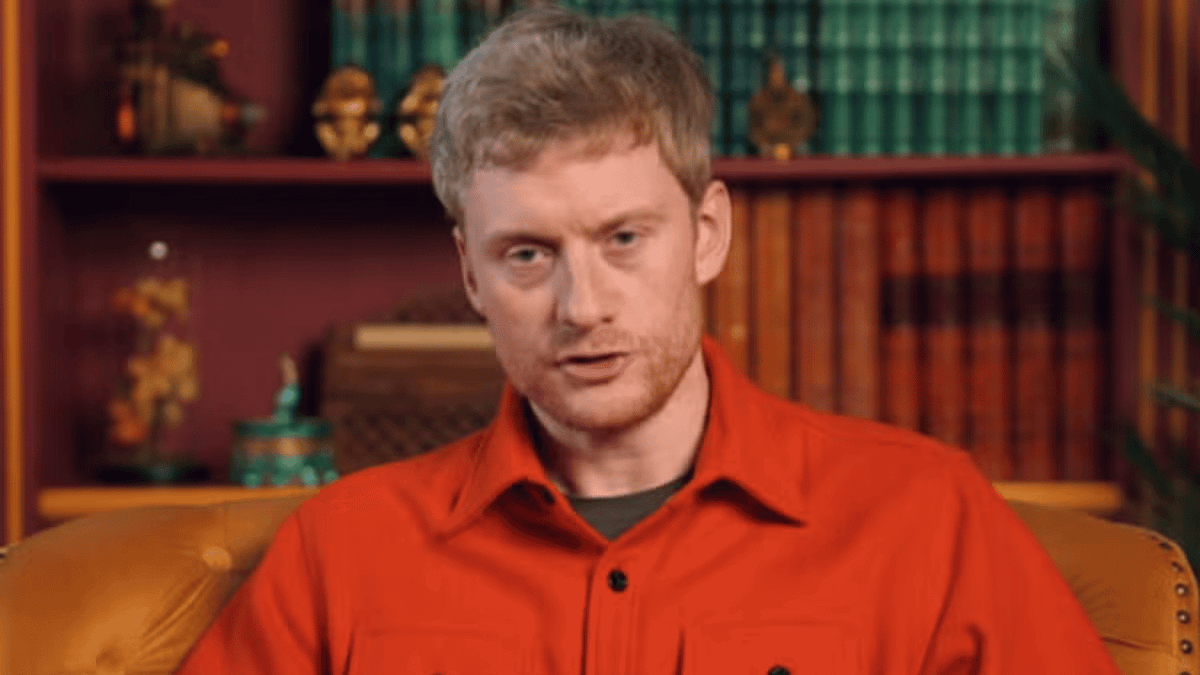
The psychological toll of reality television’s most grueling formats has once again moved to the forefront of the industry conversation, following comedian James Acaster’s candid admission regarding his tenure on the BBC’s hit series, Celebrity Traitors. In a recent interview with Far Out Magazine, Acaster revealed that the intensity of the game—specifically a task involving being buried in coffins—left him questioning the reality of his own surroundings even after filming concluded.
The Breaking Point at the Roundtable
The 41-year-old comedian’s participation in the series ended in a dramatic, self-imposed exit during the semi-final episode. After being recruited as a Traitor against his express wishes, Acaster found himself under immense pressure as the Faithfuls, led by Michael Sheen, began to close in on his identity. As reported by LADbible, Acaster eventually cracked, telling his fellow contestants, “I was made a Traitor without wanting to be. It’s me. Vote for me.”
NEW 🚨 Comedian James Acaster has reportedly signed up for The Celebrity Traitors Series 2! pic.twitter.com/SFjvKFeA17
This admission was not merely a tactical error but, according to reports from the Daily Mail, the culmination of a period of significant distress. Sources indicated that filming was briefly paused to allow Acaster to gather himself before he addressed the group. The BBC later issued a statement regarding the production, emphasizing that the safety and welfare of all participants remain their “highest priority,” with a dedicated welfare team monitoring contestants throughout the duration of the show.
The Realities of Manufactured Trauma
The tension between creative production and contestant well-being is a recurring theme in the high-stakes world of reality television. Acaster’s description of the “buried alive” mission—where contestants were locked in underground coffins with soil heaped on top—serves as a stark reminder of the lengths to which production teams go to induce authentic reactions. Acaster noted that he and fellow contestant Bella Ramsay felt genuine fear during the segment, even suggesting that the group should have collectively walked away from the task after Jerry Hall opted out.

“I was lying there thinking, actually, I think I’m really scared of this,” Acaster told Far Out Magazine. His experience highlights the thin line between compelling television and the mental load placed on performers. While the series remains a massive ratings success—with his final episode securing the highest viewership of the entire season, according to The Mirror—the human cost of maintaining that brand equity remains a subject of scrutiny.
A History of Transparency
Acaster has long been open about his personal history with mental health, a factor that adds a layer of depth to his reaction to the intense environment of Ardross Castle. In a 2020 interview with the BBC, he discussed his past struggles with anxiety and depression, noting that he had previously sought support from the Samaritans and attended regular therapy. This history provides context for his admission that, following his exit from the show, he felt as though “nothing feels very real at the minute.”
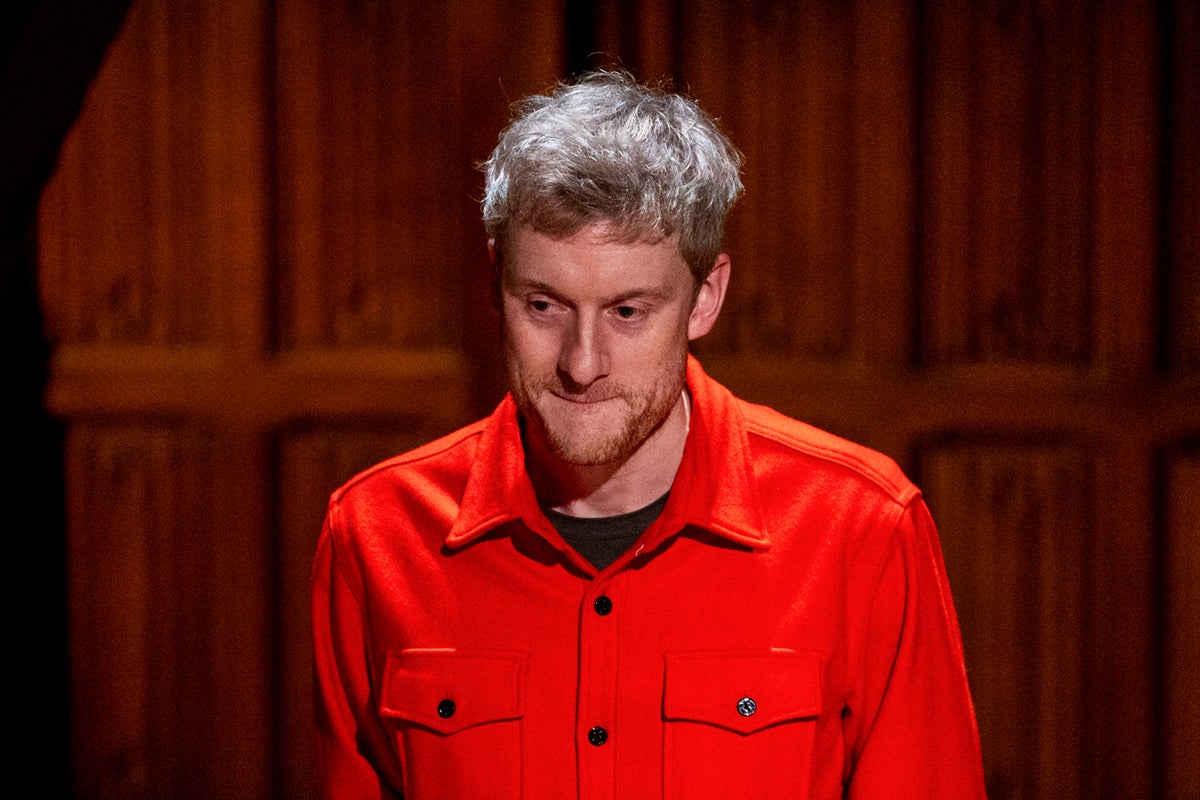
Despite the anxiety the show induced, Acaster’s peers on the comedy circuit have defended his actions. While some viewers criticized the move as “ruining” the final episode of the series, sources close to the comedian maintained that his decision was a reflection of the unique, and often overwhelming, pressure cooker that The Celebrity Traitors creates for its cast. As the industry continues to push for higher engagement and more viral moments, the case of James Acaster serves as a potent case study on the limits of performance in the reality genre.
Disclaimer: The cultural analyses and financial data presented in this article are based on available public records and industry metrics at the time of publication.