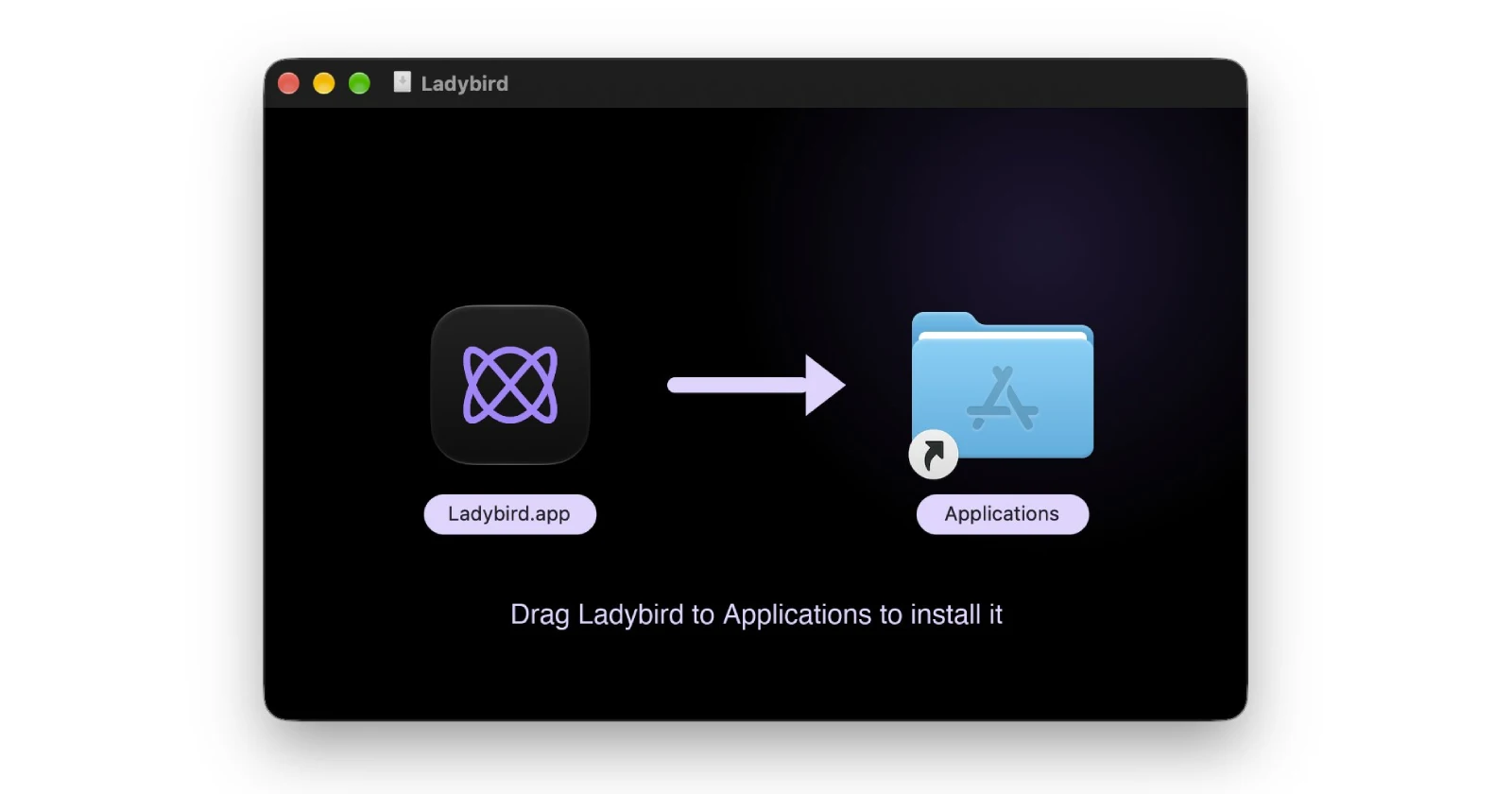
Ladybird released its first alpha builds for macOS and Linux after more than four years of development.
This milestone brings testers the first web browser built from the ground up with an independent rendering engine in years. Ladybird relies on a fresh engine rather than a fork of Gecko, Blink, or WebKit.
Development began inside a C++ project. Creators then began porting code to Rust for memory safety, using human-directed AI tools for the transition.
Testers should expect rough edges while using the software. “This is an alpha, so some websites won’t work, and it will crash sometimes,” founder Andreas Kling said on the project’s blog.
He added that the project makes “no promises about security today”. The team invites vulnerability reports from security researchers.
The build offers core browsing essentials. These include a tab bar with an optional vertical layout, appearance controls including a dark mode toggle, and a built-in content blocker.
Search integration requires a manual choice from options like DuckDuckGo, Ecosia, Google, and Kagi Search. The software sets no default provider.

Web developers can test compatibility using WebDriver for automated tasks. They also use the Firefox DevTools protocol.
The Ladybird Browser Initiative, a 501(c)(3) nonprofit organization, oversees the project. Its mission is to foster an open web and protect user privacy.
Operations rely entirely on donations and corporate sponsorships. Top-tier contributors include Cloudflare, FUTO, and Shopify.
Annual commitments span from $1,000 to $100,000. Project organizers said that financial backers “have no say in our technical roadmap or product direction”.
Dominant web browsers today rely on three primary rendering engines. Mozilla Firefox uses Gecko, which appeared in Netscape 6 in 2000.
Apple Safari runs on WebKit, arriving in 2003 as a fork of the KDE KHTML project. Google Chrome, Microsoft Edge, and Opera operate on Blink. The Google-backed Chromium project created Blink in 2013 by forking WebKit.
Ladybird originally spun out from SerenityOS development alongside its HTML viewer. It evolved into an independent project.
The alpha channel operates as a rolling release. It pushes automatic updates regularly to users.
Users on Linux can choose between building the software themselves or downloading Flatpak builds. Fedora binaries and Ubuntu packages are available for download.
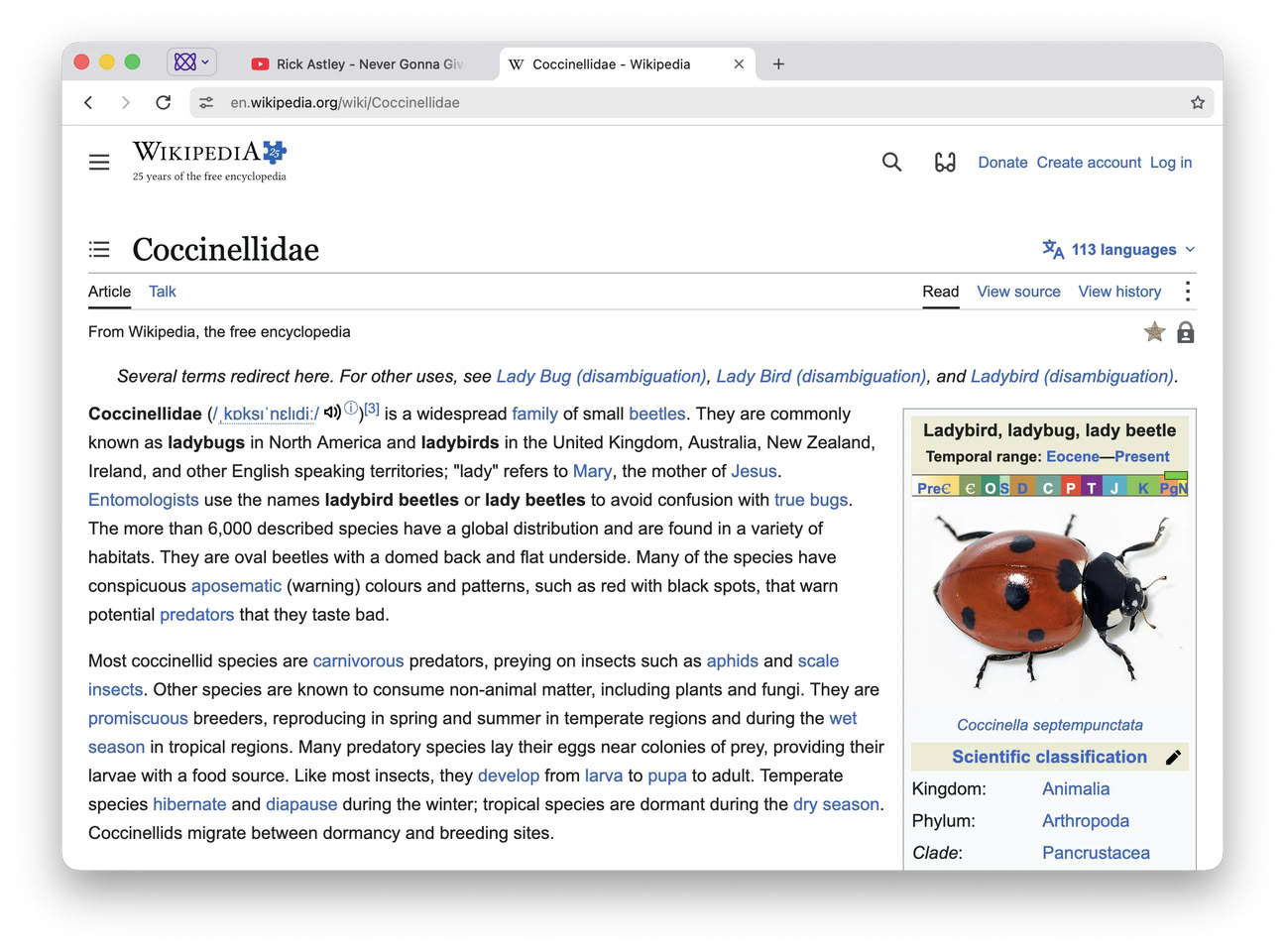
The vendor makes no promises regarding current security protections. The project encourages security researchers to attempt hacking the browser so that vulnerabilities can be identified and patched.
Mac users running Apple Silicon can download application bundles directly from the project website. Linux distribution support includes Flatpak packages alongside specific repositories for Ubuntu versions 24.04 LTS and 26.04 LTS.
Andreas Kling brought extensive technical experience to the project, having previously worked at Nokia and on the WebKit team at Apple. This background in browser engine development and operating systems informed his 2018 creation of SerenityOS, a Unix-like desktop operating system built with a custom kernel and integrated development environment. Kling initially developed the browser engine that would become Ladybird as a core component within the SerenityOS ecosystem.
By 2021, Kling transitioned to working full-time on SerenityOS. He eventually shifted his focus toward Ladybird as an independent browser, stepping down as project lead of SerenityOS in June 2024 to dedicate his efforts to the new initiative.
Native builds for Windows remain planned for a later stage of development.