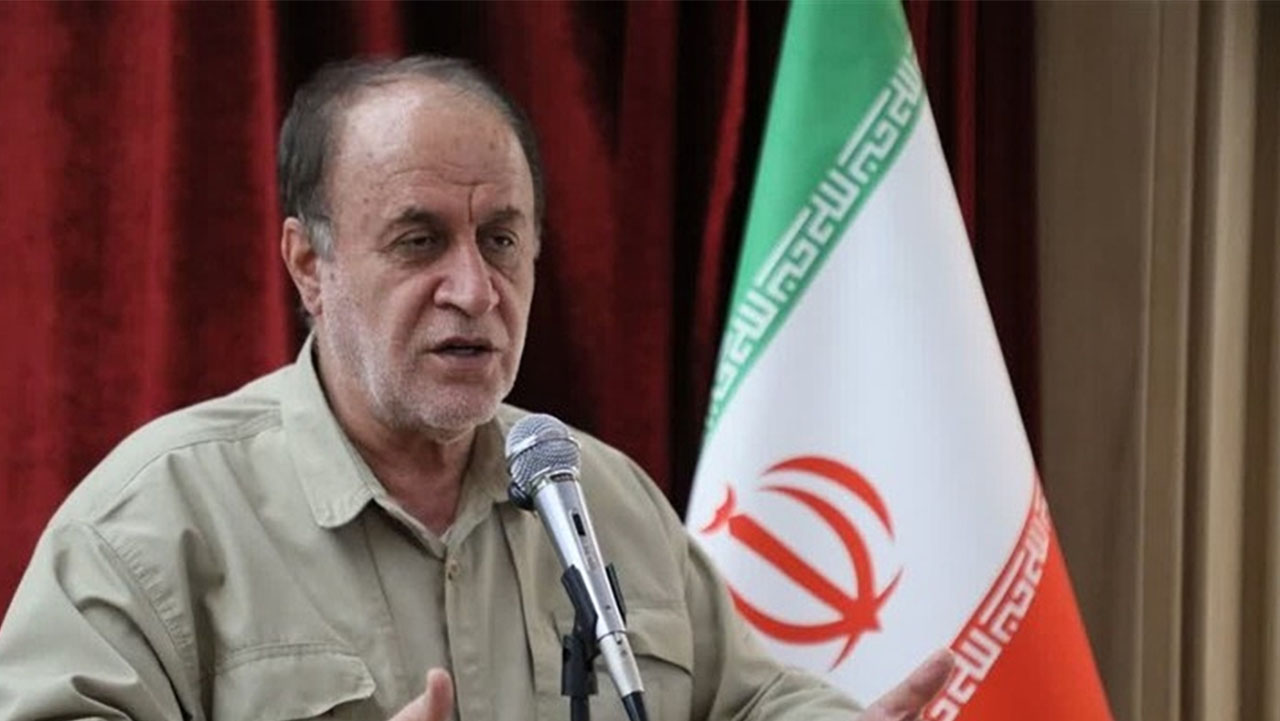
Two tankers struck naval mines in the Strait of Hormuz after entering restricted waters with their tracking systems turned off, according to the Islamic Revolutionary Guard Corps.
The Tuesday explosions left the vessels burning and stalled in vital shipping lanes, deepening a regional standoff that has reduced oil traffic through the corridor by more than a fifth since October. The latest blasts follow similar incidents recorded by the United Kingdom Maritime Trade Operations.
The British agency reported a projectile striking a tanker near Khasab, Oman. A projectile hit a vessel operating in the area, following a separate incident where an unidentified projectile struck a tanker near Khasab, triggering a fire without causing casualties, according to the United Kingdom Maritime Trade Operations.
The British agency also noted another strike near the Omani city. Agence France-Presse reported that the Strait of Hormuz has seen shipping disruptions since the conflict began, with traffic dropping in the week ending November 18.
Revolutionary Guard Warns Shippers Against US Naval Escorts
The Iranian military asserted full control over the strategic waterway, warning commercial shipping companies against trusting United States military escorts. Do not let the lies of American officials lead you onto a path of explosions and fires due to marine mines, the Revolutionary Guards said in a statement reported by YNET. You have been warned.
The Islamic Revolutionary Guard Corps (IRGC) said Sunday two oil tankers were struck by naval mines and engulfed in flames while attempting to cross the Strait of Hormuz, according to a statement carried by Iranian state media. The IRGC Navy claimed the tankers were operating…
Iranian state media reported that one of the damaged vessels was a supertanker carrying more than two million barrels of crude. The second was a liquefied natural gas carrier. Both ships caught fire after hitting mines in areas designated as unauthorized by Tehran.
Oil Prices Drop Despite Tanker Attacks and Slower Strait Traffic
Despite the persistent threat of maritime attacks, global oil prices have softened rather than surged. Brent crude traded near 88.7 dollars a barrel, reflecting a decline of about 0.7%. West Texas Intermediate hovered around levels reported by ביזפורטל.
Public Relations Office of the Islamic Revolutionary Guard Corps (IRGC) Navy: 🔹 In recent hours, two oil tankers travelling through the unauthorized southern route of the Strait of Hormuz suffered massive explosions after striking naval mines. 🔹 These tankers, acting under… pic.twitter.com/NTNBrDP1qG
Analysts point to market conditions, including higher output and excess global supply, as factors dampening price reactions. Tanker traffic through the strait has slowed significantly.
Data from maritime tracking firm Kpler showed that daily crude flows dropped in the ten days leading up to late November. Flows fell down from an October average.
US Treasury Sanctions Iran Shadow Banking Network Across Three Nations
While military tensions persist at sea, diplomatic efforts continue in Washington. The United States Treasury Department targeted Iran’s shadow banking network.
The department imposed sanctions on 22 entities and eight individuals across Dubai, Hong Kong, and Turkey. The Treasury said that the network facilitates petrochemical sales in non-dollar currencies, intensifying financial pressure alongside the naval standoff.

Goldman Sachs Projects Brent Crude Averaging 88 Dollars Through 2027
Goldman Sachs analysts projected that Brent crude prices would average 88 dollars per barrel through 2027. Prices would stay very close to morning trading levels, as reported by ביזפורטל.
At the same time, United States government bonds rallied across the entire yield curve on a day when Wall Street experienced a surge driven by Jensen Huang returning to Nvidia.
Qatari Prime Minister Mohammed bin Abdulrahman Al Thani told Al Jazeera that Qatar was actively working with both Iran and the United States to revive negotiations. During their visit to the White House, Al Thani and Qatari envoy Ali Al-Thawadi met with United States Vice President JD Vance to discuss these renewed diplomatic efforts.
Cyber Threats and Regional Evacuations
United States authorities launched an investigation to determine whether Iran was responsible for cyberattacks targeting tankers, according to ביזפורטל reporting. United States President Donald Trump issued a warning giving Iran until the end of the year to reach an agreement, cautioning that military strikes could resume otherwise.
🇮🇷 Iran claims two more oil tankers hit naval mines and caught fire in the Strait of Hormuz. The Revolutionary Guard claims the ships were using a southern route with U. S. officers guiding them and American fighter jets providing support. Both allegedly hit mines that triggered… pic.twitter.com/8AYZn7hpMo
Relocation of Iranian Headquarters in Beirut
Lebanese security sources told the Emirati outlet Aram News that Iran’s Islamic Revolutionary Guard Corps has begun evacuating headquarters from the Dahieh neighborhood of Beirut and its surrounding areas. The move follows direct instructions from Tehran following warnings of a potential extensive Israeli escalation in Lebanon.
Lebanese security mechanisms reportedly observed that personnel linked to the Revolutionary Guards continued to enter the country over recent months despite dozens of Iranian officers departing in March. Qatari Prime Minister Mohammed bin Abdulrahman Al Thani told Al Jazeera that Qatar was actively working with both Iran and the United States to revive negotiations.
Iran's Islamic Revolutionary Guard Corps navy said in a statement Sunday that an oil tanker struck naval mines east of the Strait of Hormuz and caught fire, according to the state-run Islamic Republic News Agency. Follow live updates: https://t.co/7DocopZIVB


