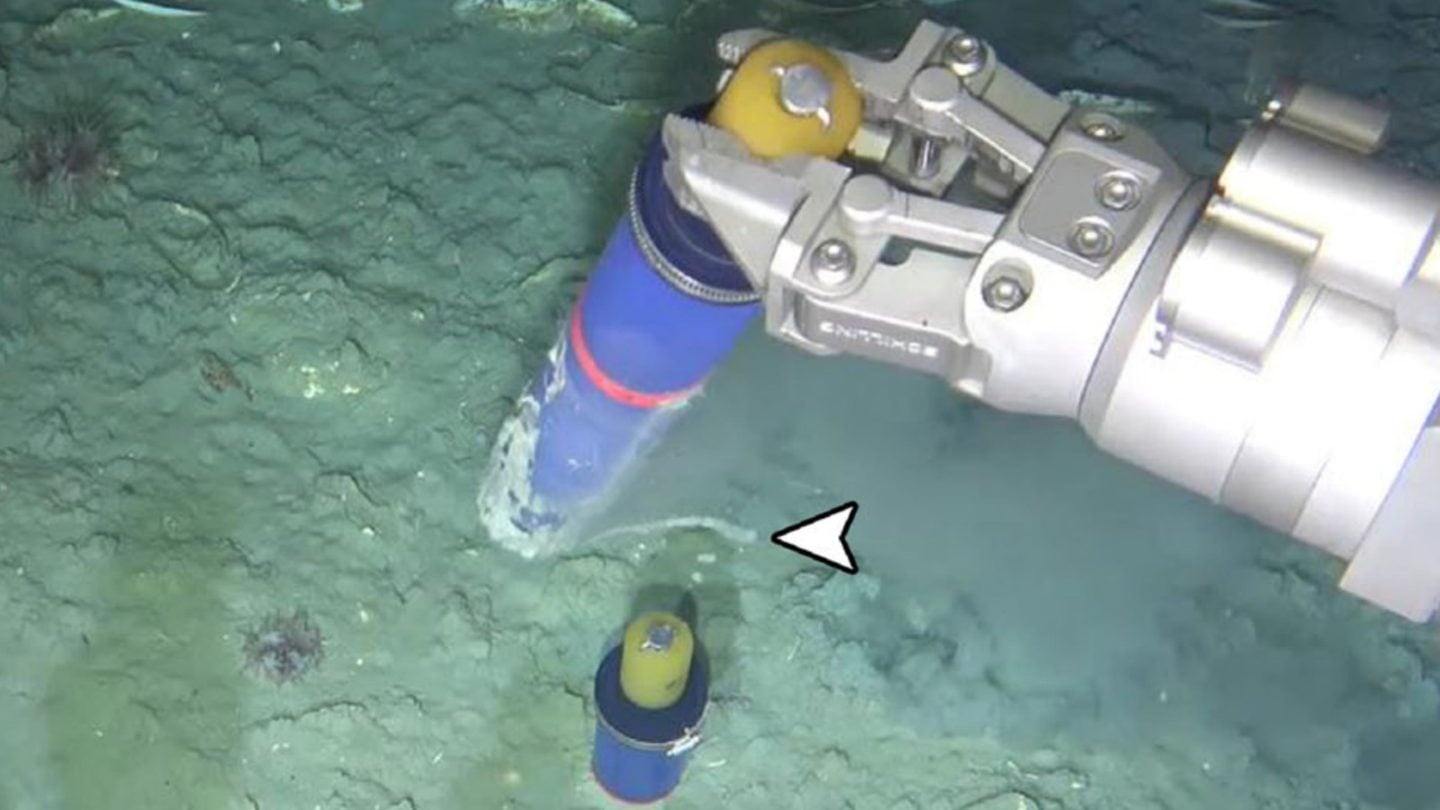
Deep beneath the South China Sea, researchers have uncovered a microscopic cell compartment unlike any other on Earth.
The newly identified organelle hides inside the digestive gland of the divine dragon glistenworm, a rare deep-sea mollusk scientifically known as Chaetoderma shenloong. When this creature was first described in 2024, the World Register of Marine Species ranked it among the year’s top ten most remarkable biological finds.
The mollusk lives buried in sediment around methane seeps on the seafloor, existing in an environment where oxygen is extremely scarce. Inside the specialized bacteriocytes of its digestive system, scientists found microscopic compartments dubbed dragonspheres or dragonballs in a playful nod to Akira Toriyama’s famous manga series.
Each dragonball features a highly complex architecture. The structures are bound by more than twenty membrane layers and pack hundreds of symbiotic bacteria inside their membranes, functioning essentially as internal bacterial farms.
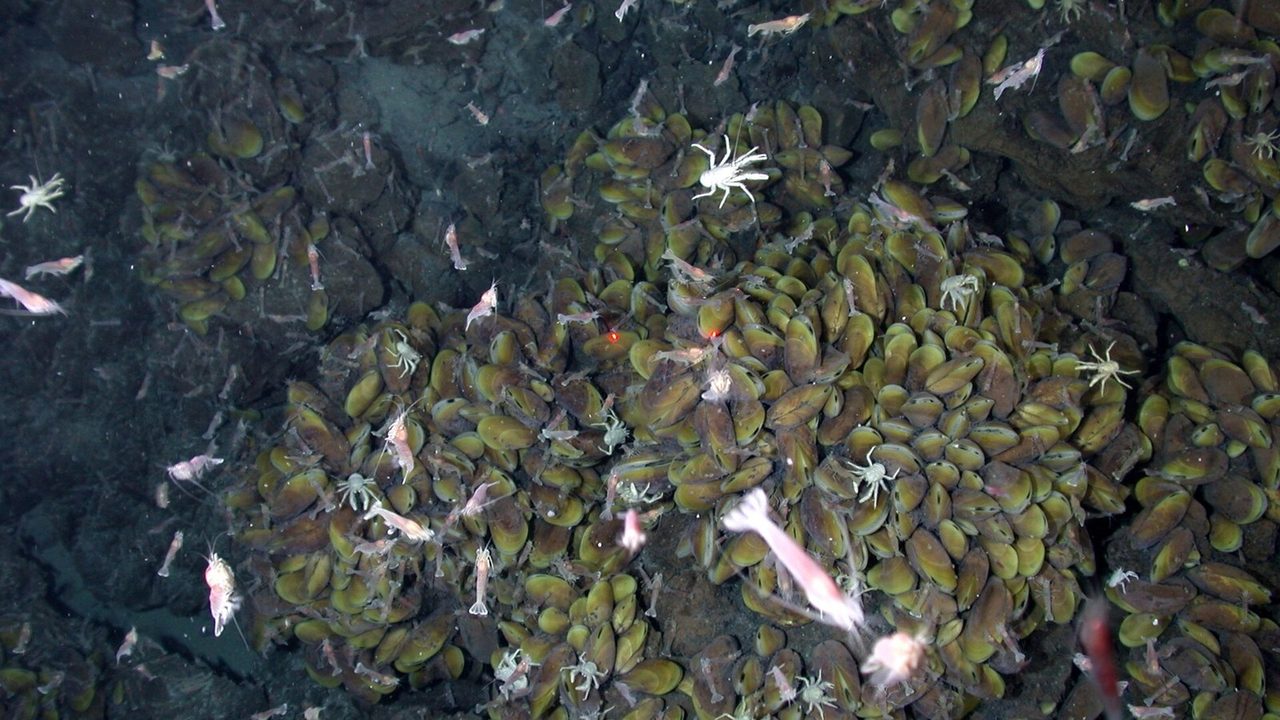
DNA sequencing revealed that every dragonball contains a single species of symbiotic bacterium capable of sulfur oxidation. Rather than relying on sunlight, these microbes utilize inorganic chemical energy to produce organic matter.
This reliance on chemical energy connects to a broader history of deep-sea biology. Since researchers discovered the first hydrothermal vent on the Galápagos Rift in 1977, science has known that animals near hot vents and cold seeps sustain themselves on symbiotic bacteria performing chemosynthesis.
While other mollusks and tube worms were already known to host chemosynthetic bacteria in bacteriocytes, the presence of dedicated intracellular compartments like dragonballs has never been documented before in any other animal.
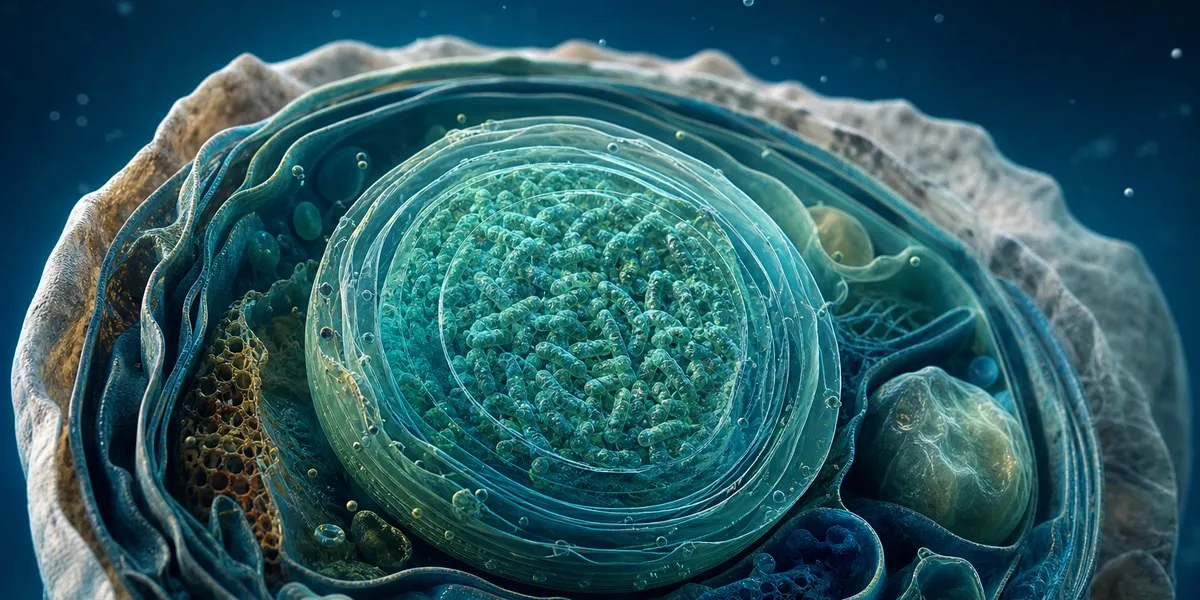
Scientists have proposed two main hypotheses regarding how the glistenworm utilizes these multilayered structures, though neither has been fully proven.
Researchers suggest the mollusk might occasionally dismantle individual dragonball membranes to release the bacteria into the host cell for digestion, effectively harvesting food from its cellular farms. Because no cellular digestive sacs called lysosomes were found inside the dragonballs themselves, digestion must occur outside the organelle.
Another theory is that enclosing the microbes inside more than twenty membrane layers prevents them from consuming limited oxygen supplies in the sediment, leaving more of that scarce resource available for the host animal.
Nonetheless, due to the lack of living specimens available for experimentation, this hypothesis is primarily derived on correlative evidence and requires physiological validation.
Study authors, Nature Communications
The specimens analyzed in the study came from methane seeps in the South China Sea. However, researchers also serendipitously collected one of the mollusks near a mud volcano off the coast of Japan, marking a third known site for the species and widening its recorded geographic range.