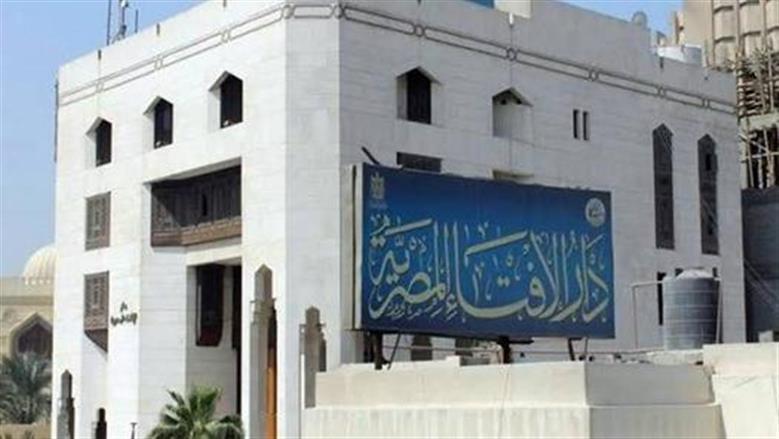
Smartphones and conversational software cannot replace professional calibration when determining prayer times and the qibla direction, according to a recent statement from Egypt’s Dar al-Ifta.
Religious authorities addressed widespread inquiries regarding the reliability of mobile phone apps and artificial intelligence models used for daily worship. The agency cautioned that reliance on these models presents a risk of error and inaccuracy.
Caution is paramount in matters governing the validity of ritual prayer.
Outputs generated by these technologies lack mandatory oversight and review from certified experts in astronomy and geodesy. Correct alignment toward the Kaaba and exact timing are required conditions for prayer. Scholars said that digital outputs alone do not fulfill the legal requirements of independent verification.
The institution also said that large language models can produce outputs containing subtle inaccuracies or false information that appears correct. This limitation stems from unverified training datasets and sources.

Officials elaborated on the practical limits of digital tools during religious inquiries. Ahmad Wissam, secretary for fatwas, said that personal effort in locating the qibla requires both a reliable instrument and proper user execution.
“Simply using a mobile phone does not mean I have exercised proper diligence,” Wissam said, via Sada Elbalad. “Using a tool must be done accurately and correctly; otherwise, it is not diligence, but negligence.”
The secretary for fatwas also addressed situations where people find themselves traveling through remote areas without electronic devices. Traditional navigation methods such as observing the position of the sun and identifying cardinal points remain valid alternatives, he said.
Scholars said that if a worshipper makes a sincere and diligent effort using available resources before performing prayers, the worship remains legally valid even if a minor directional miscalculation occurred.
The religious institution also outlined permissible uses for artificial intelligence across other daily activities, including academic research and financial markets.
Ali Fakhr, secretary for fatwas, said that students may use automated systems to organize notes. Students may also use them to translate texts or accelerate literature searches, provided the technology serves as an auxiliary aid rather than a replacement for personal study and comprehension.
Scholars said that students should avoid relying on automated systems to generate entire academic assignments from start to finish without individual effort. Complete automation eliminates the foundational learning objectives of education.
In the financial sector, the agency said that automated trading systems operating without human intervention are permissible under specific commercial rules. Investments must target lawful assets and remain entirely free from gambling, electronic manipulation, and market hoarding.