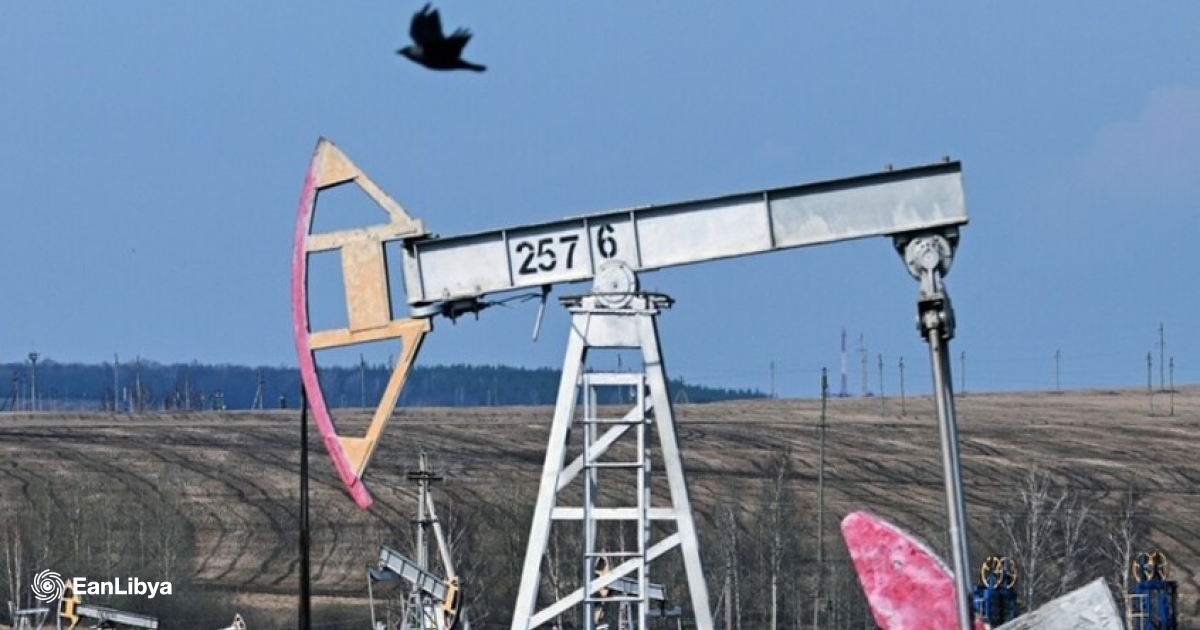
Global crude prices surged toward 110 dollars a barrel in mid-October 2026, driven by tightening global inventories and military escalations near the Strait of Hormuz. Benchmark Brent crude reached its highest settlement since May following attacks on regional energy infrastructure and persistent supply bottlenecks.
Energy markets closed the week on a sharp upward trajectory as geopolitical conflict converged with structural refinery constraints. Brent crude futures settled up 3.94 dollars, or 3.7%, to reach 109.86 dollars a barrel, marking their highest settlement level since May 19, according to market data reported by energy tracking desks. At the same time, U.S. West Texas Intermediate (WTI) rose 3.44 dollars, or 3.5%, to settle at 101.41 dollars a barrel.
The weekly advance left Brent with gains of 4.9% while the American benchmark jumped 10.4%. The climb broke through trading ceilings that had held steady for months, reflecting mounting anxiety among traders over the security of physical barrels moving out of the Persian Gulf.
Strait of Hormuz Disruptions and Gulf Flow Reductions
Tanker traffic through vital maritime chokepoints dropped significantly following a wave of military actions.

Attacks near key production and export facilities added immediate risk premiums. U.S. Central Command operations noted that a Singapore-flagged container ship owned by a Cyprus-based entity was struck by a projectile in the strait and caught fire according to military briefings released this week. Military officials stated that the majority of targeting attempts failed, but the physical risks to commercial tonnage drove insurance and freight costs sharply higher.
Refinery Deficits and Drone Strikes Trigger Diesel Shortages
Beyond crude extraction, the core of the market pressure centered on refined products, particularly diesel. According to technical reports, global oil refining infrastructure faces a massive structural deficit in derivatives published in industry reviews.
Simultaneously, drone strikes disabled primary distillation units at facilities including Russia’s Ryazan refinery. Military strikes in the Middle East cut regional refinery output.
The geopolitical conflict in the Middle East continues to return to the forefront, and there are doubts about the amount of diesel fuel Russia can actually deliver. These two factors continue to drive buyers into the market.
Governments Release Emergency Reserves as Stockpiles Drop
To cool surging prices, international agencies and consuming governments stepped up emergency supply measures. The International Energy Agency moved to release emergency volumes.
Combined U.S. commercial and strategic inventories fell to their lowest level since 1984 as Washington was forced to act as an emergency supplier of refined fuels. Globally, petroleum stockpiles dropped significantly during July alone, pushing cumulative losses since the onset of geopolitical conflicts to 410 million barrels.

Iran Proposes Reopening the Strait of Hormuz
Amid the supply squeeze, diplomatic channels remained active regarding the closure of maritime corridors. Iranian Foreign Minister Abbas Araghchi stated that a proposal floated by Tehran in September to reopen the Strait of Hormuz within seven days remained on the table despite ongoing disagreements with Washington over terms to resolve the conflict.
Our position is clear and based on the seven-day proposal presented to the United States Araghchi said during a regional press briefing, adding that negotiations continue as energy importers monitor transit lanes for signs of normalization.