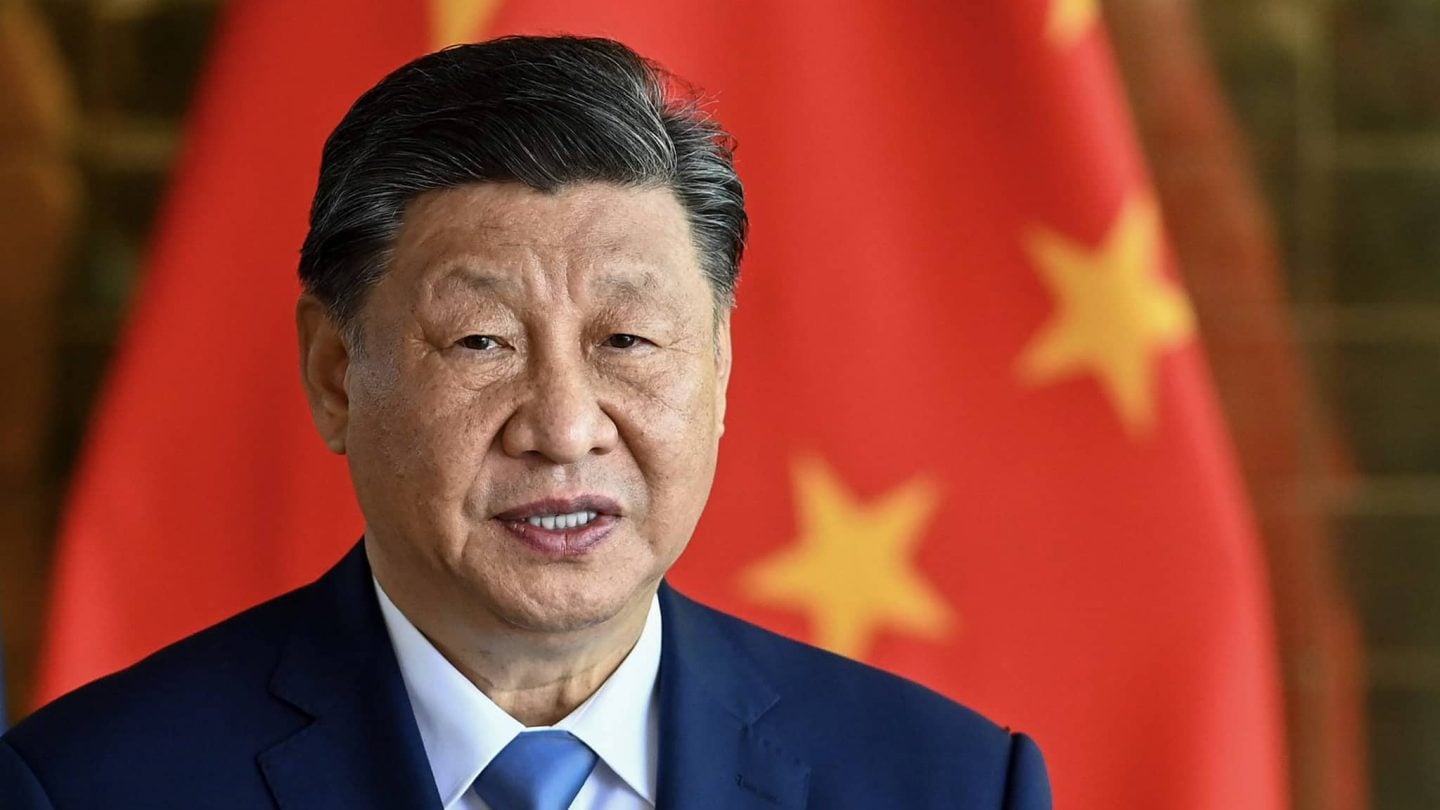
China’s ruling Communist Party expelled 33 senior officials on October 29, 2026, leaving only two members on its top military commission as preparations begin for the 2027 leadership transition.
Central Military Commission Reduced to Two Members
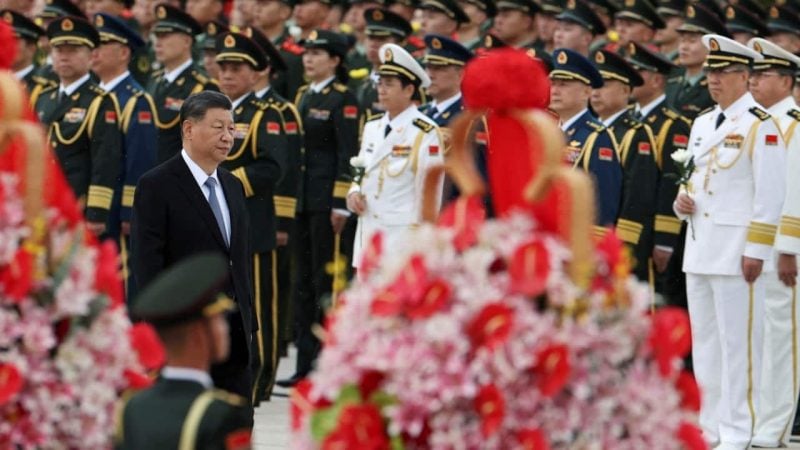
An official communique issued at the conclusion of a four-day, behind-closed-doors Central Committee gathering in Beijing verified these dismissals. The Fifth Plenum of the party’s Central Committee was held from 26 to 29 October 2026. Sixteen of the 33 removed officials belonged to the military, cutting the Central Military Commission to just two seats filled: Xi Jinping and Zhang Shengmin. The Central Military Commission oversees China’s armed forces and is chaired by Xi.
Among those expelled were former senior generals Zhang Youxia and Liu Zhenli. These two officials were stripped of their commission posts by the NPC Standing Committee at the close of August 2026, ousted by the Politburo in September, and formally endorsed by the Central Committee in October. Those expelled also included former Xinjiang party chief Ma Xingrui and former diplomat Liu Jianchao.
The crackdown forms part of a widening series of purges that have hollowed out the leadership of every branch of the People’s Liberation Army.
Having led China since 2012, President Xi Jinping is nearing the next Communist Party Congress set for the latter half of 2027, with widespread expectations that he will pursue a fourth five-year term as party general secretary. The party has credited his anti-corruption campaign with addressing governance failures and eliminating risks within the party, state, and military.

Rise of Military Inquisitor Zhang Shengmin
General Zhang has been the principal overseer of the campaign to purify the People’s Liberation Army. His elevation suggests investigations, indoctrination drives, and loyalty tests could continue for years as officers are vetted for loyalty.
“If Zhang Shengmin is to take over the entire armed forces on behalf of the CMC chairman [Xi], he needs to have a seat on the Politburo,” said Shen Ming-shih, a PLA specialist at the Institute for National Defense and Security Research—a government-backed Taiwanese think tank—via The Epoch Times.
That would allow him to attend the Politburo’s monthly meetings, stay informed about major decisions by the Party’s leadership, as well as strengthen his own political standing.
Shen Ming-shih, PLA expert at Taiwan’s Institute for National Defense and Security Research
China’s main military newspaper said after the party meeting held late last month that authorities must “Twist the blade inward, with strict measures to cure disorder,” referencing the ongoing discipline campaign.
Lower Attendance and Wider Purges Across the Party
The official readout released via Xinhua said that only 162 Central Committee members and 117 alternate members turned up, marking a 74 percent attendance rate. Analysts at the Asia Society Policy Institute said that this level of participation was worse than forecast and represented the lowest attendance rate since the Mao Zedong era. Late in 2022, when the current term commenced, China designated a total of 205 Central Committee members along with 171 alternate members.
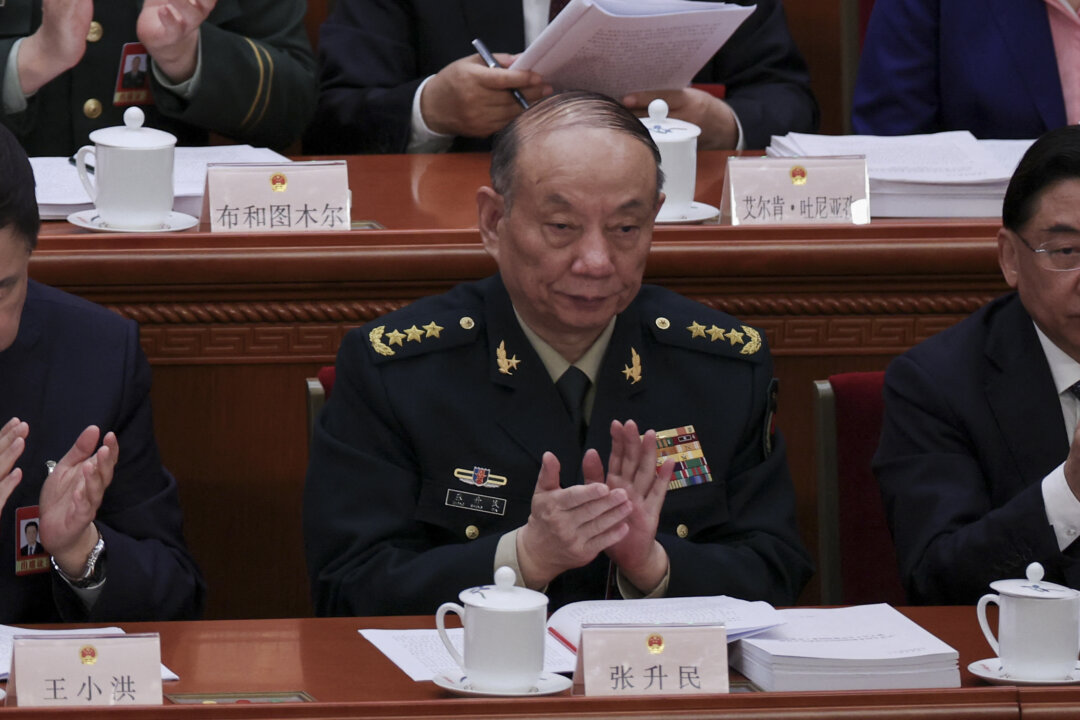
The crackdown also touched civilian figures, including former Xinjiang party chief Ma Xingrui and former diplomat Liu Jianchao. The meeting also confirmed an investigation into Liu Jianchao and his removal from the Central Committee.
Among the additional generals who lost their party memberships are Liu Qingsong, who previously served as political commissar of the Eastern Theater Command; Huang Ming, formerly commander of the Northern Theater Command; and Wang Haijiang, formerly commander of the Western Theater Command.
The appointment of Zhang Shengmin to the Politburo followed waves of purges. The last such appointment to the elite body occurred in September 1994, when Huang Ju joined during a fourth plenum to fill a vacancy left by a death.
Personnel Maneuvering and Purges Precede the 21st Party Congress
What happens next is where things get really interesting.
Su Tzu-yun, research fellow at the Taipei-based Institute for National Defense and Security Research, via The Epoch Times
“Between now and the 21st Party Congress, the developments worth watching will be the behind-the-scenes personnel maneuvering.” “There are also ongoing purges, potentially dating back ten or even 15 years: will more senior officials fall from grace as a result?” Tzu-yun said.
Scholars such as Chong Ja Ian, a non-resident scholar with Carnegie China, described the disciplinary campaign as an effort to consolidate and maintain power rather than solely address corruption.
Earlier coverage: China's Communist Party Expels 33 Officials, Shrinks CMC