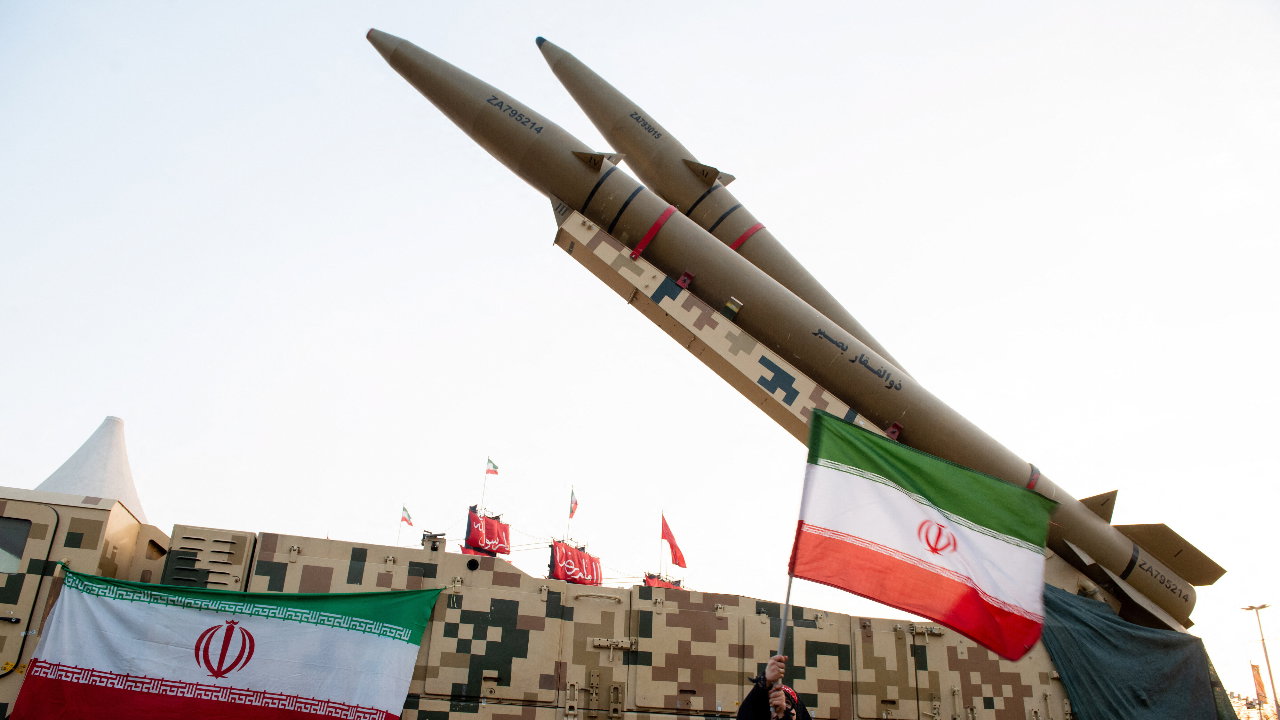
The Islamic Revolutionary Guard (IRG) reported destroying an American radar installation in Bahrain, marking the first such attack since a fragile cessation of hostilities began in September, according to Business AM.
The IRG characterized the strike as a direct retaliation for a U.S. airstrike on a telecommunications tower in Sirik.
According to the Iranian news agency Tasnim, which cited an official IRG statement, the targeted facility was a long-range early-warning system. In its declaration, the IRG issued what it termed a “serious warning to the enemy aggressor to put an end to the airstrikes and the oil smuggling in the Strait of Hormuz,” while asserting its readiness to conduct further operations if the United States continues its military activity.
The current tensions are part of a broader, persistent conflict. This latest development breaks the unofficial, fragile de-escalation period that had held since September, following the expiration of a temporary ceasefire in August.
Amir Kioumars Heydari, deputy head of the Iranian general staff, recently stated on state television that Iran’s drone and missile capabilities allow it to strike U.S. military installations well beyond the immediate region. He emphasized that Tehran has developed a strategic list of potential targets, extending to locations that American or Israeli forces might utilize in future confrontations.
Heydari explicitly threatened that the Iranian military would retaliate if foreign nations provide their territory for aerial campaigns against Iran, warning that Tehran would strike similar military installations within those host countries.
The current volatility is rooted in a diplomatic impasse that has persisted since a joint American-Israeli military campaign commenced on February 28. Attempts to reach a resolution remain stalled due to ongoing disagreements regarding the June 18 Islamabad memorandum. Both nations remain deadlocked over security protocols in the Strait of Hormuz, the enforcement of U.S. economic sanctions, and the American-led naval blockade of Iranian ports.
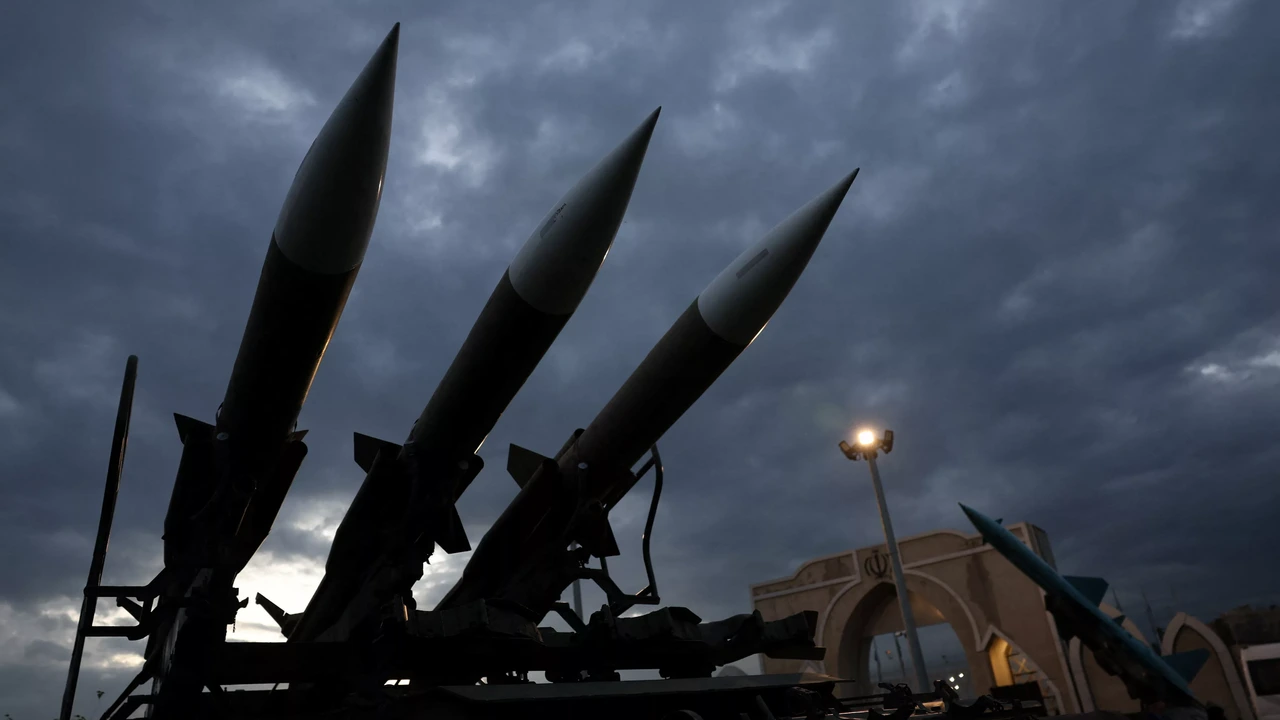
The economic impact of these maritime restrictions is significant, as Iran continues to block shipping lanes in the Strait of Hormuz in response to the U.S. naval blockade, creating consequences that ripple through the global economy.
Despite the heightened rhetoric and the destruction of the radar system, Iranian officials maintain that their previous military actions have already successfully pushed American naval vessels and troops away from the Persian Gulf and other regions far from Iran’s borders.