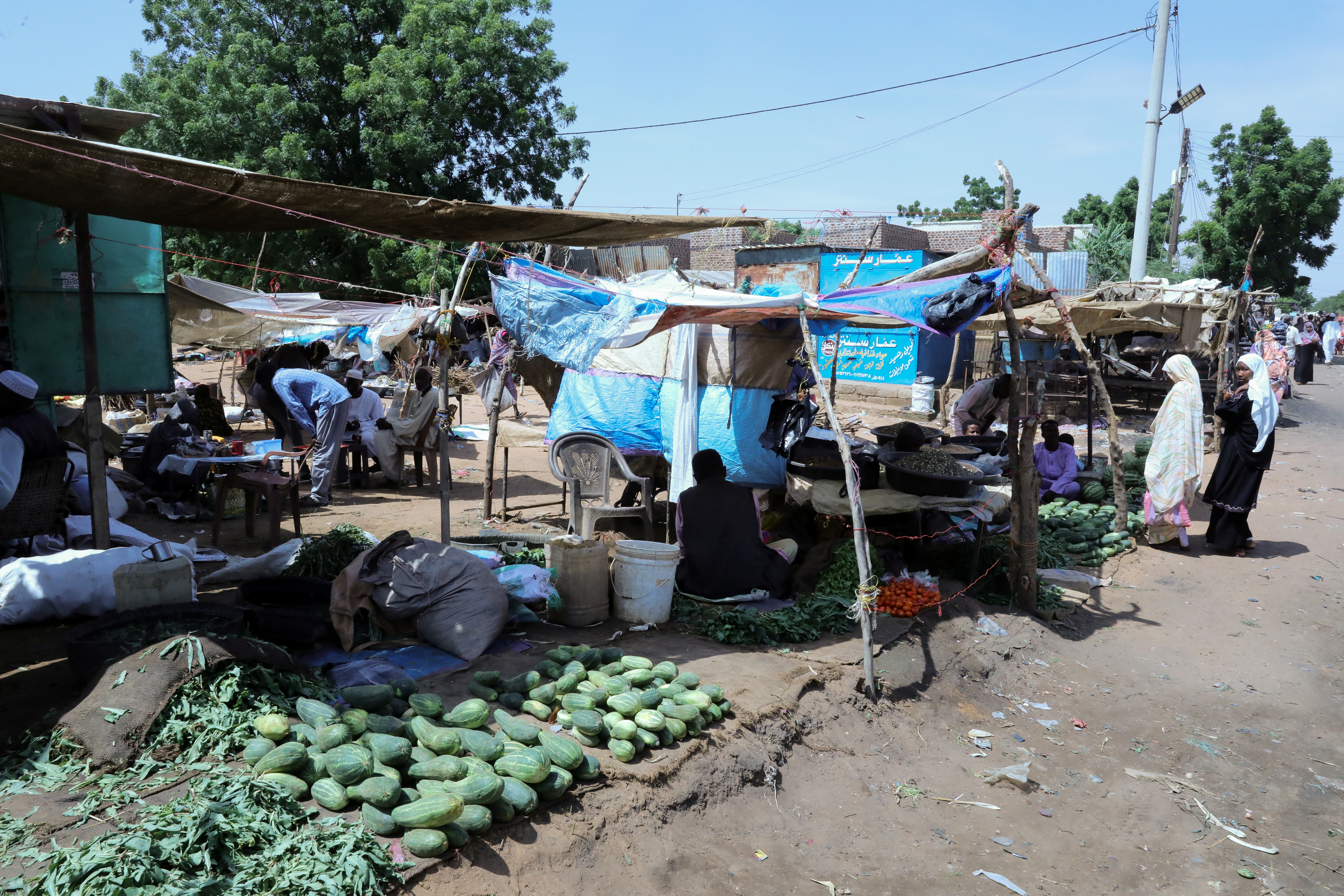
Eight civilians were killed in West Kordofan on Sunday when a drone struck a vehicle transporting villagers and market goods.
The strike hit as the vehicle traveled from the village of Fakouki in the Wad Banda locality toward the market in Ghubeish, according to two witnesses and an RSF source cited in reports.
Another witness said that an aircraft launched a missile that hit the truck directly, causing the casualties.
“The vehicle was completely burned,” one witness told AFP in a text message.
Another witness described recovering the dead from the wreckage:
We pulled eight bodies from the vehicle and buried them at the same location.
Witness, via AFP
Army and RSF Clash Over Market Route Bombings
Sunday’s vehicle strike was followed by a second drone attack later in the day that targeted a restaurant in the Khuwairat market area of Al-Adiya locality.
The Kordofan Observatory reported that the second bombardment killed six people, including members of the same family, and left several others wounded.
The local monitoring group attributed both Sunday attacks to drones operated by the Sudanese army. A source within the paramilitary Rapid Support Forces also blamed the military for the vehicle strike.
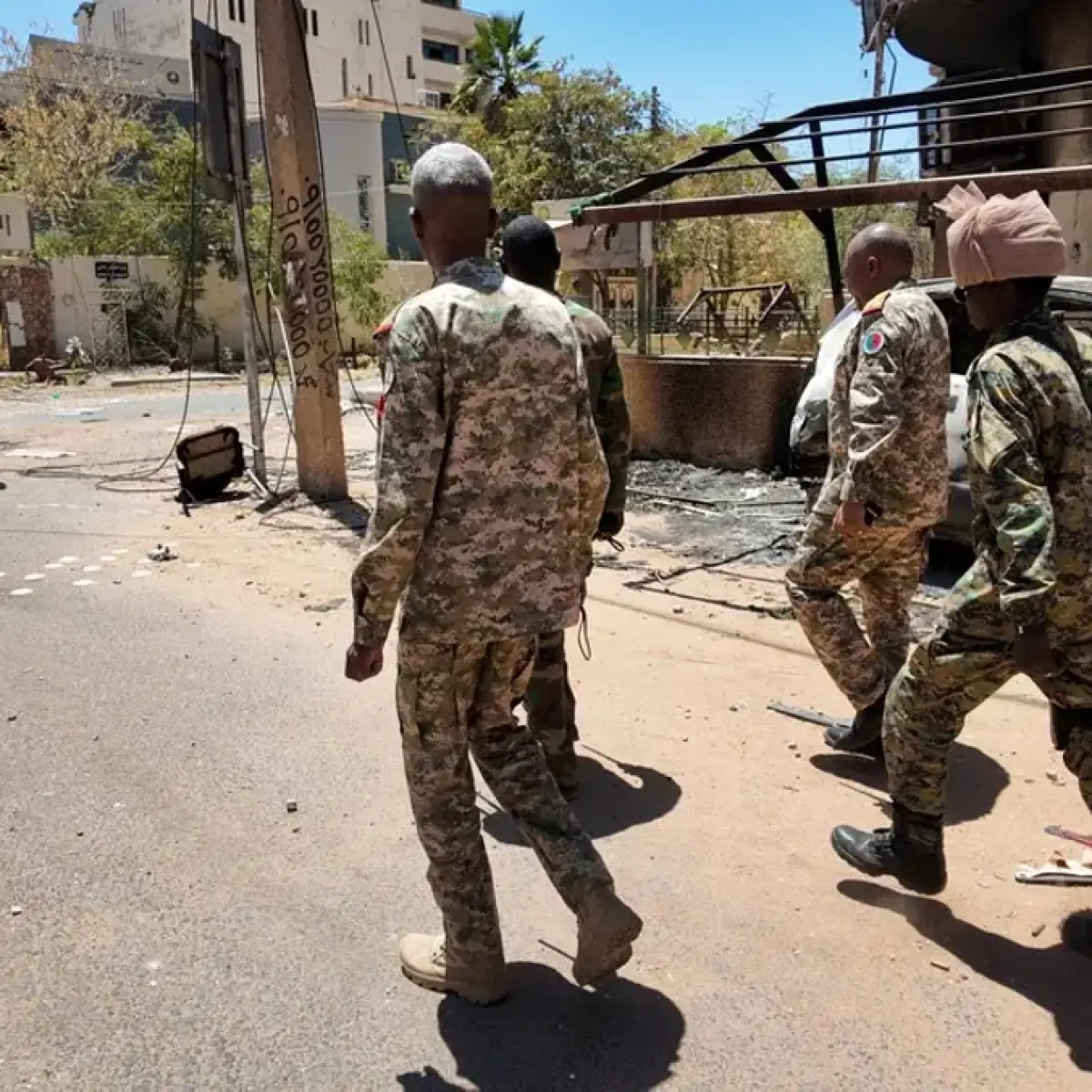
The Sudanese military denied responsibility for the casualties, maintaining that its forces do not engage non-combatants.
Military and Paramilitary Forces Fight for Transport Routes
The wider Kordofan region has turned into a major front in the war that began in April 2023 between Sudan’s military and the RSF.
The ongoing conflict has killed tens of thousands of people and uprooted millions more since fighting started.
Both factions are fighting for control of strategic transport routes connecting central Sudan with RSF-held Darfur, alongside valuable oil-producing areas.
United Nations figures show that more than 1,100 non-combatants lost their lives to drone attacks across the country in the first six months of the year.
Last week, a local medical source reported that a separate drone strike hit a passenger truck in Ghubeish, killing 11 people and wounding nine others.

A medical source at a local hospital informed AFP that the truck struck in Ghubeish last week was transporting 25 people engaged in the gum arabic trade. Reports from Yemen Online confirmed that the incident resulted in 11 deaths and left nine other people injured.
Medical Shortages Follow Ghubeish Attack
Data provided by a local medical professional revealed that 11 people died and nine sustained injuries when a drone struck a transport vehicle carrying passengers and commodities in the RSF-controlled town of Ghubeish last week.
The intensifying conflict between the military and the Rapid Support Forces has severely restricted access to essential medical care for the injured. Residents across the region are facing critical shortages of food, drinking water, fuel, and vital medicine.
Displacement and School Bombardment
The aerial bombardments have also caused widespread displacement throughout West Kordofan. In the Abu Zabad locality, five consecutive drone strikes hit the Abu Qalb area, resulting in 35 deaths according to the Emergency Lawyers Group, while local estimates placed the total death toll around 50.
The Rapid Support Forces originated as Janjaweed auxiliary militias used by the Sudanese government during the War in Darfur. The group was officially restructured as a paramilitary organization in August 2013 to combat rebel groups in regions including Darfur, South Kordofan, and the Blue Nile states. Since the civil war began in April 2023, the paramilitary has been fighting the Sudanese army for control of the country.
The Rapid Support Forces are currently engaged in combat to secure strategic transport routes that connect RSF-held Darfur with central Sudan. This struggle for territory and supply lines is a central component of the ongoing conflict between the two factions.
The bombardment forced about 7,000 residents to flee out of a local population of 10,000, leaving those who stayed behind facing severe shortages of essential goods including food, water, fuel, and medicine.