Estonian Prime Minister Kristen Michal urged the European Union on November 29, to ban Russians from taking part in sports events that he said are used by Moscow to legitimise its war against Ukraine.
European Commission President Ursula von der Leyen introduced the measures, which target Russian participation in sports, cryptocurrency platforms, and banking networks. The push for athletic restrictions forms part of the European Commission’s newly proposed 22nd sanctions package against Russia.
Flags, Symbols, and Federation Leadership Restrictions
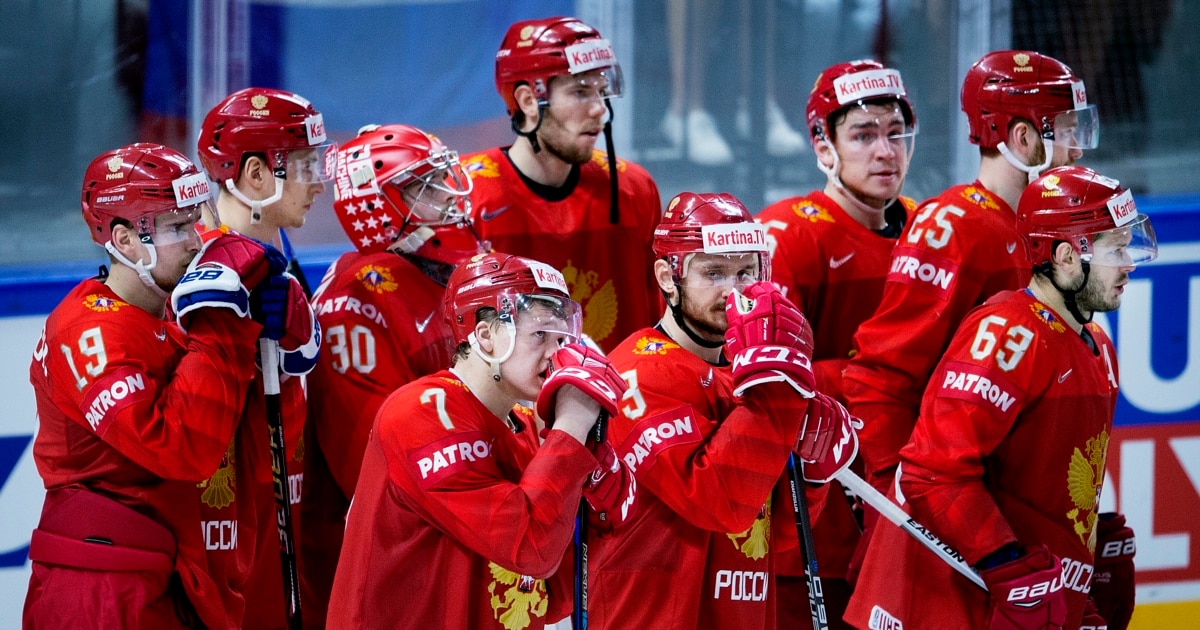
Under the fresh proposals unveiled on November 23, the European Union would ban Russian teams and individual athletes from competing under the Russian flag at events held within the bloc. The rules would prohibit displaying official Russian symbols and restrict financial flows from Russian sponsors to sports and cultural associations based in Europe.
Europe-headquartered sports federations would be prohibited from letting citizens of Russia occupy executive management posts on their governing boards.
“Sports events cannot be a forum for propaganda activities,” Leyen said.
The proposed sanctions package requires unanimous agreement from all 27 EU member states before taking effect.
Seven Countries Press for Urgent Visa Denials
Ahead of a European Council summit scheduled for November 26 and 27, the leaders of Denmark, Estonia, Finland, Latvia, Lithuania, Poland, and Sweden sent a joint letter on November 23 to von der Leyen and European Council President Antonio Costa. The seven signatories called for immediate measures to prevent non-essential travel by Russian and Belarusian nationals, specifically targeting participation in European sporting events.
An overhaul of the entire EU Visa Code is anticipated in 2027. The regional leaders argued that athletic normalization cannot wait.
“The matter is too urgent to wait until [new visa rules] enter into force,” the leaders wrote in their appeal, noting that allowing Russian athletes to compete risks showing gradual acceptance of the war.
Bulgarian Prime Minister Rumen Radev voiced reservations upon arriving at the summit. He cautioned that the bloc risks going too far by politicising sports and cultural events through extended restrictions on travel and tourism.

Athlete Reactions and the Wider Olympic Context
The European diplomatic push intersects with growing friction over international sports bodies gradually easing Russia’s isolation. In July, the International Olympic Committee provisionally lifted the suspension of the Russian Olympic Committee, leaving individual federations to decide whether Russian athletes can compete under their own flag.
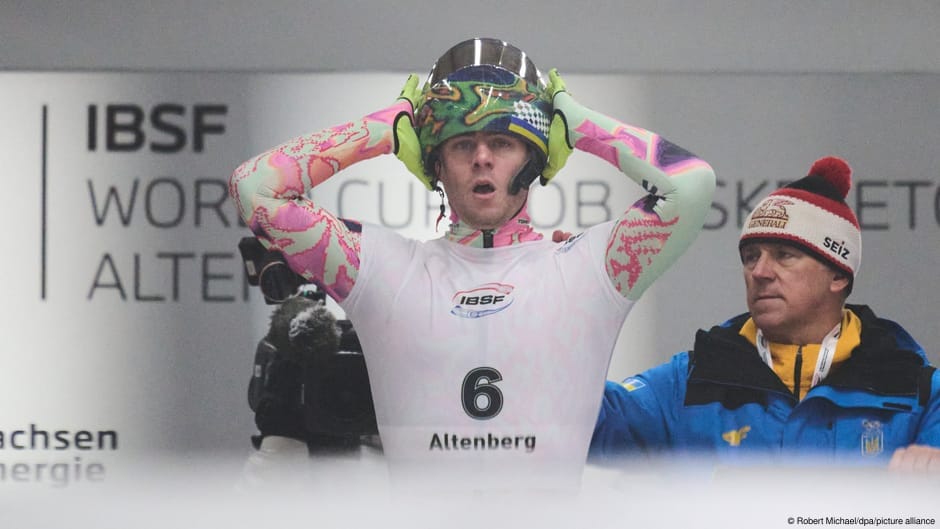
Ukrainian skeleton racer Vladyslav Heraskevych welcomed the European pushback during an interview at the International Bobsleigh and Skeleton Federation World Cup in Altenberg, Germany. Heraskevych gained international attention at the 2026 Winter Olympics in Milan-Cortina when he was disqualified over a helmet honoring Ukrainian athletes killed in the conflict.
“I'm really happy to see that people start to care about sports and they understand the value of sports as a huge platform,” Ukrainian skeleton racer Vladyslav Heraskevych said.
“We waited a long time for this backlash,” Heraskevych said.
Heraskevych criticized the reinstatement of Russia by major sports federations in swimming and gymnastics. He told DW that “it makes no sense to me” and argued that sport cannot be separated from politics while Ukrainian sports infrastructure remains targeted.
International Sports Federations and Legal Challenges
Following actions by the International Olympic Committee, several governing bodies welcomed back competitors from Russia. Competitors from Russia were subsequently allowed back by sports organizations including the International Weightlifting Federation, the International Judo Federation, World Gymnastics’ Executive Committee, and the International Fencing Federation.
A ruling by the Court of Arbitration for Sport permitted Russia to participate in the upcoming world championship in Germany, creating immediate controversy. Several nations, including defending world champion Finland, said they would refuse to play against any Russian squad.
The Court of Arbitration for Sport maintained that its decision involving the Russian Ice Hockey Federation and the International Ice Hockey Federation was reached on a strictly legal basis, noting it had no awareness of any outside circumstances affecting the independence of the panel.

Wider International Reactions and Sport Governance
The EPP Group argued through Hélder Sousa Silva that restrictions on official participation must remain until Russian troops fully withdraw from Ukraine. European Olympic Committees president Spyros Capralos told Reuters that the most important thing is for all athletes to take part, though Estonian leadership rejected this viewpoint entirely.
The proposed measures would dethrone Umar Kremlev, the head of the International Boxing Association based in Lausanne, because Switzerland automatically aligns with European Union penalties. Kremlev drew widespread attention earlier in the year by bankrolling the lavish Bahamas wedding of Donald Trump’s son.
Russian President Vladimir Putin criticised these developments from China, calling such restrictions a flagrant violation of the Olympic Charter that leads toward the destruction of Olympism as a whole.
Stricter Visa Guidelines and Financial Support
The European Commission adopted updated guidelines providing for stricter checks and the rejection of Russian passports lacking biometric features, as detailed by the Kyiv Independent. The authors of the letter pointed out that former combatants present a security threat to the region and must be denied entry to the EU, preventing them from traveling unhindered across member nations.
Debate Over Ex-Combatants and Security Risks
Beyond general athletic participation, the European Commission’s sanctions proposal incorporates an entry ban aimed at individuals who have fought in the Russian armed forces since the full-scale invasion began on February 24, 2022.
“Russian ex-combatants pose a security risk to Europe. They cannot be allowed to wander freely across our countries,” von der Leyen said. Magnus Brunner, the EU Home Affairs Commissioner, added that anyone fighting for Russia against Ukraine lacks a welcome in Europe.
Matviy Bidnyi, speaking for Ukraine, urged allies to ensure that neutral athlete status undergoes strict verification checks and called for funding cuts to sports federations that permit Russians to compete. Bidnyi also asserted that the Russian Union of Martial Arts recruits individuals for units fighting in Ukraine, a claim that highlights Kyiv's insistence that athletic reintegration poses a national security challenge.
The European Parliament’s Culture and Education Committee, alongside figures like Bogdan Andrzej Zdrojewski, said that international sports organizations must demonstrate identical resolve in keeping politics separate from aggression. Conservative political groupings in the European Parliament called for restrictions to remain fully in place until Russian military forces completely withdraw from internationally recognized Ukrainian territory.