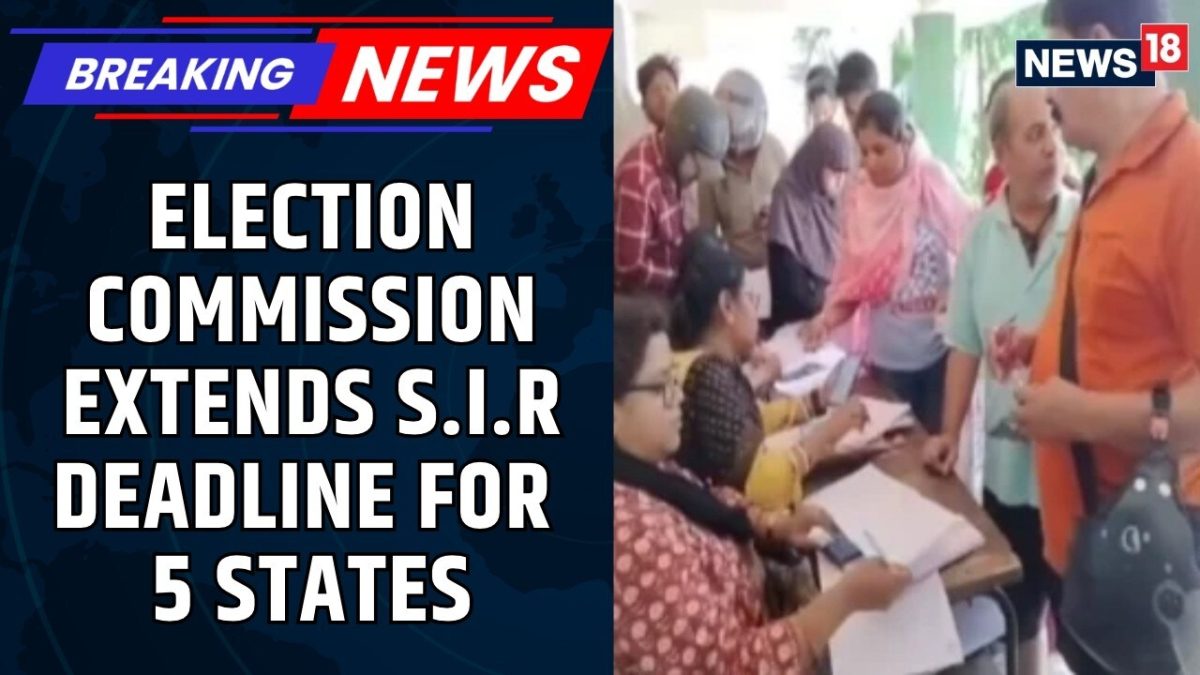
The Election Commission of India has officially revised deadlines for the Special Intensive Revision of electoral rolls across six states and the national capital, pushing final publication dates further into late autumn and winter. The Times of India reported that Haryana, Telangana, Nagaland, Andhra Pradesh, and Maharashtra will now publish their final voter lists on November 30, while Delhi authorities received an extended timeline stretching to December 22.
Revised Timelines and State-Specific Deadlines
The schedule adjustments alter the window for voters and election officials alike. According to separate letters issued by the commission, the notice and claims-and-objections phases now vary significantly by region. In Delhi, the period for filing claims and objections runs until November 25, with the notice phase and disposal of claims continuing until December 15, ultimately leading to the final December 22 publication noted by The Times of India.
Maharashtra’s claims-and-objections phase runs until November 25, while the specific period for filing applications ends earlier on November 13. Meanwhile, Nagaland’s notice phase and disposal of claims will continue until November 25. Haryana’s corresponding phase has been extended until November 20, and Telangana’s window remains open until November 26.
Election authorities have directed local officials to publicize these revised schedules and inform recognized political parties in writing.
The Scale of Revisions and Draft Roll Deletions in Delhi
The timeline adjustments unfold against a backdrop of sweeping electoral roll revisions. Mathrubhumi reported that when the Special Intensive Revision began, Delhi maintained 1.45 crore registered voters. Yet, when draft rolls were released on August 31, they featured just 97.53 lakh names, placing 47.5 lakh electors under categories such as absent, shifted, dead, or duplicate.
Pragativadi noted a figure of nearly 4.76 million names removed from the draft roll on August 31. Despite these extensive exclusions, application numbers for re-inclusion have remained relatively modest. Between August 31 and October 26, election authorities received 2.67 lakh Form 6 applications from individuals seeking inclusion in the final voter list, according to Mathrubhumi.
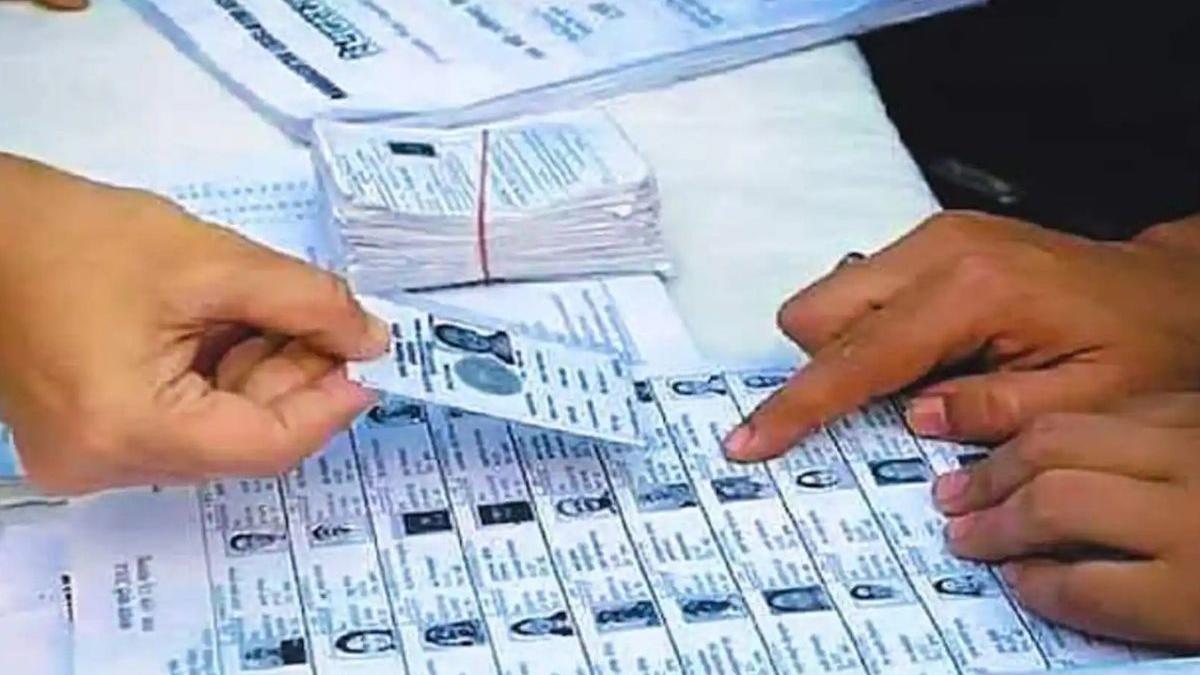
To bridge the gap, election authorities organized more than 1.49 lakh camps across Delhi at 14,947 polling stations, colleges, and universities. These drives generated 38,849 applications, which included 27,510 Form 6 applications for inclusion, 10,729 Form 8 applications for address shifts and corrections, and 610 Form 7 applications relating to objections and deletions. Special registration drives targeting young voters aged between 18 and 25 at colleges and universities recorded 1,987 applications.
Officers Resolve Millions of Flagged Voter Discrepancies
Application volumes varied widely across Delhi’s administrative districts.
From a pool of roughly 3.3 million people flagged over logical flaws or missing connections to the 2002 base voter roll, about 2.95 million instances have now been straightened out successfully. Booth Level Officers have continued door-to-door visits to identify eligible voters whose names are missing from the drafts and assist them with the paperwork before the newly extended deadlines take effect.