Anti-government protests in Albania entered their sixth day on Sunday as demonstrators clashed with riot police in Tirana. Prime Minister Edi Rama refused calls to resign, warning that the escalating unrest threatens the nation’s 2030 European Union accession path rather than his administration.
Students And Riot Police Clash At The Ministry Of Education
Demonstrations that began on October 13 as a student gathering outside the Ministry of Education over university conditions and tuition fees have expanded into an anti-government movement. Hundreds of protesters reassembled outside the ministry on Sunday, chanting Rama, resign
during a tense standoff with police.
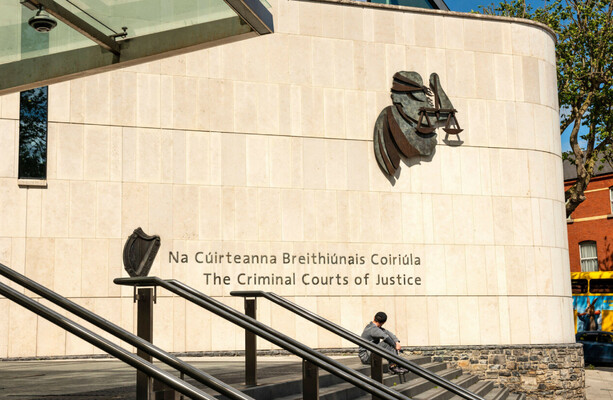
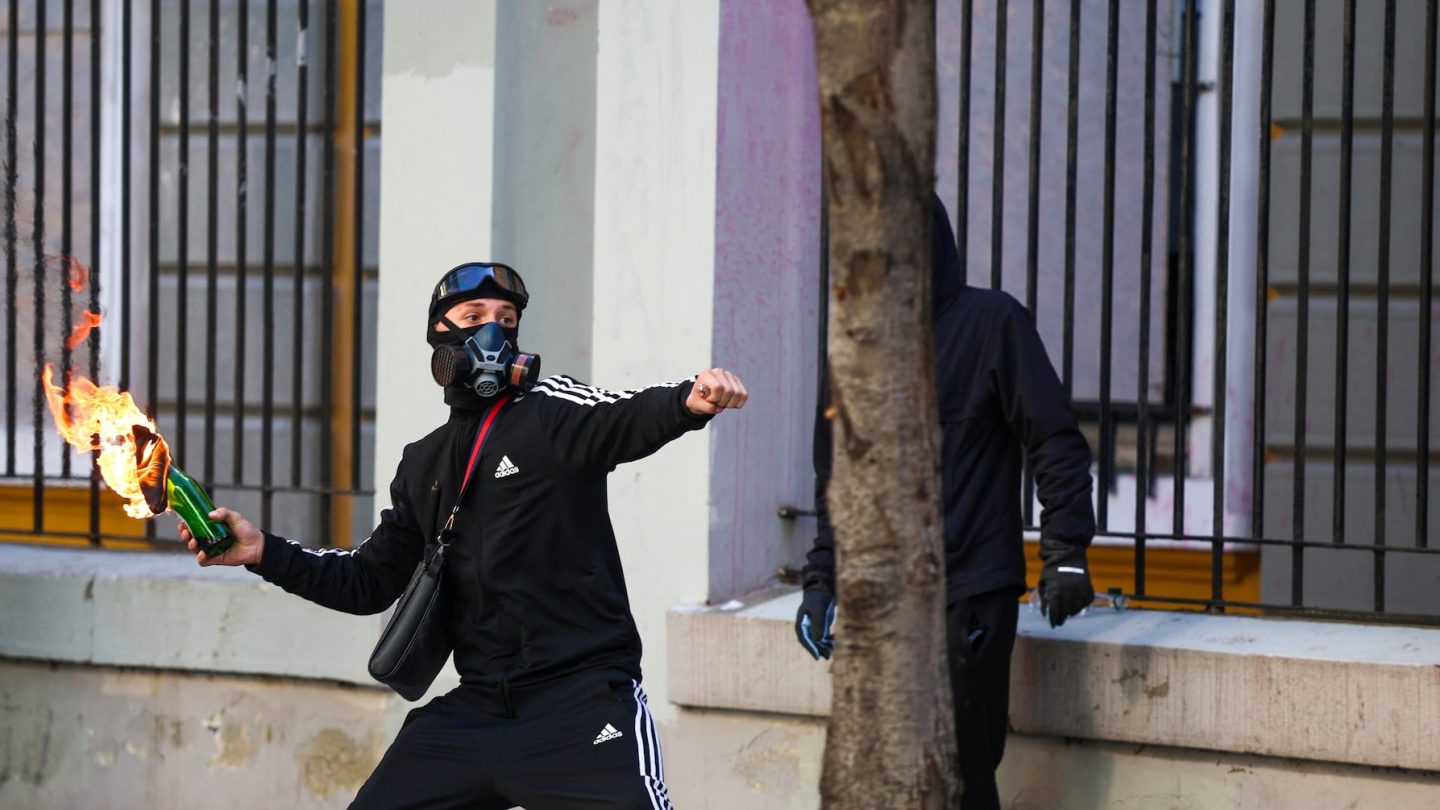
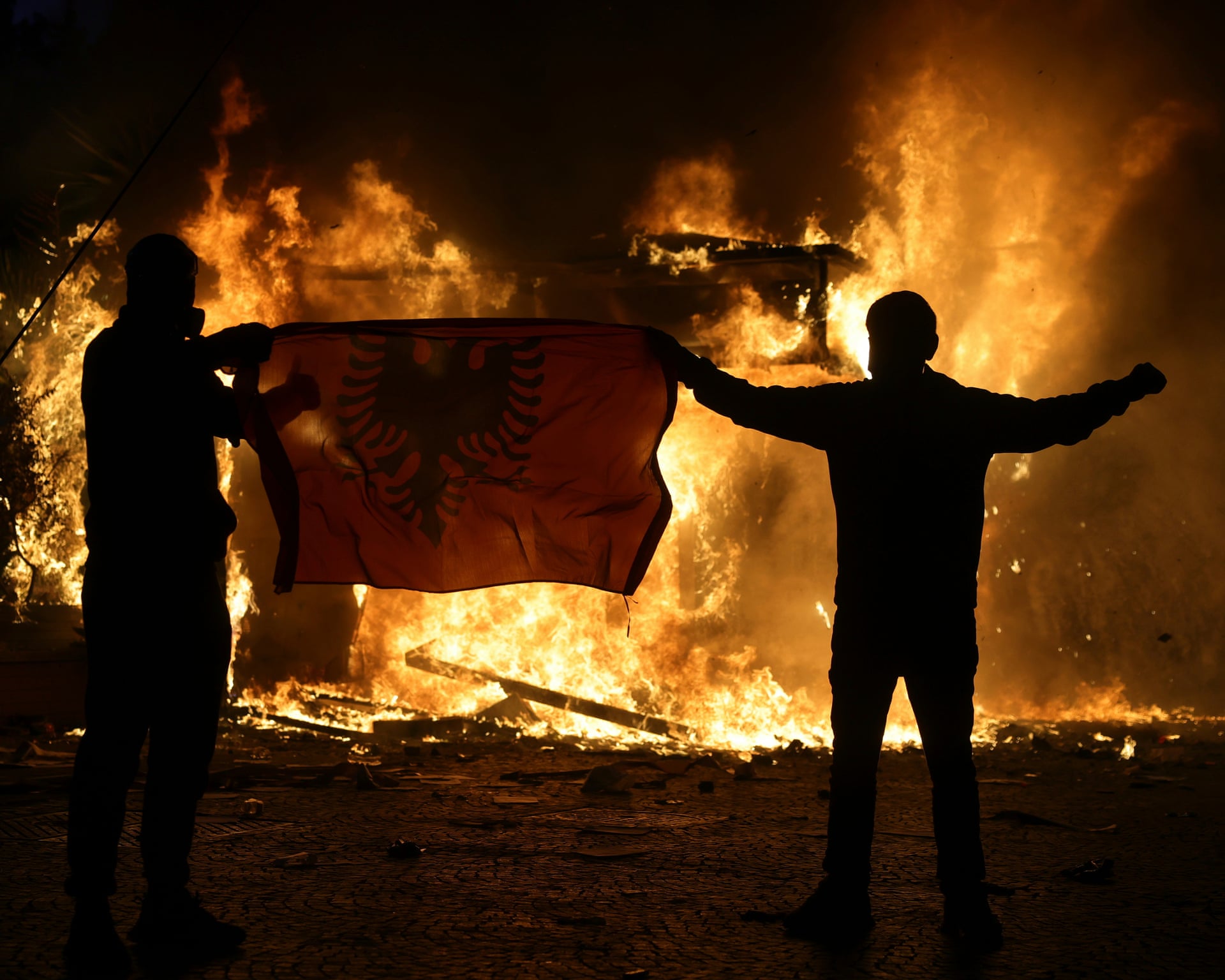
Officers in riot gear responded with tear gas, water cannons, and rubber bullets after protesters hurled stones, Molotov cocktails, fireworks, and metal objects. The unrest, which has rocked central Tirana and spread to other cities including Durres, Shkoder, Lezhe, Vlore, Korce, and Gjirokaster, has resulted in widespread property damage, including fires set at the Supreme Court building and the entrance of the Bank of Albania.
Since Tuesday, 272 people have been injured, including 169 police officers. State police director Skender Hita told a press conference that rubber bullets were used in extreme cases. Hita added that 132 officers primarily in Tirana have sustained injuries and called for those committing acts of violence to cease their illegal activities immediately, while some police officers were accused of overstepping their authority.
Prime Minister Edi Rama Rejects Resignation Demands
Prime Minister Edi Rama, who has governed since 2013 and secured a fourth term last year, firmly rejected calls to step down during a live social media address on Sunday. Rama insisted that his government is not the target of a legitimate democratic challenge.
I am not being challenged, the government is not being challenged, a government majority or a winning party in the elections is not being challenged but a path is being challenged, a mission is being challenged.
Edi Rama, Prime Minister of Albania
Rama urged citizens to consider whether they wanted their current path or the European Union, framing the demonstrations as a direct threat to the Balkan nation’s EU accession goal. He also blamed unspecified foreign interests for fueling the violence, pointing to what he described as an attempted drone attack at his office during the week.
The political turmoil forced schedule changes in international diplomacy. The Austrian chancellery confirmed that Rama cancelled a planned meeting with Austrian Chancellor Christian Stocker in Vienna that had been scheduled for Monday.
Protests Begin Over The Kushner-Backed Coastal Resort Project
While student grievances centre on education standards, living costs, and corruption, the anti-government discontent traces back months. Protests were initially sparked by a controversial luxury tourist resort project on the southern coast of Albania affiliated with Jared Kushner, son-in-law of U.S. President Donald Trump.
Environmentalists and activists have criticized the development as a venture benefiting only the elite at the expense of protected nature reserves. The current unrest followed months of largely peaceful demonstrations against the development.
Political analysts observing the crisis point to deeper systemic frustrations. Afrim Krasniqi, director of the Albanian Institute for Political Studies in Tirana, noted that young Albanians are exhausted by corruption and government arrogance, operating without a clear prognosis for what comes next.
International Reactions To The 2030 EU Accession Timeline
Albania has sought EU membership since becoming an official candidate in 2014, currently aiming for entry by 2030 alongside Montenegro. The ongoing violence and corruption allegations threaten to complicate that trajectory. The European Commission condemned the use of violence while welcoming authorities’ commitment to protect the right to protest.
U.S. lawmakers also weighed in on social media regarding the NATO ally. Representative Joe Wilson and Representative Aderholt issued warnings to Albanian authorities, stating that the Albanian people deserve freedom, rule of law, and institutional accountability, and that the nation’s young people deserve a voice in shaping their nation’s future.
With the European Commission’s annual enlargement package postponed to November 4 and accession negotiations ongoing, officials in Brussels and Tirana face mounting pressure to address the underlying economic and governance concerns driving protesters into the streets.