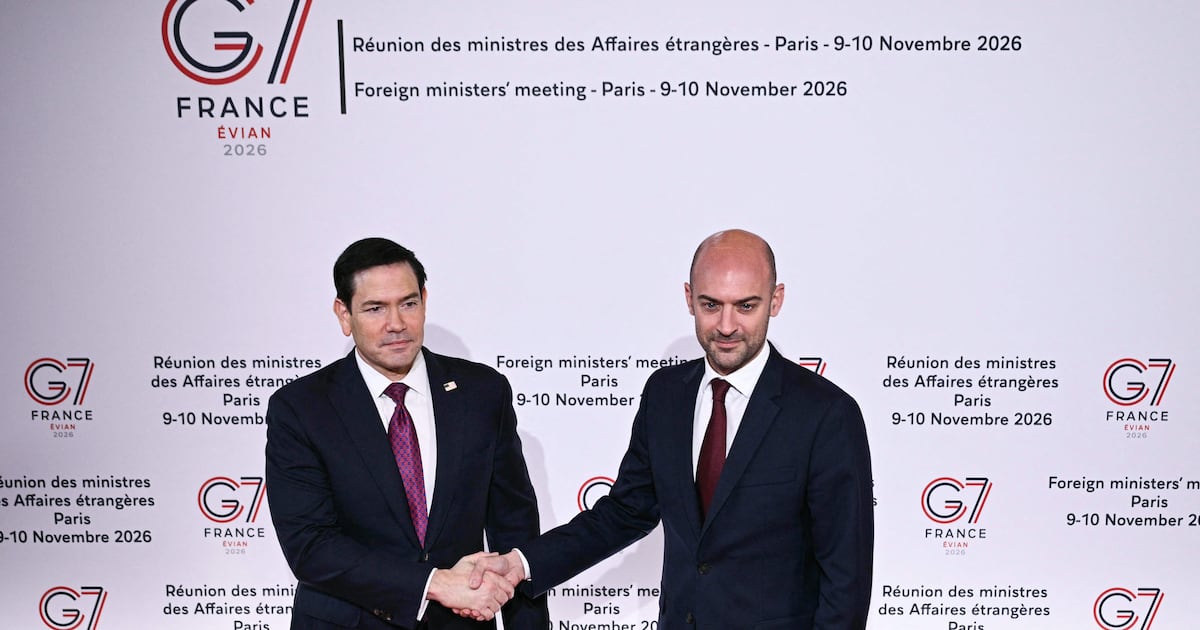
European foreign ministers gathered in Paris on Monday to press United States Secretary of State Marco Rubio for a direct role in upcoming peace negotiations, as anxiety grows over potential U.S. unilateralism in ending the war in Ukraine.
European Demands for a Seat at the Table
The two-day summit of G7 ministers, which concludes Tuesday, serves as a critical window for allies to address concerns regarding the future of European security. With U.S.-mediated talks between Russia and Ukraine scheduled for Tuesday and Wednesday in Abu Dhabi, European officials fear they are being sidelined in decisions that will shape the continent’s architecture.
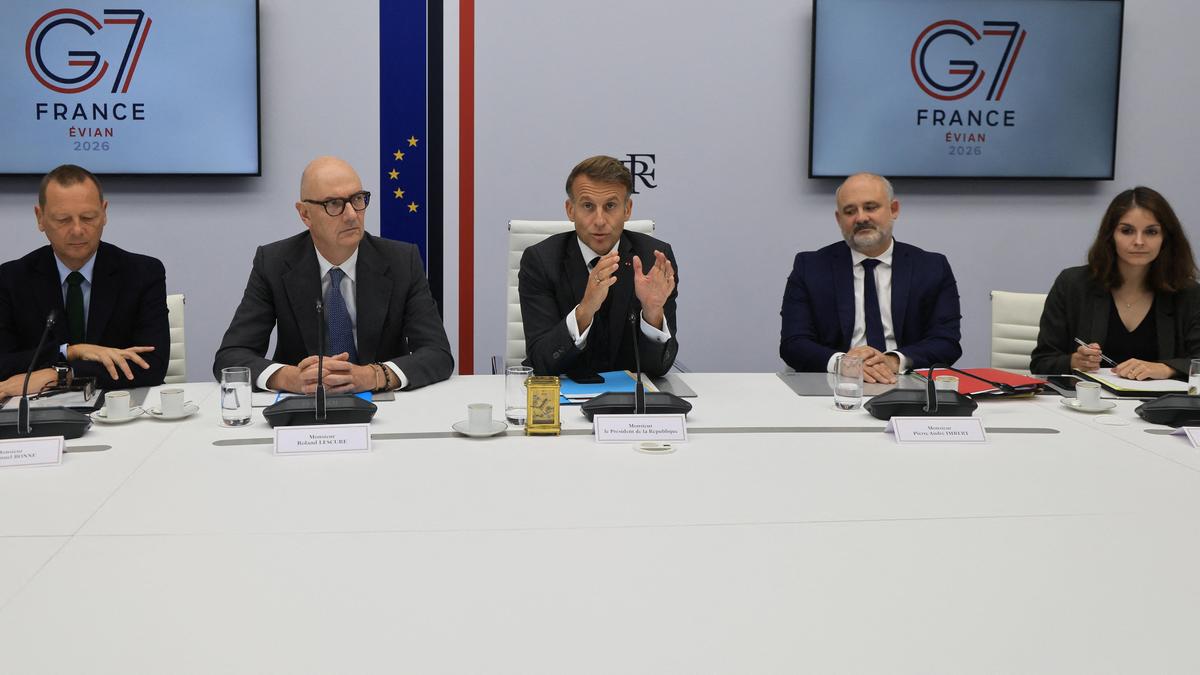
The G7 group includes Britain, Canada, France, Germany, Italy, Japan, and the United States. Following a video conference with G7 leaders, French President Emmanuel Macron was joined by French Presidential advisor Emmanuel Bonne, Economy, Finance and Industry Minister Roland Lescure, and Secretary-General of the Office of the President of the French Republic Pierre-Andre Imbert to coordinate on the upcoming diplomatic agenda.
Wadephul, who held a separate meeting with Rubio on Monday, urged Moscow to give up maximalist demands
and warned against the Abu Dhabi talks becoming a negotiation show
that lacks genuine progress. Ukrainian Foreign Minister Andrii Sybiha is also expected to join the Paris sessions, having previously asserted that no one has the right to decide our fate behind our backs
regarding the conflict.
European Commission President Ursula von der Leyen stated on X that the European Union will be present alongside partners, noting she reiterated support for a ceasefire covering food and energy infrastructure during a conversation with Ukrainian President Volodymyr Zelenskyy.
Rubio’s First Trip Following Midterm Election Losses
The summit marks Rubio’s first international travel since the U.S. midterm elections, which resulted in significant losses for President Donald Trump’s Republican Party. While allies are seeking clarity on potential shifts in American foreign policy, Rubio maintained that the administration’s core approach remains unchanged.
Addressing reporters in Paris, Rubio dismissed the idea that the electoral outcome would alter Washington’s strategy, noting that the countries he is meeting with too, have experienced divisions in government and divisions in their own system.
Rubio Criticizes Iranian Demands During Paris Diplomacy Talks
Rubio expressed frustration with the current state of negotiations, labeling Iranian demands as simply not just unacceptable
and, in some cases, outrageous and ridiculous and really not realistic.
Saudi Foreign Minister Prince Faisal bin Farhan and Egyptian Foreign Minister Badr Abdelatty are attending to explore options to de-escalate hostilities. French diplomats noted that no formal agenda was set for the minister-only dinner to allow discussions to be as free as possible.
The Paris talks also come amid protests in France, including in the capital.
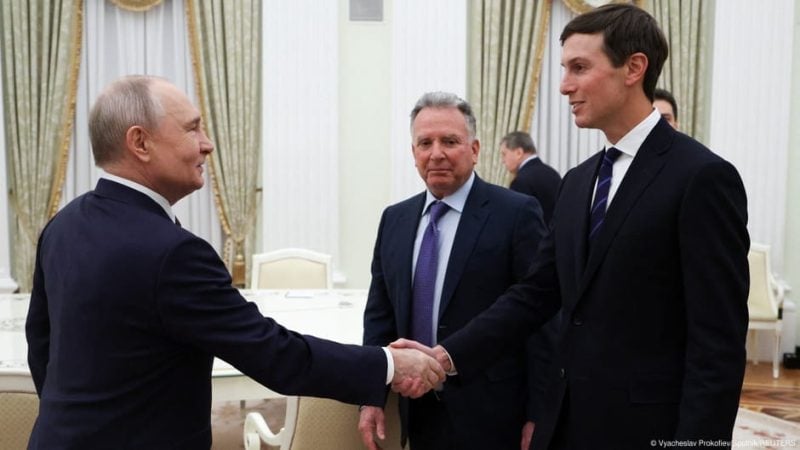
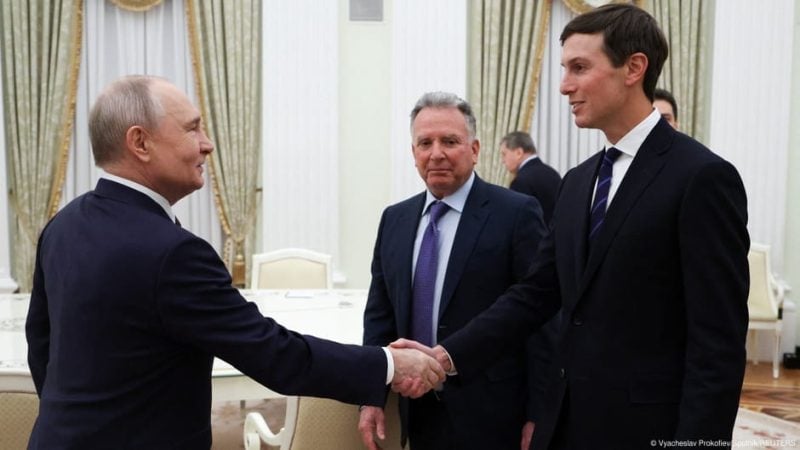
President Trump’s envoys, Steve Witkoff and Jared Kushner, are set to meet with Russian and Ukrainian officials in the United Arab Emirates to discuss potential compromises. Rubio noted that while postwar security guarantees remain a key concern, some advances have been made in defining what that architecture could look like.
However, European leaders remain wary of Trump’s rhetoric, which has previously hinted at a “very big” broader agreement with Russia that could encompass more than just the Ukraine war.

U.S. officials have warned that the administration would respond if a blocking statute
is implemented. As the G7 ministers conclude their discussions, the focus shifts to the upcoming Abu Dhabi talks, where the efficacy of the U.S.-led diplomatic track will face its next test.
French Foreign Minister Jean-Noel Barrot confirmed that European nations intend to remain actively represented in the process, ensuring their interests are not bypassed in the push for a final settlement.