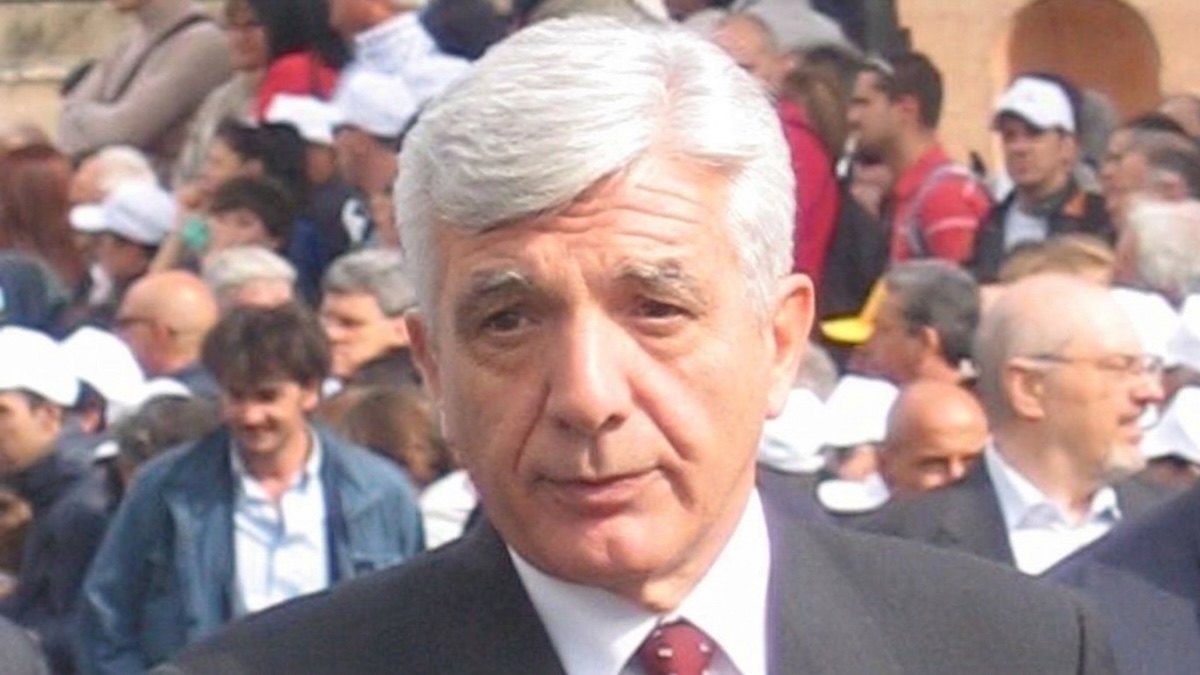
Gianni De Gennaro, the former head of Italy’s national police and intelligence services, died by suicide on Saturday at his home in the Tuscan countryside near Magliano, according to ANSA Latina. He was 78 years old.
Carabinieri officers placed an emergency call at 9:38 a.m. after family members, unable to reach him by phone since the previous night, raised the alarm, as reported by ANSA Latina.
Investigators found a firearm near the body at the property, and the Grosseto prosecutor’s office opened an inquiry into potential instigation to suicide, alongside forensic work by the RIS investigative unit. Prosecutors also analyzed surveillance footage in the vicinity of the residence and questioned staff at a nearby hotel-restaurant where the former official frequently dined.
Investigation Into the 1992 Palermo Bombing Case
The death occurred just days after public disclosures revealed that De Gennaro faced active scrutiny from prosecutors in Caltanissetta, Sicily, over alleged obstruction of justice linked to the 1992 assassination of anti-mafia judge Paolo Borsellino, the Independent en, Español reported.
Prosecutor Salvatore De Luca’s office examined whether De Gennaro and former associates attempted to prevent mafia informant Totuccio Contorno from sharing actionable intelligence regarding the Cosa Nostra attack on Via d’Amelio that killed Borsellino and five police escorts on July 19, 1992.
The judicial inquiry also examined the handling of documents connected to Contorno’s 1989 arrest in Sicily, a period when De Gennaro led the police Central Anticrime Unit, according to Canal 9 Bío Televisión.

Magistrates additionally pursued questions surrounding the disappearance of Borsellino’s red diary from his briefcase following the blast, a notebook that reportedly recorded sensitive investigative notes. This investigation into the missing diary had been ongoing for three years, with prosecutors alleging the document was once in the possession of Arnaldo La Barbera, who headed the police’s rapid response unit.
While a preliminary judge rejected a prosecution request to place De Gennaro under house arrest, prosecutors appealed that ruling, and a hearing before the appellate tribunal was scheduled for December 1, as detailed by La Tercera.
De Gennaro had been ordered to appear for questioning on that same date. The prosecutor’s office in Caltanissetta had recently conducted multiple raids as part of their broader effort to clarify the circumstances of the 1992 attack.
Career Spanning Decades in Italian Law Enforcement
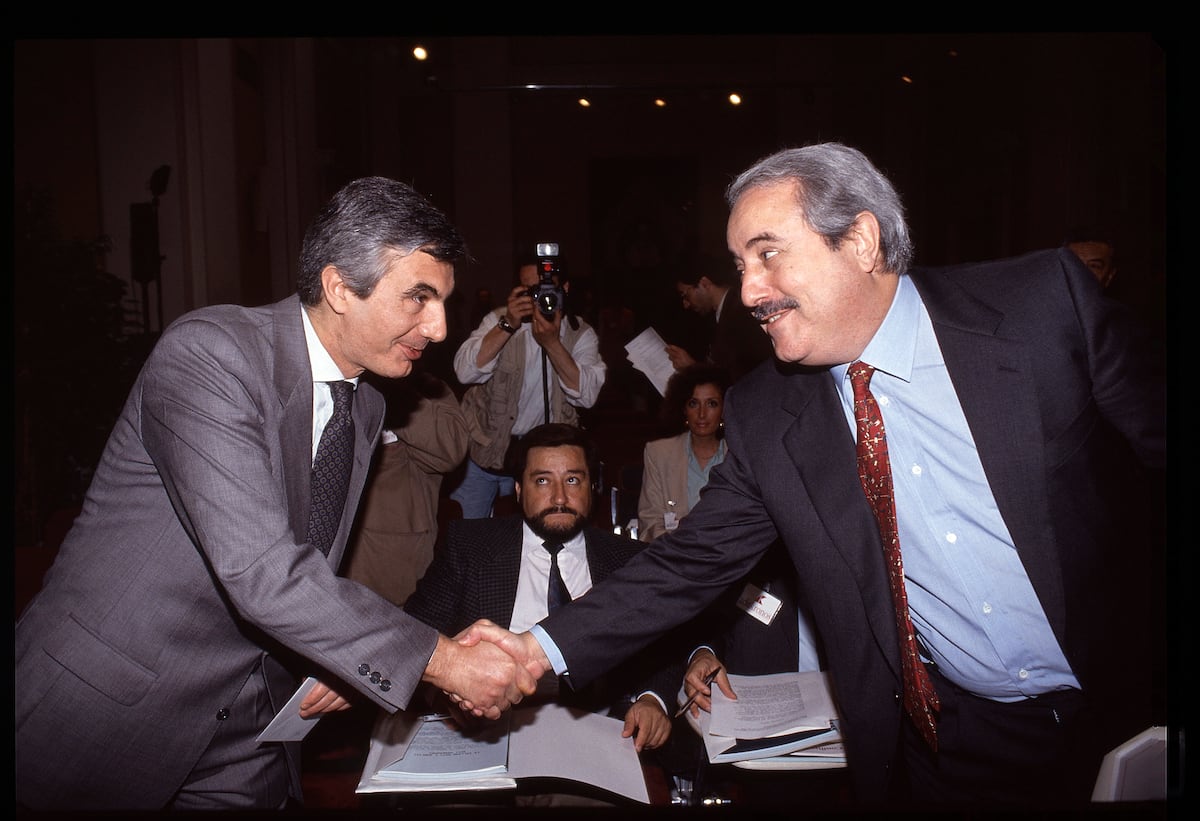
Born in Reggio Calabria in 1948, De Gennaro joined the national police in 1973 and built a prominent reputation tackling organized crime during the 1980s, working closely alongside magistrate Giovanni Falcone on major drug-trafficking probes like the Pizza Connection, BioBioChile reported.
In 1984, he oversaw the extradition from Brazil of mafia turncoat Tommaso Buscetta, whose insider testimonies reshaped anti-mafia prosecutions. Throughout his career, he became known by the nickname “The Shark” for his decisive and tough character.
De Gennaro subsequently helped establish the Investigative Directorate Against Mafia (DIA), serving as its director from 1993, and later reached the pinnacle of Italian law enforcement by serving as chief of police and director general of public security from 2000 to 2007, according to Yahoo Noticias.
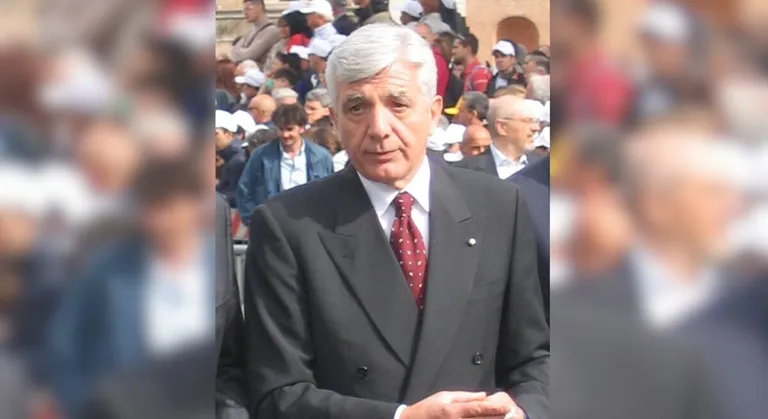
His tenure at the head of the police included commanding security operations during the 2001 G8 summit in Genoa, which drew sharp criticism over police violence. De Gennaro faced trial for allegedly inducing a senior officer to provide false testimony regarding those operations before the Supreme Court definitively acquitted him in November 2011 for lack of evidence, infobae noted.
International recognition accompanied his domestic career when the FBI awarded him its Medal of Merit in 2006, marking him as the first law enforcement representative outside the United States to receive the honor, La Tercera reported.
In later years, he coordinated state intelligence services, served as an undersecretary in Mario Monti’s government, and chaired defense contractor Finmeccanica—now named Leonardo—from 2013 to 2020. At the time of his death, he led Eurolink, the Webuild-led consortium tasked with constructing the bridge across the Strait of Messina, Canal 9 Bío Televisión stated.
Reactions Across Italian Politics
Political leaders and public officials offered contrasting responses to the former police chief’s death, balancing institutional tributes with debates over the ongoing judicial proceedings.
I am deeply shocked by the tragic passing of Gianni De Gennaro. I express my condolences and my closeness to his brother, the commander general of the Guardia di Finanza, and to all his family members at this time of grief.
Giorgia Meloni, Prime Minister of Italy, told Yahoo Noticias
Foreign Minister Antonio Tajani emphasized the need to respect judicial processes while honoring the former official’s career, Yahoo Noticias reported.
He was a servant of the State, a great policeman, who served the institutions throughout his life. Aside from the investigations that concerned him, it is up to the investigators to do their job.
Antonio Tajani, Deputy Prime Minister and Minister of Foreign Affairs, told Yahoo Noticias
Tajani added that in a free, democratic and civilized country, trials are held in courts, not outside them and that “there can be no convictions before a person is tried”. Vittorio Pisani, the current chief of police and director general of public security, also expressed deep pain on behalf of the entire state police force.
Infrastructure Minister Matteo Salvini characterized the situation as an undeserved media and judicial onslaught, while Salvatore Borsellino, brother of the slain magistrate, argued that the Caltanissetta prosecutors bore responsibility for driving De Gennaro to despair, Canal 9, Bío Televisión reported.
Antonio Di Pietro, a former Mani Pulite prosecutor, rejected the notion of a “state suicide” or that the judiciary should be criminalized, drawing parallels to other high-profile figures who chose death to avoid public humiliation. Manfredi Borsellino, the judge’s son, said that “another piece of the truth may have been lost” with De Gennaro’s passing.
Italian Prime Minister Giorgia Meloni stated she was deeply shocked by the tragic passing of the former police chief, conveying her heartfelt condolences to his brother, the commander general of the Guardia di Finanza, and his entire family during this time of grief, as reported by Cooperativa.
Infrastructure Minister Matteo Salvini described the situation as an undeserved media and judicial massacre, while Interior Minister Matteo Piantedosi said that the news left the nation stunned and dismayed, according to BioBioChile – La Red de Prensa Más Grande de Chile and Yahoo Noticias.
Debate persists over judicial accountability and history
Former Mani Pulite prosecutor Antonio Di Pietro dismissed the concept of a “state suicide,” comparing the event to the case of Raul Gardini, where strong figures chose to end their lives rather than face public humiliation and dishonor, as documented by Agenzia Nova. He further urged the public not to criminalize judicial institutions, asserting that the pursuit of justice must continue despite the tragedy.
The case continues to serve as a reminder that the memory of the 1992 era remains a central, unresolved component of the European judicial agenda, with experts insisting that transparency is essential for addressing the lingering shadows of that period.
Broader Context of the 1992 Transitions
Legal scholars and historians have said that the event underscores a persistent need to declassify documents regarding Italy’s political transition and the “years of lead.” As the country grapples with the fallout of the death, some observers point to the unresolved nature of the 1992 massacres, which remain a source of significant trauma in the Italian collective consciousness.
The ongoing debate highlights the tension between institutional memory and the demand for absolute transparency regarding the conduct of state security forces during the country’s fight against systemic corruption and the mafia.