Discussions will focus on the economic fallout of the eight-month-old Iran-U.S. conflict, rising sovereign debt, and disruptions to global energy supplies.
From October 12 to 18, the Thai capital serves as the epicenter for global economic policy as the International Monetary Fund (IMF) and the World Bank hold their annual meetings.
The agenda is dominated by the intersecting crises of the eight-month-old Iran-U.S. conflict, volatile energy markets, and the highest levels of global public debt since World War II.
Strait of Hormuz Closures Threaten Global Oil Supplies
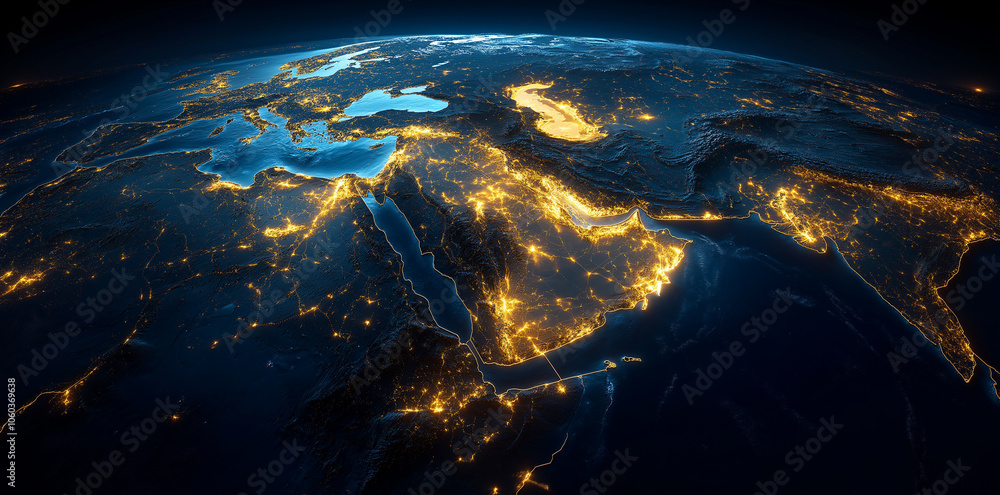
World Bank President Ajay Banga noted that while the global economy has displayed relative resilience, the closure of the Strait of Hormuz—which halted approximately 20% of global oil supplies—remains a critical pressure point.
Global growth has held up better than expected when Iran closed the Strait of Hormuz, which led to the suspension of nearly 20% of global oil supplies,
Ajay Banga told 24.
The situation remains precarious. Banga cautioned that the real challenge lies in the combination of multiple stressors: fertilizer prices, energy costs, and debt sustainability.
“The real issue is not just about the El Niño phenomenon, but the combination of factors together… What is happening to fertilizer prices? What is happening to energy costs? What is happening to debt? The combination of these factors is what creates its own challenges. And I think that will require all of us to be more cautious in what we prepare for in the coming months,” Banga told 24.
High Interest Payments Burden Government Revenue
Albayan notes that interest payments now consume more than 10% of government revenue, on average, for many of these countries. While the World Bank is currently negotiating with 30 to 40 nations regarding debt-for-development swaps, there is a noted lack of international enthusiasm for comprehensive debt relief comparable to the initiatives seen during the pandemic.

Regarding growth projections, the IMF maintains its global forecast of 3% for 2026. However, IMF Managing Director Kristalina Georgieva has warned that the economic environment is shifting. Winter is coming, Georgieva stated in her opening remarks, emphasizing the need for caution as the IMF prepares to release updated reports on global financial stability and fiscal monitoring.
The Absence of the U.S. Treasury Secretary
The meetings are marked by the notable absence of U.S. Treasury Secretary Scott Besent. While the U.S. has sent senior officials to represent its interests, his decision to skip the event—and potentially the G20 meeting—has drawn attention.
“The Iran-U.S. war, which has entered its eighth month, and its repercussions on inflation and the cost of living are expected to dominate the annual meetings of the IMF and the World Bank, which are being held outside Washington for the first time in 3 years. U.S. Treasury Secretary Scott Besent is absent from the meetings, after sending two senior officials to represent him due to,” a U.S. official told 24.
Analysts suggest this absence reflects broader tensions. Josh Lipsky of the Atlantic Council observed that the link between national security and international finance has become increasingly transparent, forcing decision-makers to operate with extreme flexibility in a world that has largely abandoned traditional economic rules.