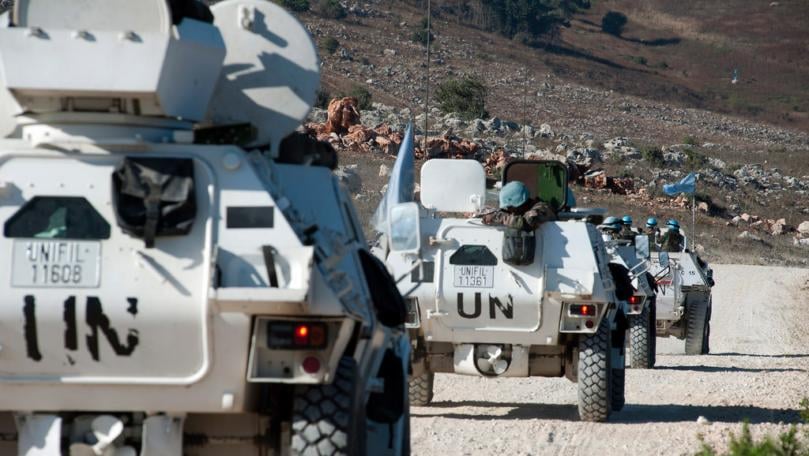
Lebanon faces a severe security vacuum ahead of the United Nations Interim Force in Lebanon withdrawing by December 31, 2026. While officials urge international extensions, local residents in southern border villages express deep anxiety over the loss of livelihoods, healthcare support, and critical civilian ties.
Lebanese Officials Press for International Continuity Before Mandate Expires
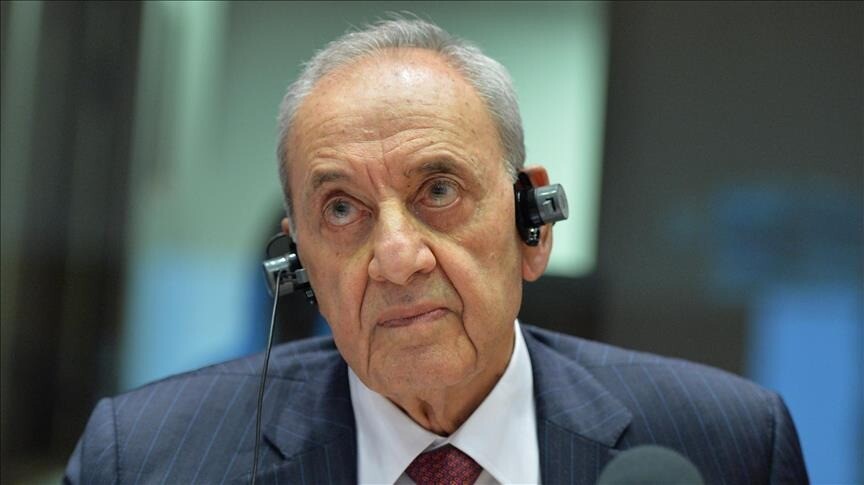
Lebanon is pushing for diplomatic extensions as the clock ticks down on the United Nations peacekeeping mission. Parliamentary Speaker Nabih Berri stated that the country remains united in its insistence that the peacekeeping force must remain in the country’s southern region, operating across an area of approximately 1,060 square kilometers between the Litani River to the north and the Blue Line to the south. During meetings in Beirut with French Foreign Minister Jean-Noël Barrot, Berri warned against a dangerous vacuum occurring before the full implementation of UN Security Council Resolution 1701, which originally established the international buffer framework in August 2006.
President Joseph Aoun echoed these concerns during high-level talks, expressing a desire to extend the mandate throughout 2027 or secure alternative formulas that prevent the Lebanese army from being placed in direct contact with Israeli forces in occupied zones. Prime Minister Nawaf Salam similarly stressed to United Nations Under-Secretary-General for Peace Operations Jean-Pierre Lacroix that Beirut needs a dedicated international mechanism to maintain monitoring, reporting, and communication channels to prevent accidental escalations. The European Union established a mission with 150 civilian and military personnel for an initial three-year duration to reinforce the Lebanese Armed Forces and internal security forces, and officials have emphasized the critical necessity of avoiding a security vacuum in the south.
Nabih Berri said that national and international efforts must unite and integrate to stop the aggression and compel Israel to implement international legitimacy resolutions, foremost among them Resolution 1701, rather than overthrowing it.
UN Options and Regional Reactions to the Pending Withdrawal
Meeting with Lebanese leadership in Beirut, Lacroix acknowledged that the organization has prepared several options for future engagement based on local consultations, though a definitive choice remains unfinalized by the Security Council.
United Nations Secretary-General António Guterres previously outlined smaller prospective missions ranging from roughly 1,980 to 5,525 personnel, designed to monitor the Blue Line and support de-escalation. Meanwhile, the European Union established a separate three-year assistance mission aimed at boosting the internal security forces and the Lebanese Armed Forces. However, regional analysts and officials emphasize that advisory missions cannot substitute for armed international peacekeepers along contested frontlines.
Economic Fallout and Daily Hardships in Frontier Villages
Beyond high-stakes diplomacy, the pullout threatens the socio-economic fabric of southern communities where peacekeepers have operated since 1978. Local economic activities tied to the international mission support a wide network of commercial institutions and sources of livelihood that extend far beyond their direct payroll.
In border towns like Ibl El Saqi, residents express profound worry over losing neighbors who turned into family members over decades of shared daily life. Nearby, local businesses such as Khaled Nahra’s 25-year-old embroidery workshop face imminent closure, as more than 10 employees who worked there for up to two decades look toward an uncertain labor market.
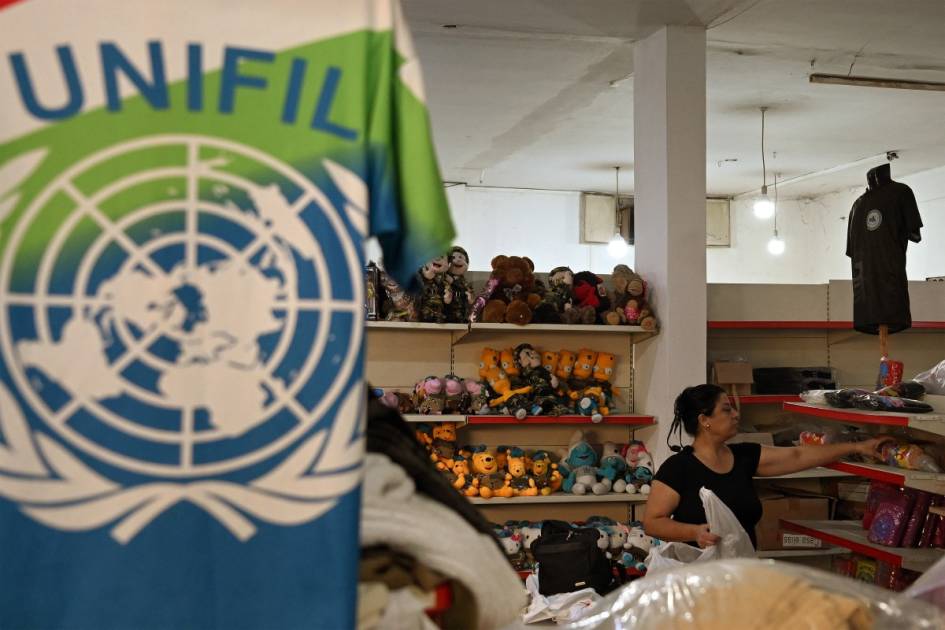
We have employees who have been working for 15 and 20 years. They are like me too. They don't know what they are going to do. Khaled
In the Christian border village of Ein Ebel, Mayor Ayyoub Khreis warned that the withdrawal threatens local families with joblessness and potential displacement, given that military checkpoints and restricted civilian movement currently make UNIFIL coordination essential for accessing agricultural lands, transporting goods, and moving safely toward Beirut.