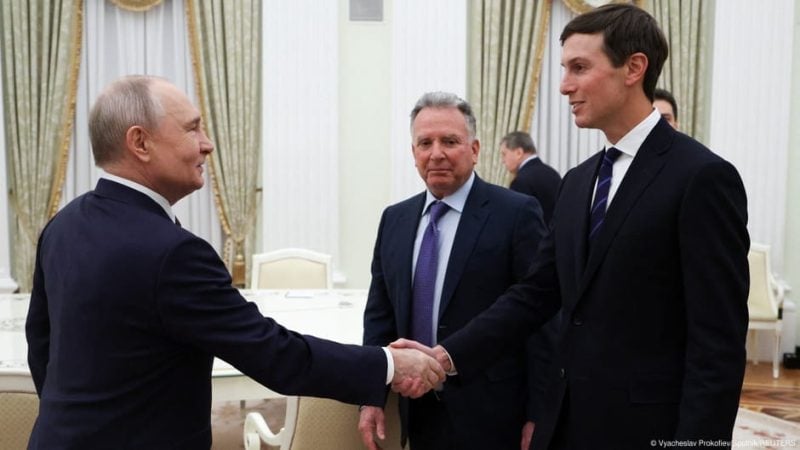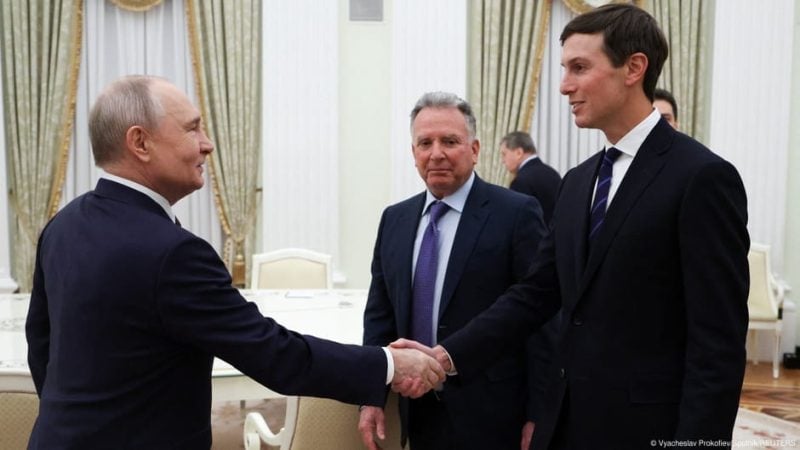
Russian, American, and Ukrainian delegations are currently engaged in trilateral talks in Abu Dhabi, where the future of the European security architecture has become the central point of contention.
The Kremlin is using the forum to revive its December 2021 ultimatums, which seek to roll back NATO’s presence in Europe and restrict the sovereign choices of nations that joined the alliance after May 27, 1997.
Russian Foreign Minister Sergey Lavrov has publicly described the demand to reach an agreement on a new European security architecture prior to resolving the war in Ukraine as “absolutely reasonable.” An unnamed member of the Russian delegation in Abu Dhabi confirmed that Moscow’s position remains consistent with its original 2021 draft treaty, which would effectively grant Russia veto power over NATO policy and restrict the ability of post-1997 members to host military forces or weaponry.
Analysts have said that this strategy aims to reassert control over former Soviet states by falsely blaming NATO expansion for the war, a narrative the Kremlin has used to justify the 2022 invasion.
Russian Demands Conflict with US Sovereignty Views
The Russian demands directly conflict with the position of US presidential special envoy Jared Kushner, who has asserted that all nations should maintain sovereignty over their own security alliances and that NATO must remain the central element of Europe’s collective defense.
While the Kremlin has long alleged that NATO expansion was a “root cause” of the conflict, analysts emphasize that neither Ukraine nor NATO took meaningful steps toward formal membership between 2008 and 2022.
Statement on Meeting Between the United States, Ukraine, and European Partners: Ahead of the upcoming trilateral discussions with Russia, representatives of the United States, Ukraine, and European partners met to continue their close coordination on efforts to end the war in…
Lithuania and other European officials have expressed opposition to any bilateral settlement between Washington and Moscow that would exclude European input on regional security architecture.
Lithuanian Foreign Minister Kęstutis Budrys said that any consideration of returning to arrangements similar to the Treaty on Conventional Armed Forces in Europe—which would grant Russia leverage to dictate force deployments—is “fundamentally unacceptable.” Budrys stressed that Lithuania must be directly involved in any negotiations, as the outcomes would primarily affect the region along NATO’s eastern border.
President Trump today advanced an important discussion with several European leaders about the need for a broader European security architecture that can help establish the conditions for lasting peace. Building on his leadership and the substantive work undertaken this week in… https://t.co/jZ9uAQnkd4
Russian Forces Suffer High Losses Despite Campaign Plans
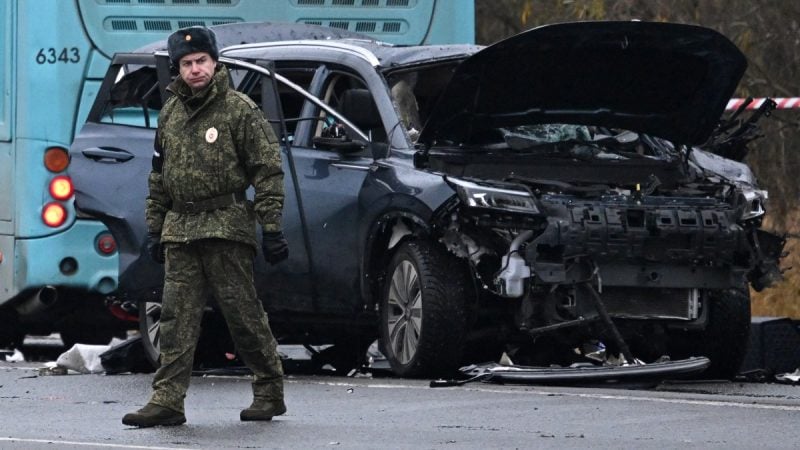
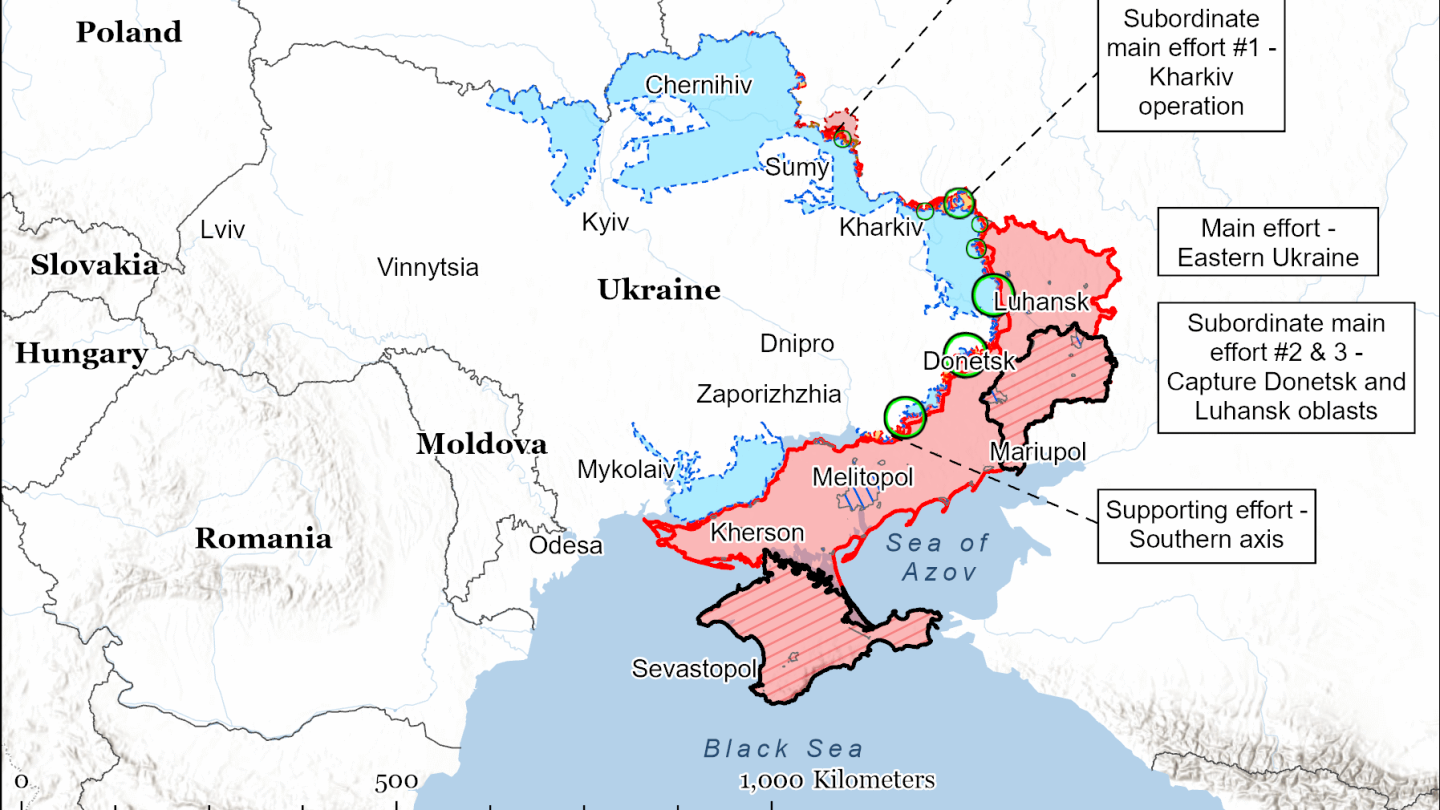
The diplomatic discussions occur as the conflict on the ground remains intense. In October 2026, Russian forces lost battlefield ground. According to the Institute for the Study of War (ISW), Russian forces suffered their highest monthly losses of the war in October.
Despite these losses, the Russian command has not abandoned its campaign plan for the “Fortress Belt.” Russian forces have conducted infiltration missions and continue to commit resources to the Dobropillya direction, though the seizure of that town would not enable sweeping advances in Donetsk Oblast.

Ukrainian forces continue to conduct an intermediate-range strike campaign against Russian military assets. On the night of November 9 to 10, the Russian Ministry of Defense reported the interception of four Ukrainian AGM-188 Rusty Dagger cruise missiles, a weapon system previously linked to strikes on a Russian defense industrial enterprise in Voronezh Oblast.
Lukashenko Meets Putin Amid Renewed Grand Bargain Talks
Diplomatic activity is not limited to the Abu Dhabi talks. On November 10, Lukashenko met with Vladimir Putin for unspecified discussions, marking their eighth meeting over the past 12 months.
President Trump is determined to bring an end to this horrible war, which has caused enormous loss of life, destruction, and suffering. We are working hard to find a negotiated solution that can deliver lasting peace and create the conditions for a sovereign, secure, and…
While the prospect of a “grand bargain” between the Kremlin and the White House has been revived, analysts caution that no bilateral settlement can override Europe’s collective ability to block new security systems.
The physical reality of NATO’s current deployment—including 1,000 British soldiers in Estonia, 2,000 Canadians in Latvia, and 2,000 Germans in Lithuania—means that a full withdrawal of Western forces is not within the unilateral gift of the United States. It is not yet known if the delegations in Abu Dhabi will reach a consensus or which specific security guarantees the parties will ultimately refuse to concede.
“and it's going to involve more than Ukraine” the American president said regarding the trilateral peace talks.
Statement on Meeting Between the United States, Ukraine, and European Partners: Ahead of the upcoming trilateral discussions with Russia, representatives of the United States, Ukraine, and European partners met to continue their close coordination on efforts to end the war in…