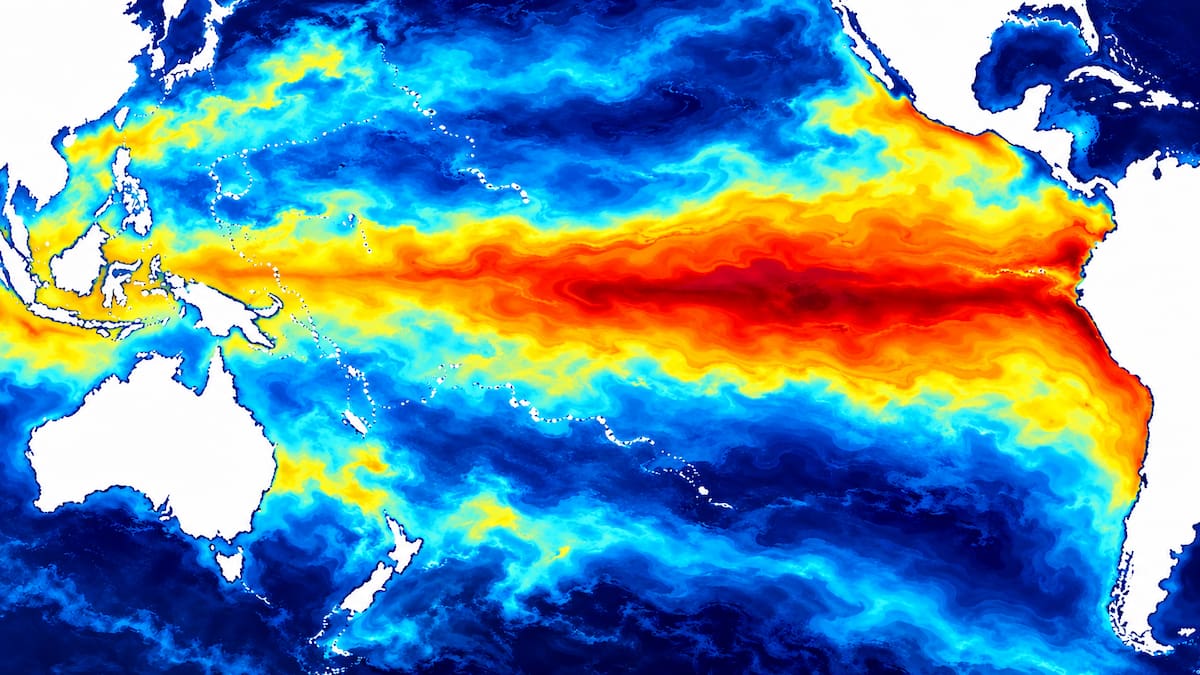
This high-water event, attributed to the El Niño phenomenon, has forced hundreds to abandon their homes and triggered emergency protocols across multiple provinces.
In the city of Santa Fe, the municipal government is managing an escalating humanitarian situation. According to official figures, 269 people from 84 families were housed in two Assistance Centers as of Monday, November 16. The city has established modular housing units in areas such as Alto Verde, Colastiné Sur, and Colastiné Norte to accommodate those displaced by the encroaching water.
The impact is not limited to the capital. In Arroyo Leyes, located 11 kilometers from the city, the local Committee of Emergency declared a red alert. Water ingress has affected local infrastructure, causing power outages for approximately 20 families and complicating transit on provincial routes.
The current rise is described as sustained. Data from the Prefectura Naval Argentina shows the river climbed from 3.74 meters on October 19 to 5.83 meters by mid-November.
Engineering experts from the Instituto Nacional del Agua (INA), including Juan Borús, have said that the fluvial valley upstream of Paraná and Santa Fe has reached saturation, effectively turning the region into a large natural reservoir. This saturation means that any further rainfall will likely slow the river’s eventual recession rather than allowing for a quick return to normal levels.
The Bolsa de Comercio de Rosario (BCR) said 2026 water levels are higher than in 2014 and 2018, ending the historic low-water period of 2020-2021.

While the high water levels have ended the navigation constraints of previous drought years, they have not fully resolved logistical challenges for the region’s ports. The BCR report clarified that even with the river at its highest point in nearly three decades, large-scale commercial vessels continue to depart Gran Rosario terminals with partial loads, requiring completion at deep-water ports.
The Asociación Civil Aguas del Paraná is currently working to assist families in the El Mangrullo neighborhood, focusing on health concerns and the increased presence of mosquitoes. As the surge moves south, authorities remain vigilant, with the INA projecting that the river may remain at high levels for an extended period, depending on future precipitation patterns in Brazil and Paraguay.
Mayor Poletti issued a firm message regarding the management of the emergency, urging against the spread of inaccurate information. “We must not cause alarm; let's not play old politics because these are very difficult times for the citizens,” he said, while confirming that the city’s pumping stations are under constant coordination to protect the residents living within the city’s flood defense rings.