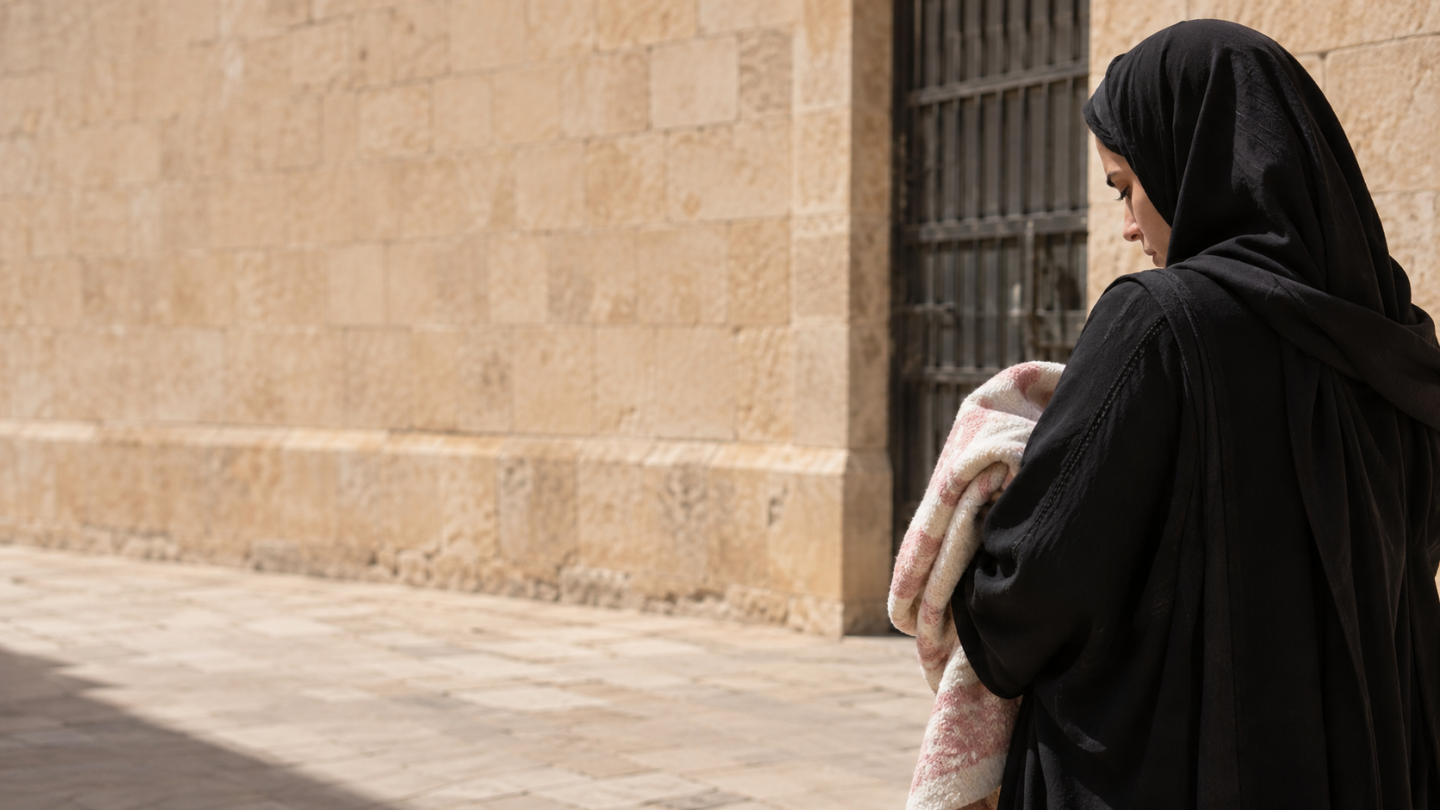
A Saudi court has sentenced Esther Wanja Muthoni, a 40-year-old domestic worker from Kenya, to 100 lashes and a year of banishment following the birth of her son outside of marriage.
The Court Ruling and Legal Basis in Riyadh
Ms. Muthoni gave birth in August 2025 in staff housing provided by her employer, Maharah Human Resources. A supervisor discovered her and took her to a hospital, where police officers detained her for questioning about the pregnancy. According to statements given to the police, Ms. Muthoni stated that the father, a man named Mohamud, had left the country. The court judgment does not suggest that the state pursued the father.
Court records indicate that a three-judge panel convened for several sessions throughout the previous summer at a Riyadh criminal court, according to court documents. Ms. Muthoni had a court translator but no lawyer. Relying on a traditional reading of Islamic law that calls for 100 lashes drawn from a Quranic verse, the judges convicted her in October of unlawful sexual relations.
Under Saudi law, individuals receiving this punishment are seated and clothed while lashed across the body with a bamboo stick. Ms. Muthoni stated that she did not appeal the sentence because she viewed it as the only way to return home to her children.
Vulnerabilities Under the Kafala Sponsorship Framework
Foreign domestic workers enter Saudi Arabia through the kafala sponsorship system, which ties a worker’s legal residency to a single employer and grants that employer significant control over daily life. Domestic workers are excluded from standard labor regulations, meaning they lack fixed working hours, weekly rest days, overtime pay, and independent complaint mechanisms.
After being released from initial police questioning, Ms. Muthoni was refused entry from staff accommodation and a shelter, receiving no assistance from the Kenyan Embassy. She began living at a petrol station that served as a meeting place for migrant mothers seeking deportation. Maharah later provided temporary housing, and the Kenyan Embassy issued departure documents, but she could not leave the country while the legal case remained pending.
Reforms and Human Rights Criticisms
The case highlights tensions between Saudi Arabia’s recent legal modernization and courtroom practice. Crown Prince Mohammed bin Salman’s Vision 2030 agenda has promoted the country as an open society, and the state enacted its first Personal Status Law in 2022 to regulate marriage, divorce, custody, and inheritance.
In 2020, the government announced major curbs to flogging, which state media described as a historic decision. However, that policy left an exception for cases where Islamic law prescribes flogging, including sex outside marriage.
Esther Wanja Muthoni, who has five children, belongs to the large population of East African housekeepers and nannies hired to work in Saudi Arabia. Yet a prior New York Times investigation demonstrated that pregnant women in this situation frequently find themselves caught in a complicated administrative labyrinth.
Not only that, but they are exposed to violence. The institutional reality of Saudi Arabia’s courts makes meaningful protection almost impossible. The Ministry of Justice has introduced digital filing, training courses, and alternative dispute resolution centers. In cases involving women’s morality, a judge’s personal worldview can outweigh evidence.
Questions Surrounding the Sentence and Repatriation
Following the ruling issued last month, uncertainty remains regarding the execution of the punishment and Ms. Muthoni’s return to Kenya. The court also ordered a year of banishment, which typically involves relocation to another Saudi city if no male relatives are present to accompany the individual.
When a court ruling fails to designate a specific location, Saudi regulations generally dictate that the individual be transferred to another city within the kingdom, though tribunals retain the authority to reassess such decrees when female defendants lack a male chaperone.