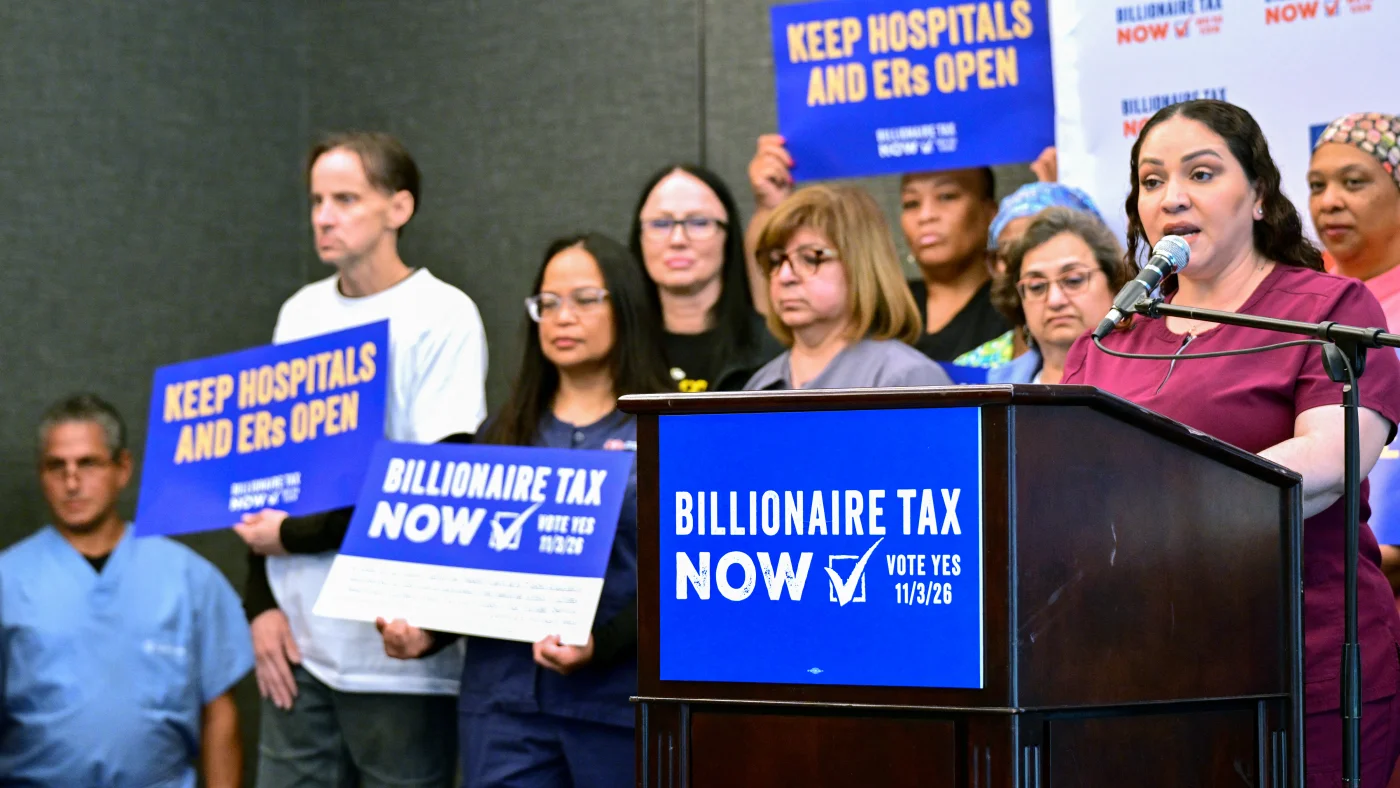
California voters rejected Proposition 40 on November 10, 2026, defeating a proposed one-time 5% wealth tax on state residents with a net worth above $1 billion according to Associated Press reporting.
California voters rejected Proposition 40, turning down a first-of-its-kind 5% tax on state residents worth over $1 billion after a campaign defined by massive spending from Silicon Valley tech figures and fierce debate over healthcare funding and wealth flight.
Sergey Brin and Silicon Valley Outspent Labor Unions to Defeat Proposition 40
The campaign over Proposition 40 shattered spending records for a tax-related ballot measure in California. Opponents of the tax raised about ten times what supporters managed according to the Independent. Tech industry leaders praised Google co-founder Sergey Brin on social media for his instrumental role in defeating the measure as reported by the Guardian.
We dodged a bullet on this asset seizure tax. With any luck Prop 42 will pass. Builders of tech in California had a good day yesterday: we want abundance and asset seizure is the one guaranteed way to kill the golden goose. Huge thanks to Sergey Brin here. https://t.co/HIznVbS14W
Brin contributed at least $132m to the fight, while former Google CEO Eric Schmidt gave more than $48m, the Guardian noted. All told, Silicon Valley elite raised funds to sink the tax according to reporting. In contrast, the pro-Prop 40 camp sponsored by the union SEIU-United Healthcare Workers West raised just more than $31m the Guardian stated.
More than $400 million had been spent on the three intertwined ballot measures, with more than 90% spent opposing the billionaire tax, according to fundraising disclosures filed with the secretary of state’s office.
God bless Sergey Brin pic.twitter.com/39HIOXFBmN
Opponents of the billionaire tax put together more than $300 million to defeat it, which made it the most expensive campaign against a state ballot measure since at least 1999, according to the San Francisco Chronicle cited in reporting. UC Berkeley business and public policy professor Francesco Trebbi noted that the colossal funding of political campaigns has broken records nationwide during this midterm cycle.
Stanford University economics Joshua Rauh, a prominent critic of the proposition, pointed out that California does not generate substantial ongoing revenue from the billionaire class anyway. The state is estimated to take in about $3 billion a year from that group, representing about 1% of the total amount of revenue brought in between 2025 and 2026.
Hero.
A Stanford University study indicated that billionaires who had already left the state, including Sergey Brin, Larry Page, and Peter Thiel, had removed about $540 billion, or 30%, of California’s billionaire wealth from potential taxation. That same study concluded that Proposition 40 might have generated only about $30 billion instead of the $100 billion estimated by its proponents.
The money spent by the billionaires was critical,
Emmanuel Saez, key architect of the tax policy, via TechCrunch
Why Governor Gavin Newsom and Traditional Allies Opposed the Wealth Tax
Proposition 40 drew opposition from prominent political figures including California Governor Gavin Newsom the Guardian reported. Newsom argued that dedicating almost all of the revenue exclusively to healthcare left nothing for housing, childcare, public safety, or public universities according to Fox Business. Newsom expressed a preference for taxing billionaires at the federal level rather than through a state-only mechanism.

Opponents argued the levy would encourage wealthy residents to flee the state, damaging its long-term fiscal stability, the Los Angeles Times noted. Alongside Newsom, professional organizations and traditional Democratic allies like Planned Parenthood, the California Medical Association, the California Teachers Association, the California Children’s Hospital Association, and the California Professional Firefighters joined the coalition opposing the proposition, CBS News reported.
How Proposition 42 Locked in Constitutional Defeat for Wealth Taxes
Alongside the defeat of Proposition 40, voters also passed Proposition 42, an initiative placed on the ballot by Brin and a cohort of the state’s ultra-rich, the Guardian reported. Proposition 42 bars the state from enacting future taxes on many types of wealth, effectively serving as a constitutional safeguard against wealth taxes Mother Jones explained.
However, supporters faced compounding difficulties as the competing Proposition 42 led in the vote counts, HuffPost noted. With 100% of precincts reporting results as of Monday evening following the election, 52.8% of Californians who voted on the measure—representing 5,909,899 people—voted against it according to California’s secretary of state.
What Healthcare Workers and Lawmakers Plan Next for 2028
Following the defeat, union leaders made clear that the fight over taxing ultra-wealthy residents is far from finished. Suzanne Jimenez, chief of staff for the SEIU-UHW, stated that healthcare workers will pursue every available avenue if Sacramento fails to deliver a real solution according to the Guardian.
up to and including returning to the ballot in 2028 with a billionaire tax.
Suzanne Jimenez, chief of staff for the SEIU-UHW, via The Guardian
At the federal level, lawmakers who supported the California measure such as Senator Bernie Sanders and Representative Ro Khanna continue to push for a federal 5% tax on American billionaires, the Los Angeles Times reported. Khanna, who represents Silicon Valley, argued that the wealth-flight threat was total propaganda, asserting that more wealth will only continue to accumulate in Silicon Valley during the artificial intelligence revolution.