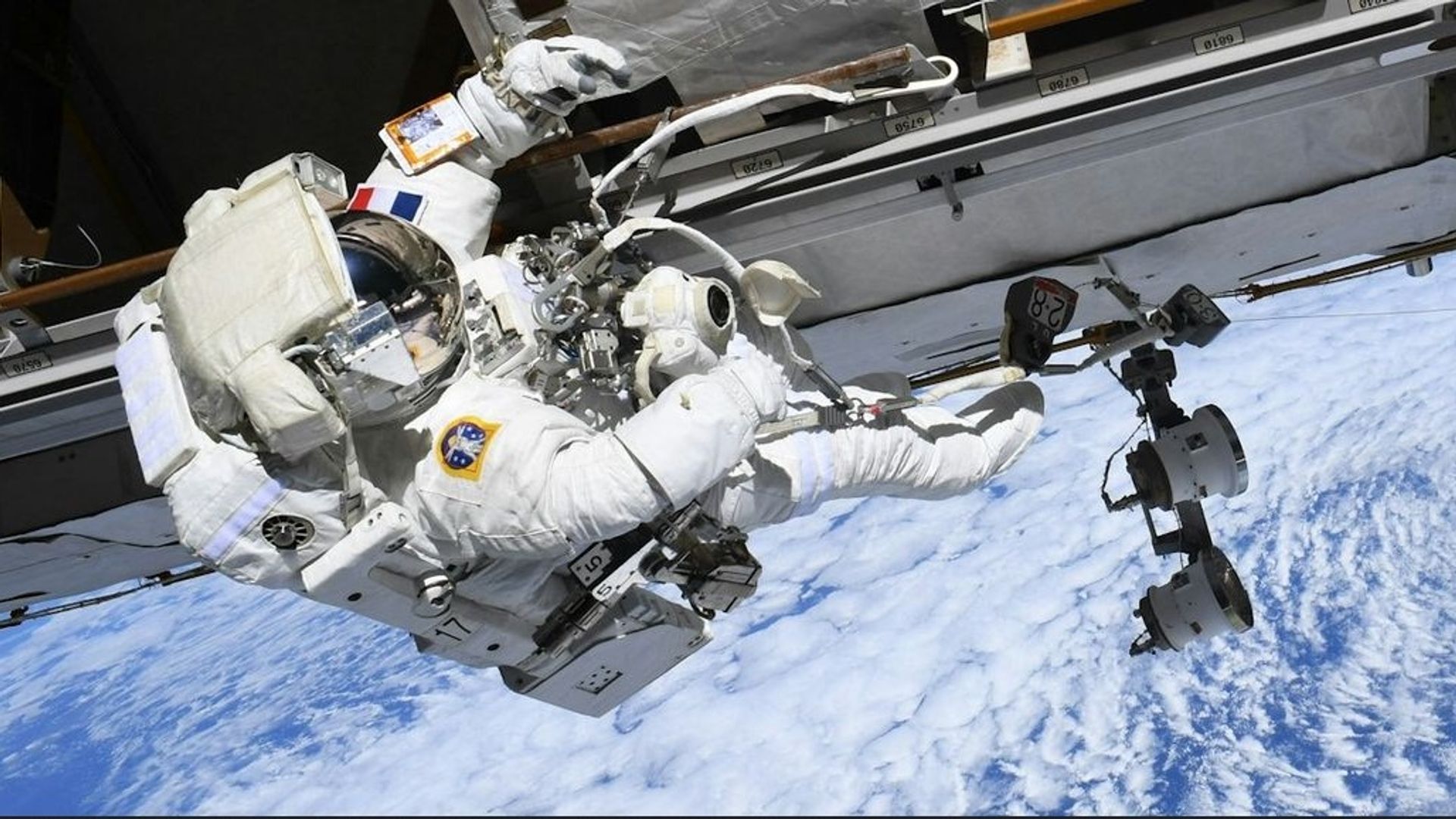
European astronaut Sophie Adenot returned to Earth on October 8, 2026, after completing a 237-day mission aboard the International Space Station, warning that humanity is “not ready to go to Mars” due to unaddressed medical hurdles.
Research conducted over several years aboard the orbital outpost demonstrates that extended spaceflight alters multiple immune functions both during flight and following return to the surface. Microgravity works alongside psychological stress, isolation, and disrupted circadian rhythms to weaken the body’s natural defenses.
These combined stressors affect immune cell distribution, cytokine production, and the performance of T lymphocytes and Natural Killer cells responsible for antiviral surveillance. When these regulatory mechanisms falter, persistent infections hidden within the body find an opening to reawaken.
Human Herpesviridae, including Epstein-Barr virus, cytomegalovirus, varicella-zoster virus, and herpes simplex virus type 1, persist in a dormant state after initial infection without causing symptoms. During latency, viral gene expression remains strictly limited while the immune system holds the pathogen in check.

NASA studies dating back to the year 2000 have documented increased frequency and duration of viral shedding among orbital crews. Crew members show heightened detection of Epstein-Barr virus, varicella-zoster virus, and cytomegalovirus in saliva and urine samples collected during space missions.
While microgravity alters cellular organization and signaling, it operates alongside radiation exposure and neuroendocrine shifts involving cortisol and catecholamines. Psychological fatigue, lack of sleep, and fever also act as known catalysts that promote viral reactivation in terrestrial environments.
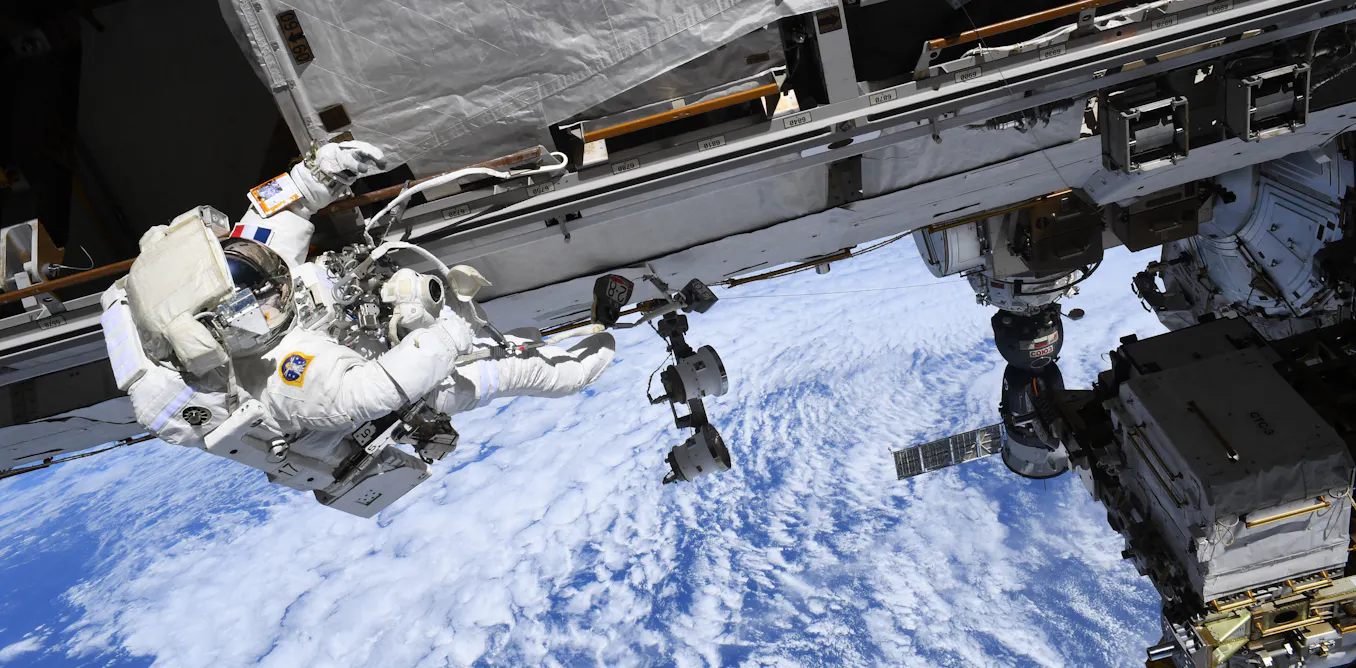
European astronaut Sophie Adenot returned to Earth on October 8, 2026, after a 237-day mission aboard the International Space Station as part of Expedition 74/75, warning that humanity is not ready for Mars due to unaddressed medical hurdles. Her perspective draws on a career combining operational aviation and engineering physiology.
As a French Air and Space Force colonel and helicopter test pilot at Cazaux Air Base from 2019 to 2022, she accumulated over 3,000 flight hours across 22 helicopter types, often flying search and rescue missions in hostile environments with Escadron d’Hélicoptères 1/67 Pyrénées from 2008 to 2012.
This frontline experience in extreme physiological environments is grounded in her academic training.
Detecting viral genomes in bodily fluids does not automatically indicate clinical illness or the production of new infectious particles. Researchers emphasize that viral shedding often remains completely silent, proving that understanding this delicate biological equilibrium remains vital before planning crewed missions to distant celestial bodies.