In the narrow, densely packed lanes of Old Delhi, the morning routine of Gali Sattara was shattered on Thursday, November 5, 2026. A three-storey building, currently under construction, collapsed without warning near the Chawri Bazaar Metro station, leaving two workers dead and several others feared trapped beneath the rubble. The tragedy serves as a grim reminder of the persistent vulnerability of the capital’s infrastructure, where rapid, often unregulated development frequently outpaces safety oversight.
The Collapse at Gali Sattara
The incident was reported to the Delhi Fire Services at 9:50 a.m., prompting an immediate deployment of six fire units, water tenders, and rescue vehicles. According to The Hindu, approximately 15 construction workers were at the site when the structure gave way. While four workers managed to escape the scene unhurt before emergency responders arrived, the situation for those remaining was dire. DCP (Central) Rohit Rajbir Singh confirmed that rescuers pulled three individuals from the debris; two were declared dead upon arrival at the hospital, while the third remains under medical care.
Deeply saddened by the tragic building collapse at Chawri Bazar. My heartfelt condolences to the bereaved families. Rescue operations are underway on a war footing. The safety of citizens and swift assistance to those affected remain our priority.
The victims were identified as Kishori, 40, and Sanjeet, 45, both residents of the railway colony in the Mandawali area. Preliminary investigations suggest that the building, situated on a modest 50-square-yard plot, suffered a catastrophic failure of its pillar structure, which proved unable to bear the load of the three-storey construction. Witnesses described a surreal, silent descent; rather than a loud crash, the building simply seemed to sink into itself, leaving residents in the neighborhood stunned.
A Recurring Crisis in Urban Safety
This collapse is not an isolated event but rather the latest in a troubling series of structural failures across the city. The human and economic stakes are high for the labor force that powers Delhi’s expansion, often working in precarious conditions for minimal pay. The frequency of these incidents has sparked intense scrutiny of municipal safety audits. AAP’s Saurabh Bharadwaj questioned the efficacy of these measures, noting that despite the Municipal Corporation of Delhi (MCD) conducting multiple safety audits following previous disasters, the trend of collapsing buildings remains unbroken.
Breaking: Another 3-storey building collapses at Chawri Bazaar/Chandni Chowk. Many feared trapped under debris. Rekha Gupta's government and MCD conducted multiple safety audits of all buildings in Delhi, yet buildings keep collapsing. Why? Safety audits have been ordered…
The historical context of these tragedies is stark:
- September 6, 2026: A five-storey building serving as a paying guest (PG) facility in Satya Niketan collapsed, resulting in seven fatalities.
- October 7, 2026: A four-storey building in the Seemapuri area of northeast Delhi collapsed, killing three people, including a child.
- Recent Days: Two slabs in a building in the Milan Garden area of northeast Delhi gave way during construction, claiming two more lives.
Delhi Chief Minister Orders Formal Inquiry into Collapse
In the wake of the Chawri Bazaar collapse, Delhi Chief Minister Rekha Gupta has ordered a formal inquiry into the incident. The administrative response was swift: the Municipal Corporation of Delhi has suspended Junior Engineer Aman Dalal and Assistant Engineer Mohd. Naeem of the Building Department. Beyond the suspension of these officials, the Chief Minister has directed the registration of an FIR against the contractor and mandated that ex-gratia assistance be provided to the families of the deceased.
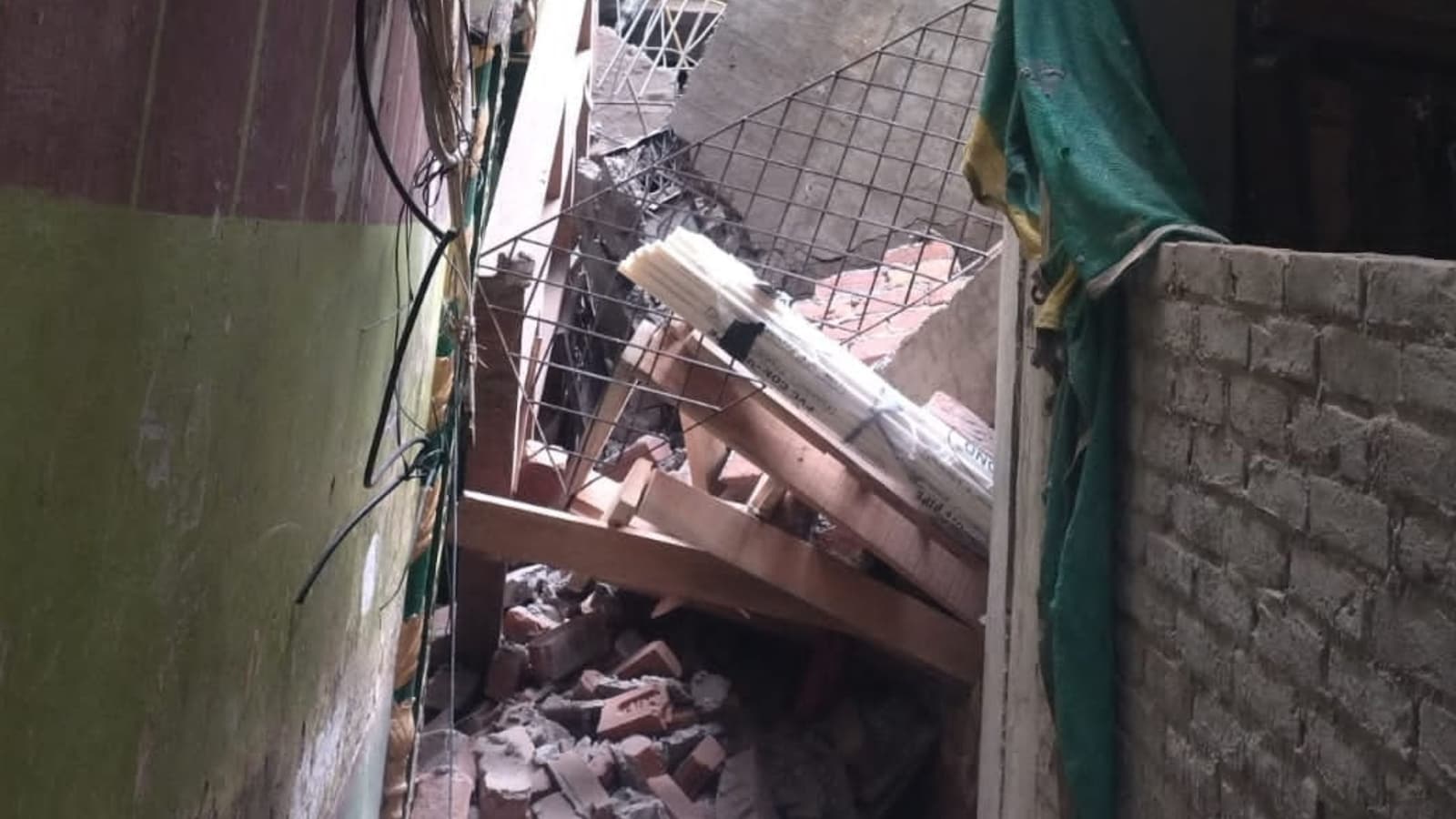
The challenge for rescuers remains significant. The historic, narrow lanes of Old Delhi, often congested with parked vehicles, have hindered the movement of heavy machinery. National Disaster Response Force (NDRF) personnel have been deployed to move through these tight corridors to reach the site. As residents work to clear pathways for ambulances and emergency equipment, the city is once again forced to confront the question of how to balance the demand for housing in one of the world’s most densely populated districts with the fundamental requirement of structural integrity.
For the families of Kishori and Sanjeet, the inquiry and the official suspensions offer little solace. The investigation into the site’s construction history—which reportedly began only about 1.5 months ago according to The Hindu—is ongoing. As the rescue operations continue, the focus remains on the uncertain fate of those still buried, and whether this latest tragedy will finally force a change in how the city manages its vertical growth.
#Watch | At least two bodies have been identified, and several others are feared trapped after a three-storey building under construction collapsed in Gali Sattara, Sheesh Mahal, near Chawri Bazaar Metro station in Old Delhi on Thursday (November 5, 2026) morning. Video: ANI,… pic.twitter.com/sa67eWizlN
More on Gali Sattara
#WATCH | Delhi: NDRF carries out search and rescue operations at the spot where a portion of an under construction building collapsed in Delhi’s Chawri Bazaar area. Two people have lost their lives in the incident. pic.twitter.com/IcMXASyMHX
Visited Chawri Bazar to review ongoing rescue and relief operations. Spoke to officials and rescue teams at the site and directed all agencies to work in close coordination, ensure prompt medical care for the injured and extend necessary assistance to those affected. My… pic.twitter.com/6Ua1XE2DPv
Deeply concerned to learn about the collapse of an under construction building at Chawri Bazar. Heartfelt condolences to the families of the deceased. Teams from MCD, DDMA, NDRF, Delhi Fire Services, Delhi Police are carrying out rescue operations on a war footing. Have…
Watch | Delhi: A three-story building under construction collapsed in the Paiwalan area near Chawri Bazaar, at Gali Sattara, opposite Sheesh Mahal. Two people have died in the accident, while several others are feared trapped under the debris. Rescue and relief operations are… pic.twitter.com/c0dwd3t6i9
NEWS | Two people died after a three-storey under-construction #buildingcollapsed in Gali Sattara, Sheesh Mahal, near Chawri Bazaar Metro Station in #Delhi’s Chandni Chowk area on November 5, Delhi Police said.@DelhiPolice pic.twitter.com/VDW5ubgSFm
At least two bodies have been identified and several others are feared trapped after a three-storey building under construction collapsed in Gali Sattara, Sheesh Mahal, near Chawri Bazaar Metro station in Old Delhi on November 5 morning. ✍️@kaurlavpreet_ https://t.co/Vnr2fOEkGx
JUST IN | A three-storey under-construction building collapsed suddenly in Delhi’s Chawri Bazaar on Thursday morning. Two bodies have so far been recovered from the debris, while the Delhi Fire Services say at least 15 people may be trapped. The incident occurred at around 9:50… pic.twitter.com/0KzqLr0nq1