The Bank of England raised the base interest rate by 0.25 percentage points to 4% on Thursday, marking the first increase in borrowing costs since August 2023. The widely anticipated move, aimed at curbing persistent inflation fueled by the conflict in the Middle East, followed a Monetary Policy Committee (MPC) vote that passed by a margin of 8 to 1. One dissenting member had advocated for a more aggressive 50 basis-point hike to 4.25%.
Bailey Targets Inflation Risks Expected to Rise
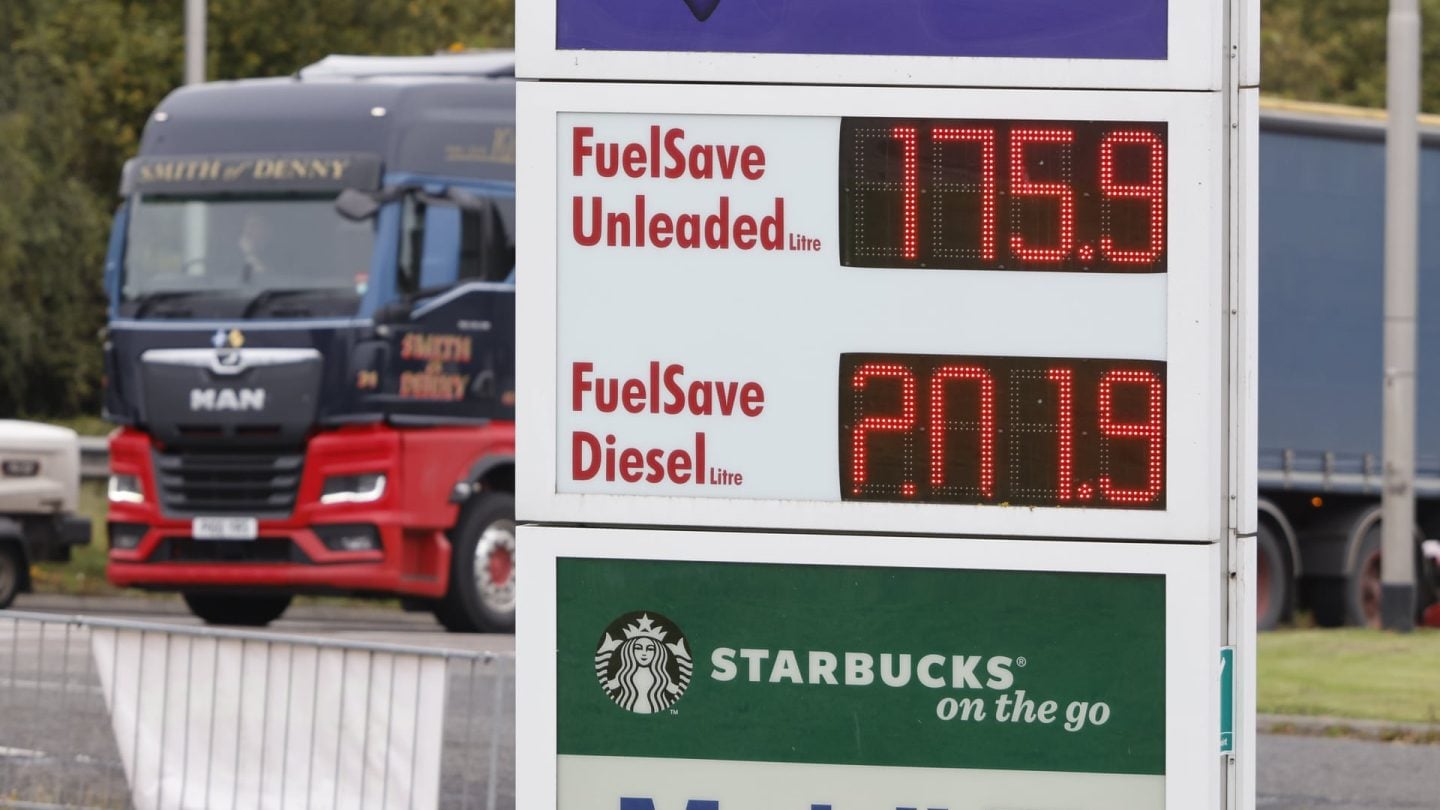
Bank of England Governor Andrew Bailey stated in the November Monetary Policy Report that the decision was intended to address inflation risks, which reached 3.5% in September. The Bank projects that inflation will rise further to approximately 5% by the middle of 2027. Policymakers noted that the conflict in the Middle East, now in its ninth month, has disrupted the transportation and supply of energy, pushing up utility bills and motor fuel costs for households. Bailey noted that while the move was not the start of an inevitably long sequence of hikes, further increases could be necessary if the regional conflict continues to pressure global energy prices.
Internal debate persists regarding the path forward. Deputy Governor Clare Lombardelli indicated a likely case for more hikes in the near term, while Chief Economist Huw Pill suggested a single 25 basis-point move would be insufficient. Conversely, MPC member Alan Taylor described the move as a one-off “insurance” hike, and Swati Dhingra maintained she would require clearer evidence of firm pricing power before supporting additional increases.
Faced with the Bank staff's new forecasts, it was surely inevitable that the MPC would vote unanimously to raise rates today… 🤔 In particular, CPI inflation is "now expected to rise to around 5% by the middle of next year". This may be too pessimistic, depending on what…
Tracker Mortgage Holders Face Higher Monthly Repayments
The increase directly affects the 510,000 outstanding homeowner mortgages held on tracker deals, which represent approximately 6% of the market. According to UK Finance, these borrowers will typically see their monthly repayments rise by an average of £30.72.
Independent financial adviser Nouran Moustafa cautioned against homeowners automatically choosing shorter fixed-rate deals in hopes of rapid rate decreases, while Steve Cox, chief commercial officer at Fleet Mortgages, urged buy-to-let landlords to explore refinancing options immediately.
As widely expected, the Bank of England hiked interest rates by 25 bps. The vote was 8-1, with one dissenter pushing for 50 bps. The policy move comes alongside a warning that inflation could peak at 4.9% next year.#economy #markets #boe @bankofengland #centralbanks
Higher Rates Force Companies to Scrutinize Employment Costs
The business sector has expressed concern regarding the impact of tightening monetary policy on growth. Mitchell Barnes, founder and chief executive of Ryse 3D, noted that the reality of higher rates forces companies to scrutinize employment costs, which can limit job creation and wage growth. Chancellor John Healey stated that the government’s recent budget included measures to provide breathing space, such as a £100 energy payment for twenty million households, extended electricity bill tax cuts, and a fuel duty freeze, designed to protect the economy from global shocks.
The Office for Budget Responsibility (OBR) provided a contrast to the Bank’s outlook, suggesting in evidence to parliament that the economy will expand by 1% in 2027 and that the consumer prices index (CPI) will peak at 3.75%, rather than the 4.9% predicted by the Bank.

Pound Shows Resilience Following the Interest Rate Announcement
The pound showed resilience following the announcement, rising 0.05% to 83.48 pence per euro and 0.01% against the dollar. Market analysts described the move as a measured, credibility-preserving
action. Meanwhile, spot gold prices rose 1.74% to $4,128.54 an ounce, reflecting ongoing investor concern regarding persistent inflation. As the Bank of England navigates this unusual type of uncertainty,
much will depend on the evolution of consumer confidence and inflation over the coming months.
NEW Bank of England RAISES rates to 4% for first time in 3 years 8-1 vote (with 1 vote for 0.5% rise) Q3 GDP growth now forecast at 0.7% Inflation set for 4.9% in spring