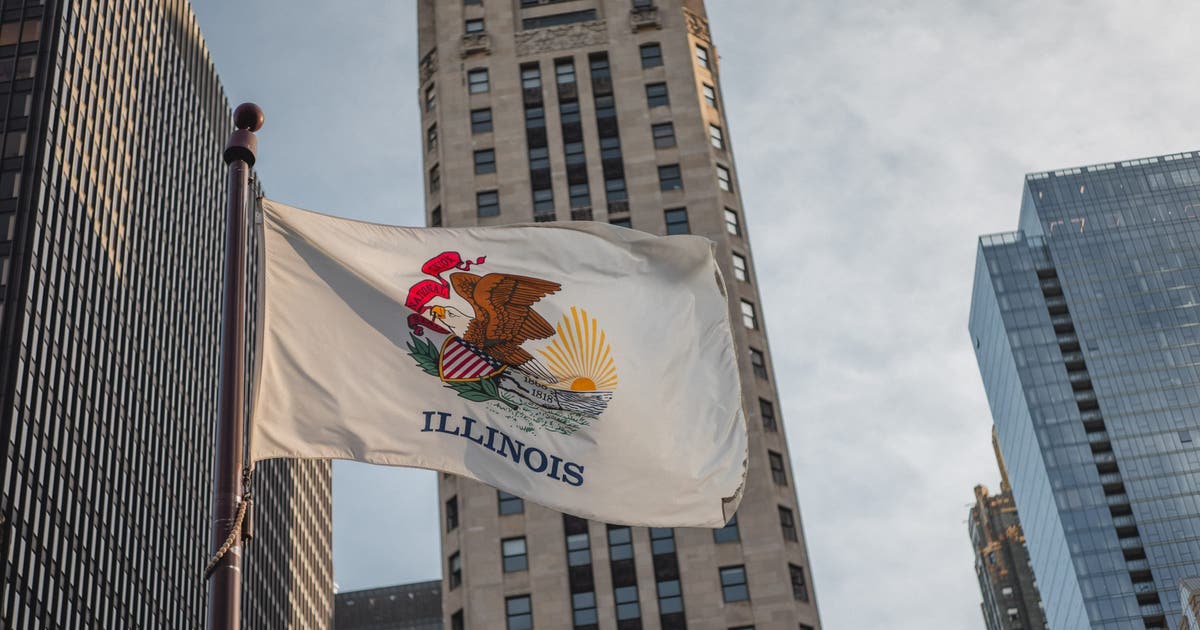
The political map of Illinois is showing signs of a deepening fracture. During the November 2026 election, voters in 12 additional counties cast ballots in favor of non-binding referendums calling for separation from the state. This latest wave of ballots, which also included several townships within Adams County, brings the total number of counties that have registered their desire to explore leaving Illinois to 45 since 2020, as FOX Chicago reported.
While these votes do not possess the legal authority to redraw state lines, they function as a political signal from downstate communities. The movement is driven by a perception that the legislative priorities of Chicago and Cook County can come at the expense of downstate Illinois. For those living in the rural and semi-rural expanses of Illinois, the statehouse in Springfield often feels like a distant entity that operates without their input.
The Mechanics of a New State
The push for secession is not a monolith. Loret Newlin, who is helping lead the Illinois Separation referendum effort, has clarified that the primary goal is the creation of an entirely new state rather than a simple annexation by neighboring Indiana. This path is a lengthy process, requiring approval from both the Illinois General Assembly and the United States Congress.
The state legislature tends to not take us into consideration when they’re making their laws.
Despite the legal requirements, the movement has maintained momentum. The 2026 results span a diverse list of counties, including Coles, Ford, Gallatin, Hamilton, Henderson, Macoupin, McDonough, Monroe, Piatt, Saline, Warren, and Washington. This adds to a growing list that began with 23 counties in 2020 and expanded through the 2024 cycle. Even as organizers acknowledge that the process could take time, the recurring success of these referendums suggests that the frustration fueling the movement is not a temporary electoral trend.
The Indiana Alternative
While the separation activists focus on statehood, political leaders across the border in Indiana have kept a standing offer on the table. In 2025, Indiana State Rep. Todd Huston told FOX Chicago that his state would be willing to have conversations with Illinois communities interested in joining Indiana. Huston has cited Indiana’s competitive tax structure, business-friendly regulations, and overall economic growth as factors that might entice Illinoisans to relocate. His perspective is supported by the migration of more than 100,000 people moving from Illinois to Indiana since 2020.
The Economic Reality Gap
Central to the secessionist argument is the claim that downstate Illinois does not receive its fair share of state funding. However, research from the Paul Simon Public Policy Institute at Southern Illinois University offers a different perspective. A study examining Illinois tax revenue and state spending—based on 2013 tax and budget records—found that downstate regions receive more state funding than they contribute in taxes.
Data from the study indicates that for every $1 paid in taxes, Southern Illinois collects about $2.81 in state support, whereas Central Illinois obtains roughly $1.87 for every $1 it provides. In contrast, Cook County receives about 90 cents for every dollar it generates, and the suburban counties receive approximately 53 cents. This data highlights a fundamental tension: the perception of being overlooked is clashing with the research on state-level wealth redistribution.
Researchers at the Institute have warned that this regional resentment can make it more difficult to address broader public policy challenges. When the political discourse is dominated by the question of regional divisions, finding common ground becomes more difficult.
The Path Forward
For now, the referendum results are non-binding and do not change the political boundaries of Illinois. Organizers like Newlin report that interest in the movement is not confined to the 45 counties that have already voted; they have said organizers have heard from people in every county in the state interested in pursuing referendums. Whether this frustration eventually forces a shift in how the Illinois General Assembly balances the needs of its urban centers and rural outskirts remains an open question. What is clear is that a significant portion of the Illinois electorate is no longer content with the status quo, and they are using the ballot box to ensure that their grievances are impossible to ignore.