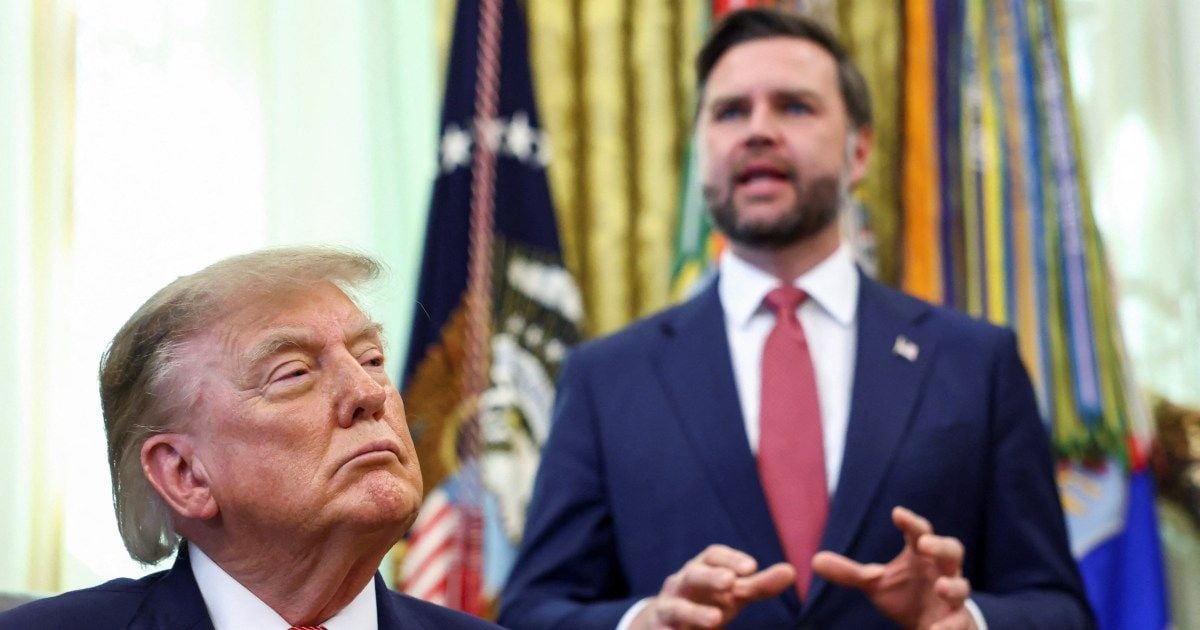
President Donald Trump declared “We don’t need a deal with Iran,” abruptly halting months of diplomatic outreach and redirecting Vice President JD Vance to focus on domestic corruption.
Trump Dismisses Formal Negotiations with Tehran
The policy shift came in a social media post on Thursday in which the president dismissed the prospect of formal negotiations with Tehran. “We don’t need a deal with Iran,” Trump wrote on Truth Social.
“Those days have long since passed. We’ve got their money, Hundreds of Billions of Dollars, and we’ve got their Strait!” In the same post, Trump asserted that CORRUPTION is in the Democrat Leadership’s blood! and told Vance to focus on alleged crime and fraud in Democratic-run cities and states.
One of the things the data analysts on our side obsessed over was "composition"—whether the electorate looked close enough to 2024 for Republicans to win. And despite polls that showed a Democrat blowout, the data kept on telling us the same story: in some states turnout was…
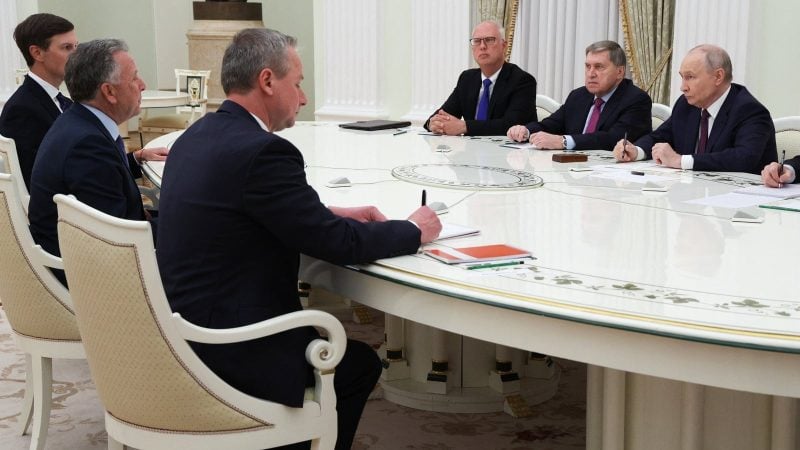
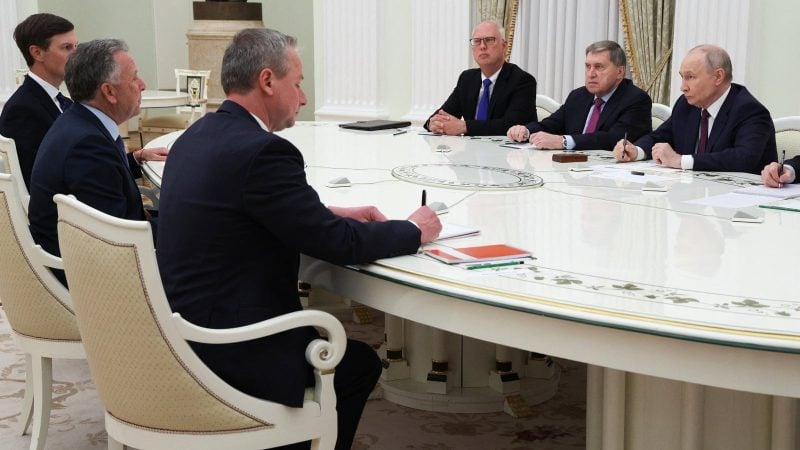
Negotiations have also involved Steve Witkoff, an envoy, and Jared Kushner, Trump’s son-in-law, whereas Axios said that Vance was in nearly daily dialogue with Pakistan’s army chief Asim Munir, Sheikh Mohammed, and other intermediaries.
In an effort to restart direct talks, Vance dispatched a message several weeks ago through Qatari intermediaries addressed to Mohsen Rezaei, secretary of the Supreme National Security Council, proposing an upcoming encounter between American and Iranian representatives while noting he would spearhead the discussions on behalf of the United States.

Vance had traveled to Pakistan in April to spearhead talks in a marathon session that ended without any resolution. In a surprise press conference on Monday following a meeting with Qatar’s prime minister, Sheikh Mohammed bin Abdulrahman Al Thani, Trump had spoken of momentum and said that the war militarily was effectively over.
The reassignment follows a public split between the president and his deputy over the political toll of the military campaign against Iran, which began in February when the U.S. and Israel launched joint airstrikes.
Midterm Losses Spark Public Division Inside The Administration
The policy reversal arrives just days after sweeping Republican losses in the midterm elections, which handed Democrats control of Congress with more than 250 House seats and at least 55 Senate seats.
House lawmakers like Zach Nunn and Mariannette Miller-Meeks had previously voted with Democrats on a measure to end the conflict. Following the election, Vance published a lengthy post on X blaming the Iran war and its economic repercussions for the party’s defeat.
Iran must be held accountable for killing Americans, supporting terrorism, threatening the Strait of Hormuz, and pursuing nuclear weapons. Iowa has already paid a devastating price, including two service members killed by an Iranian drone in Kuwait. Congress owes them, their…
More than seven years after dropping hints regarding his exit strategy during an Oval Office discussion on June 25, 2019, Trump this week formally proclaimed the military conclusion of the Iran conflict.
While Trump defended the decision to launch the military campaign as a necessary measure to prevent Tehran from acquiring a nuclear weapon, he publicly shrugged off his deputy’s blunt critique.

“A lot of people didn’t like his comments, but not me,” Trump said during an earlier White House briefing, adding that he considers Vance’s earlier recommendation to end the war sound advice.
Markets React as Economic Pressure Replaces Formal Negotiations
Financial markets reacted swiftly to the president’s announcement, as investors recalculated the risk premium attached to Middle Eastern crude supplies. Brent crude for January delivery rose 3.3% to $95.82 a barrel, while West Texas Intermediate for December gained 2.6% to $88.74 a barrel.
Rather than pursuing a formal treaty or a grand bargain, the administration’s current approach relies on maintaining a naval blockade on Iranian ports and keeping commercial shipping moving through the Strait of Hormuz.
To let the situation de-escalate and preserve everyone’s dignity, Trita Parsi, affiliated with the Quincy Institute, proposed that Trump could quietly allow the blockade to fade away while maintaining it on paper.
Following discussions with American allies in Paris, Secretary of State Marco Rubio characterized Tehran’s conditions for a potential agreement as ridiculous—pointing specifically to its demands for war reparations—and affirmed that Trump would reject any substandard pact.
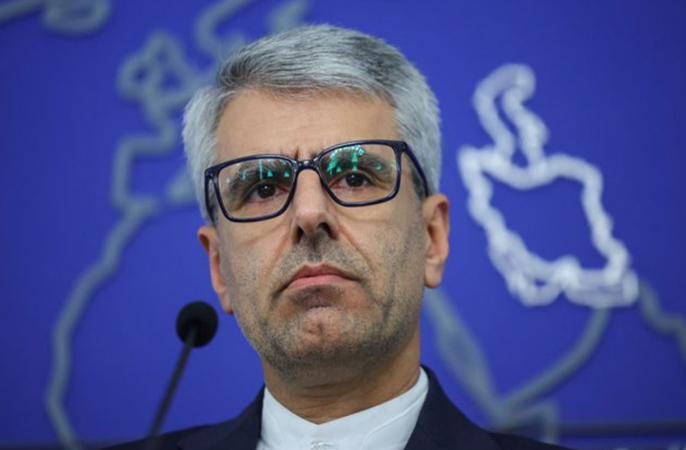
Despite the blockade, regional tensions persist. Mohammad Bagher Ghalibaf, Iran’s parliament speaker and top negotiator, said that there are no free waters there and the 1982 United Nations Convention on the Law of the Sea does not apply to the Strait of Hormuz.

Fighting has made it precarious to transport oil and other goods through the Bab el-Mandeb Strait connecting the Red Sea to the Gulf of Aden and the Indian Ocean, even as CENTCOM claimed that at least 4,000 ships had crossed the waterway with U.S. military assistance carrying over 1.7 billion barrels of crude oil.
Meanwhile, maritime agencies and insurers continue to advise against traveling through the strait or have raised prices sharply while refusing cover entirely.
President Trump said that Saudi Arabia had asked him to please just let it be the way it is now for a while, and that Qatar, Kuwait, the United Arab Emirates, and Bahrain preferred the current approach.
Reporting for these developments was provided by Bo Erickson in Washington, with additional reporting by Simon Lewis, Doina Chiacu, Susan Heavey, Michelle L. Price, and Elena Becatoros, and edited by Colleen Jenkins, Andrea Ricci, Don Durfee, and Nia Williams.