European Union leaders meeting in Dublin agreed on Friday to send a six-member delegation to represent the continent in upcoming negotiations on the Russia-Ukraine war.
The decision concluded an informal meeting of the EU Council in the Irish capital. European Council President António Costa announced that the continent’s presence at the negotiating table will comprise the bloc’s institutions alongside the E5 coalition, consisting of Britain, France, Germany, Italy, and Poland.
At #EUCO, we are now discussing Ukraine and the ongoing efforts to negotiate a peace agreement. Our position is clear: Europe's security and Ukraine's security are inseparable. And our goal remains the same: a just and lasting peace for Ukraine. Europe will speak with a clear… pic.twitter.com/ogN6YEjpgl
Dublin Summit and the E5 Negotiating Team
European capitals had spent months waiting on the margins of international diplomacy while Washington and Moscow steered discussions on the conflict.
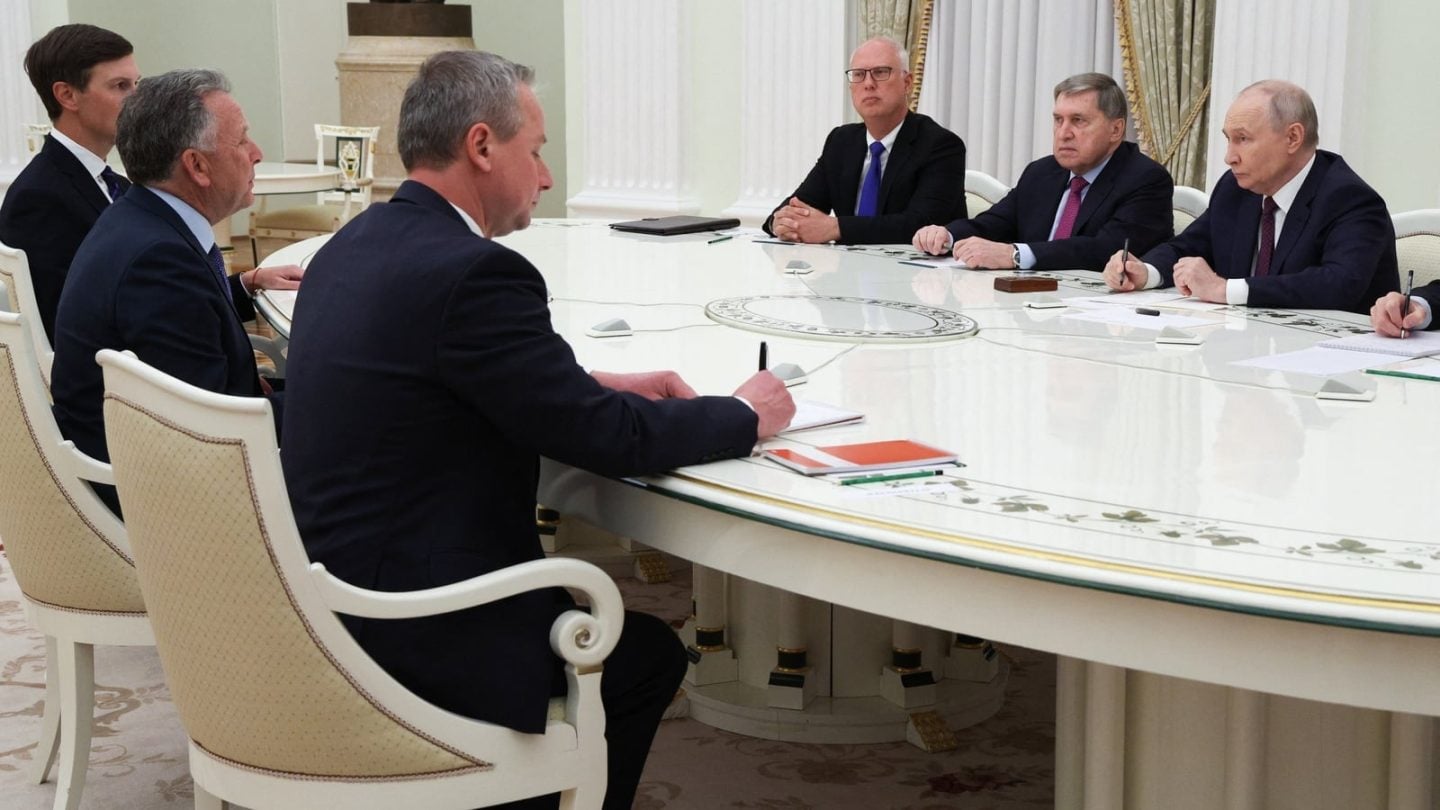
Ukrainian President Volodymyr Zelenskyy traveled to Dublin earlier in the week to attend a summit of the European Political Community before meeting with United States presidential envoys Jared Kushner and Steve Witkoff.
.@SEPeaceMissions, @jaredkushner, and I met in Ireland following all the negotiations held this week. First, a humanitarian outcome – prisoners will be released, and we are counting on the largest prisoner exchange since the start of this war. The second outcome – we are… pic.twitter.com/C7VvLrCnNR
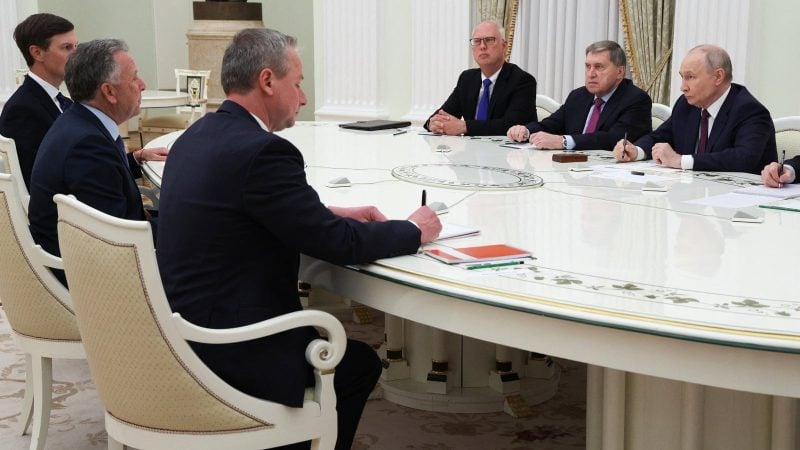
Those U.S. representatives had recently held talks with Russian officials in Abu Dhabi and Moscow. Following those contacts, Kushner and Zelenskyy confirmed that European officials would be included in the next round of discussions.
Rather than naming a single negotiator, European leaders selected a team. Costa told reporters that unity is essential as the continent engages in the diplomatic process, saying at a news conference that America itself has two envoys and that Europe must work together.
In Dublin, I met with the national security advisors of the E4 countries – the United Kingdom, Germany, France, and Italy – as well as those of the European Commission and the European Council. I thanked them for their engagement in communication with the American side, their… pic.twitter.com/Dh6OUHshbh
Irish Prime Minister Micheál Martin said as he arrived at the summit that the question of European inclusion needed to be decided upon within a week or two, adding that Ireland as peacekeepers would be willing to play a role in monitoring a ceasefire line or other civilian dimensions of the conflict.
French President Emmanuel Macron said that European involvement is necessary, declaring that without Europeans there is no support for Ukraine.
Today the Leaders agreed that the European Team for negotiations on peace in Ukraine is the EU institutions and the E5 of the Coalition of the Willing – France, Germany, Italy, Poland and the United Kingdom. Our principles and our positions in these negotiations remain well… pic.twitter.com/wFLM2ElTRo
Our position is clear, Europe’s security begins in Ukraine’s security, We welcome all diplomatic efforts at bringing Russia to the negotiating table. Only Ukraine has the legitimacy to decide on matters concerning its territory and sovereignty.
António Costa, President of the European Council
Internal Divisions and the Question of Leadership
Ahead of the decision, Jared Kushner said that “if Europe could identify one person to speak on their behalf, that would be a bigger achievement than getting the Russians to include them in the negotiation.”
Several figures within the bloc vied for a central mandate. Kaja Kallas, the EU’s foreign policy chief, argued that her institutional portfolio and hardline stance made her the natural choice to represent European foreign policy.

European Commission President Ursula von der Leyen defended the eventual agreement, saying that the EU decides on who represents it. Estonian Prime Minister Kristen Michal said of the intense discussions that the debate over leadership was dramatic enough for a television show.
Major member states resisted giving Brussels a monopoly on external representation.
Putin Demands NATO Withdraw Military Deployments from Europe
The diplomatic maneuvering unfolded against the backdrop of ongoing military strikes and rigid negotiating positions from the Kremlin.
Russian President Vladimir Putin reiterated demands for NATO to withdraw military deployments from Central and Eastern Europe and opposed any deployment of European peacekeeping troops in Ukraine following a ceasefire.
Kremlin spokesperson Dmitry Peskov said that formal talks with an expanded European format would proceed only after Moscow assessed the continent’s genuine intentions.
If the Europeans have someone who is at least somehow authorized to negotiate, if the Europeans genuinely have the desire, then of course we will be ready to talk with them.
Dmitry Peskov, Kremlin Spokesperson
European leaders expressed concern that bilateral agreements between Washington and Moscow could compromise Ukrainian territory and continental security.
Earlier coverage: European Leaders Debate Envoy Role to Secure Seat in Peace Talks