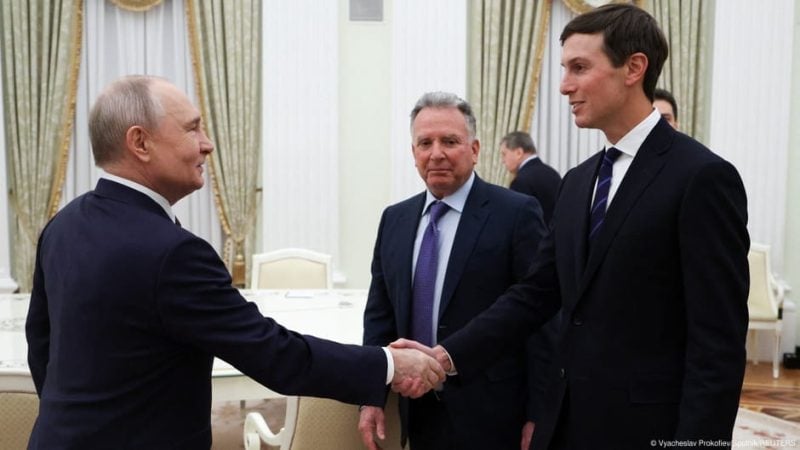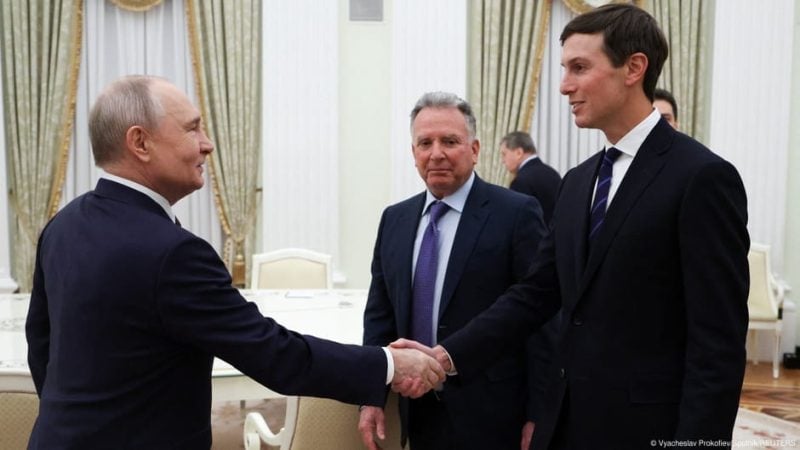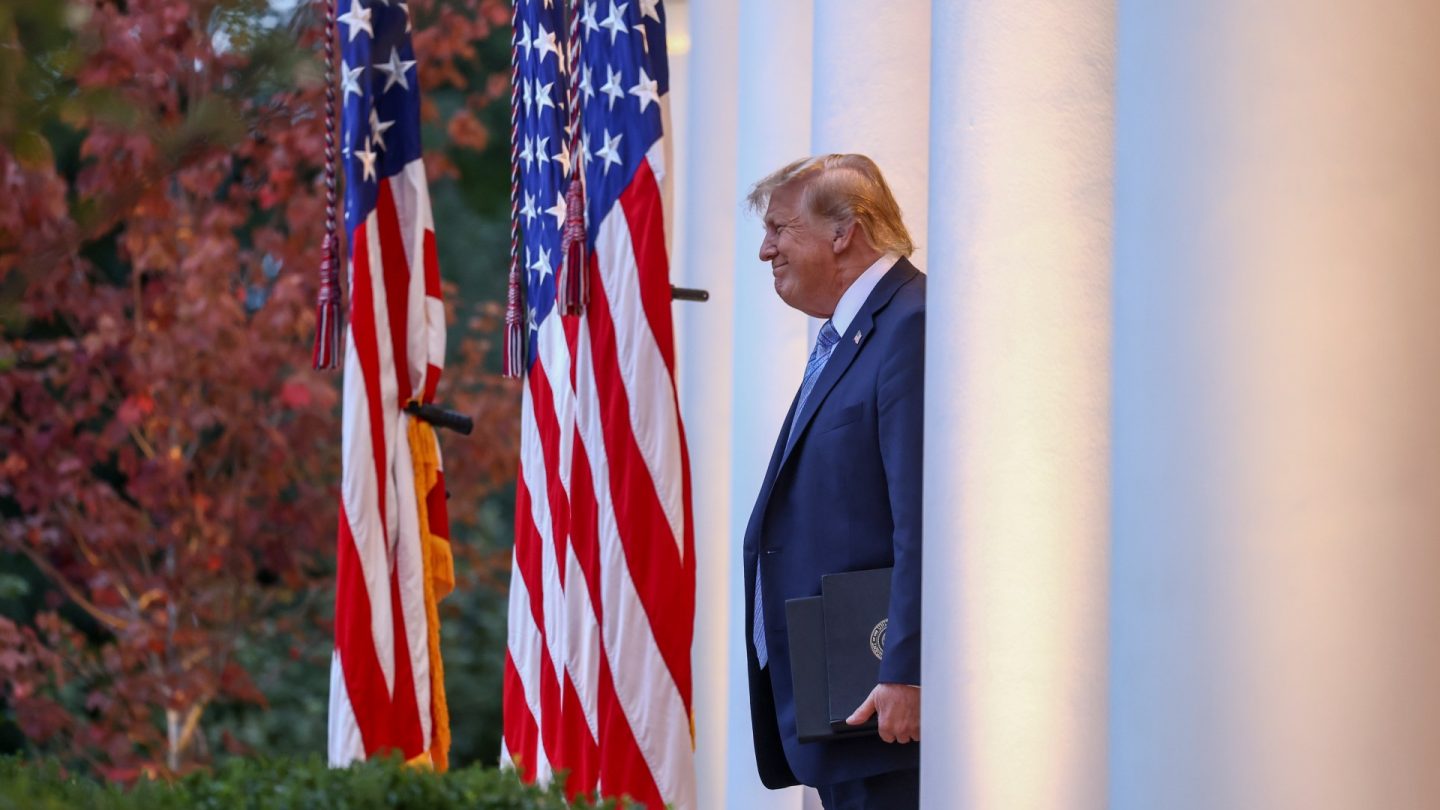
President Donald Trump will meet Qatari Prime Minister Sheikh Mohammed bin Abdulrahman Al Thani at the White House for closed-door talks aimed at bridging differences over Iran’s nuclear program and ending the military conflict.
The diplomatic push follows an intensive round of shuttle diplomacy by Qatari mediators, who traveled to Tehran multiple times last week to negotiate a framework for de-escalation.
The discussions in Washington bring the Qatari leader to the Oval Office to meet separately with Trump and Vice President JD Vance.
🇺🇸🇮🇷 After talks with Qatar's leadership, Trump says BOTH Qatar and Saudi Arabia favor diplomacy over another round of fighting. But he's keeping American military strikes firmly on the table. Both countries have a direct stake in what happens next. Another major escalation… pic.twitter.com/2NQVC9aqHt
The framework carried by Prime Minister Sheikh Mohammed builds on a compressed version of a seven-day plan originally submitted by Iranian Foreign Minister Abbas Araghchi at the United Nations General Assembly on September 25.
Qatari mediators shortened it to a two-day proposal, which was formally delivered to both Washington and Tehran on November 6.
🇺🇸🇮🇷 Trump is being pulled between peace and war with Iran, and one more strike could change everything With rumors of a potential diplomatic breakthrough emerging from Qatar, Drop Site News founder Ryan Grim joined me to discuss the extraordinary power struggle unfolding around… pic.twitter.com/ok0IbW5Ujg
The plan centers on ending the U.S. naval blockade of Iranian ports.
It also involves releasing approximately $8 billion in frozen Iranian funds held in Qatar in exchange for Iran reopening the Strait of Hormuz to unrestricted international shipping.
During their diplomatic efforts, Qatari officials traveled to Tehran five times in a single week, holding lengthy discussions with Iranian counterparts that included meetings lasting between 18 and 20 hours.
Qatar’s Prime Minister and Minister of Foreign Affairs Sheikh Mohammed bin Abdulrahman Al Thani also spoke with Trump by telephone on Friday before the White House visit.
Trump separately discussed Doha’s mediation efforts in a Friday morning phone call with Qatar’s emir, Sheikh Tamim bin Hamad Al Thani.
Secretary of State Marco Rubio told reporters before departing for a G7 foreign ministers meeting in Paris that while Washington prefers a diplomatic solution, Iranian terms remain unacceptable.
I wouldn’t say we’re at the verge of a breakthrough,
Secretary of State Marco Rubio, via Al Jazeera
Rubio characterized several of Tehran’s demands as not just unacceptable, but in some cases, outrageous and ridiculous and really not realistic
.
According to the International Atomic Energy Agency, Iran maintains 440.9kg (972 pounds) of uranium enriched up to that 60 percent level, a boost that occurred after the United States withdrew from the nuclear deal in 2018.
Meanwhile, U.S. Central Command announced on Friday that the State Department’s Rewards for Justice programme is offering up to $20 million and possible relocation for information regarding Iran’s nuclear programme.
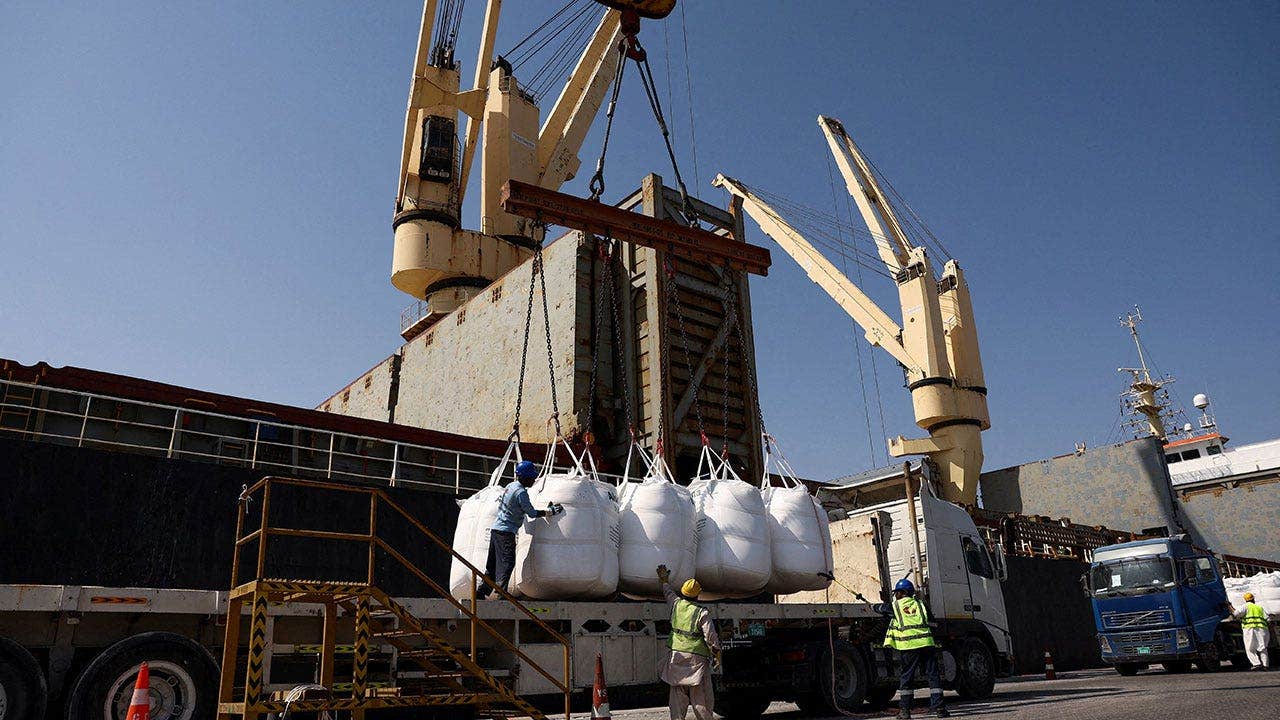
The conflict has severely disrupted global energy markets by choking traffic through the Strait of Hormuz, a critical chokepoint for international crude and liquefied natural gas.

Data cited by international monitors indicates that shipping through the strait dropped sharply.
Hormuz traffic stood at 5 percent of pre-war levels on a seven-day average, and the latest single-day reading fell to 1 percent.
Energy markets reacted to the diplomatic signals, with Brent crude opening at $97.63 before tumbling.