The United States government has proposed a new tariff framework that could impose a 25 percent tax on goods imported from India, a move that places the long-stalled bilateral trade negotiations at a critical juncture, according to News18 Gujarati.
The proposal, announced by the Office of the United States Trade Representative (USTR) on Wednesday, November 25, 2026, stems from an eight-month investigation into industrial policies and production capacities. While the baseline tariff is set at 25 percent, the USTR has indicated that the rate could be reduced to 17 percent if India and the U.S. finalize a formal trade agreement.
This shift represents a significant change in duty costs; for instance, on a shipment valued at $100,000, a 25 percent tariff would result in $25,000 in duties, whereas the proposed deal rate would lower this to $17,000.
- The proposed tariffs are part of a broader U.S. action targeting 14 to 16 trading partners, including China, the European Union, Japan, and several Southeast Asian nations.
- India has formally rejected the allegations of unfair industrial practices, stating that it does not maintain excess capacity in any sector.
- The U.S. action is being pursued under Section 301 of the Trade Act of 1974, targeting what the administration describes as structural industrial overcapacity.
India Insists Trade Concerns Be Resolved in Bilateral Talks
The Indian Ministry of Commerce and Industry responded to the findings by asserting that the government has constructively engaged with the U.S. throughout the investigation.
Government officials have maintained that all trade-related concerns should be resolved through the ongoing bilateral trade agreement (BTA) negotiations rather than through unilateral tariff impositions. India has set an ambitious goal to grow the India-U.S. trade deal to a significant multi-billion dollar volume by 2030.
Proposed Tariff Tiers for Global Partners
The USTR’s proposal outlines a tiered structure for different trading partners, with varying rates based on the findings of the investigation. China faces the most pressure, with proposals for a 40 percent tariff added to existing duties.
This initiative is viewed as a second phase of the administration’s efforts to implement new tariffs following the U.S. Supreme Court’s February 2026 ruling that declared previous efforts, specifically those from April 2025, unconstitutional.
| Country or Region | Proposed Tariff Rate |
|---|---|
| China | Up to 40% |
| Vietnam | Up to 35% |
| India | 17% to 25% |
| Bangladesh, EU, Japan, Switzerland, Singapore | Up to 20% |
For nations including Cambodia, Indonesia, Malaysia, Thailand, and Bangladesh, the USTR has suggested a tariff cap of 18 percent. Meanwhile, countries such as South Korea, Taiwan, the EU, Japan, and Switzerland may face a 15 percent tariff, excluding Most Favoured Nation (MFN) duties.
In July 2026, the White House had previously imposed tariffs ranging from 10 percent to 12.5 percent on 60 trading partners, alleging failures to control products made through forced labor. It is widely understood that the new proposed tariffs will be applied in addition to those previously announced duties.
India Contests Claims of Industrial Overcapacity
Government officials have stressed that the current trade environment requires careful handling of these accusations. According to sources within the commerce department, India remains committed to resolving all bilateral concerns through formal negotiations rather than accepting the unilateral imposition of tariffs. The ministry maintains that the claims of unfair market practices are unfounded and that India’s growth is driven by market demand rather than structural overproduction.
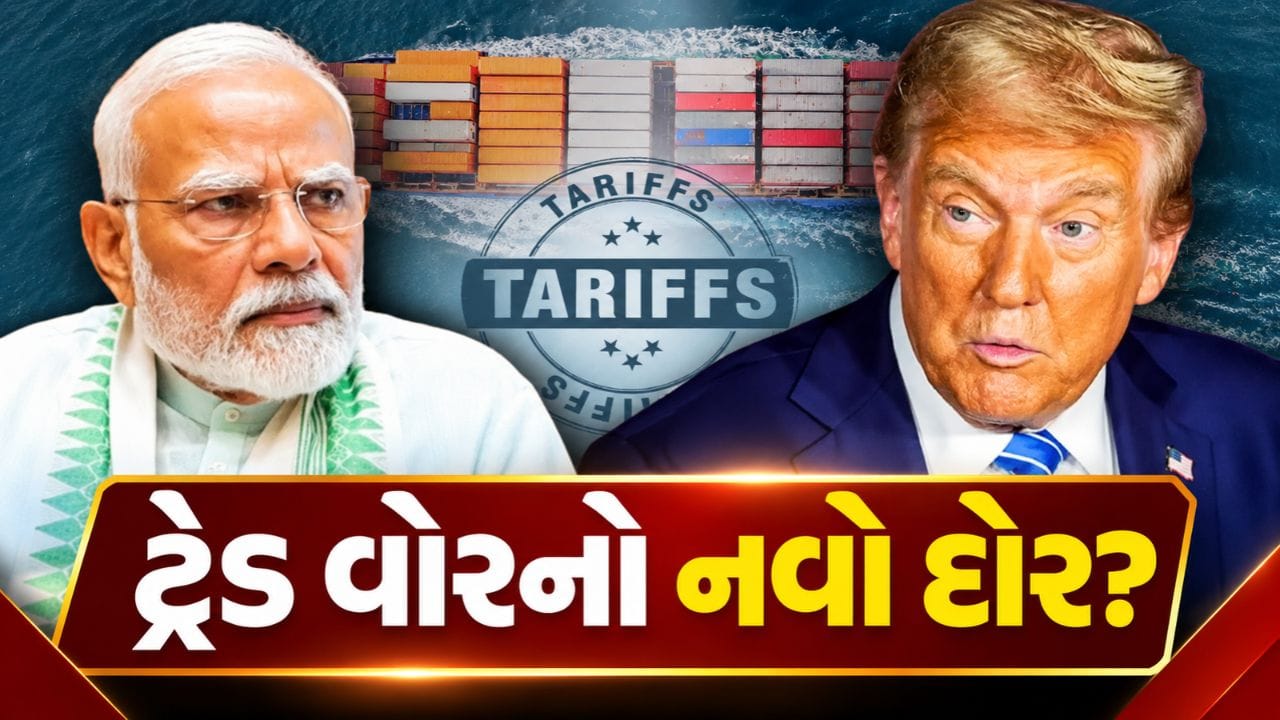
Strategic Implications for Bilateral Trade Deals
The uncertainty surrounding these proposed duties has directly impacted the timeline for the India-U.S. trade agreement, which has been under discussion since February 2025. Union Commerce Secretary Rajesh Agarwal stated at a recent industry event that finalizing the legal draft of the agreement remains difficult while the U.S. tariff framework remains in flux.
India has indicated that it will not sign a final deal until there is complete clarity on these import charges, as they fundamentally alter the competitive advantage of Indian exports.
Industry analysts warn that the proposed tariff structure is designed to pressure trading partners into concessions, yet this strategy carries risks for both nations. With the U.S. administration planning to hold public hearings to determine final rates, the ultimate economic impact on Indian sectors like gems, jewelry, and engineering remains pending.
The government is now preparing to manage this period of uncertainty, as the final outcome of these administrative procedures will decide the future of the trade goal.
Proposed Tariffs Create Uncertainty for Indian Exporters
The prospect of a 25 percent tariff has introduced significant uncertainty for Indian exporters, particularly in sectors such as textiles, engineering, and pharmaceuticals. Indian officials have previously said signing a final trade agreement depends on clarity about the U.S. tariff structure, because any changes to import duties directly affect how competitive Indian goods are in the American market. The dialogue regarding the bilateral trade agreement originally commenced on February 13, 2025.
The proposed tariffs are not yet final. The U.S. administration is expected to initiate a process of public consultation and hearings before determining the final implementation of these duties. A separate hearing regarding proposed tariff modifications for Brazil is currently scheduled for January 14, 2027. Officials note that the final process remains critical, as the ultimate rates are subject to change based on the outcome of these procedures and bilateral discussions.