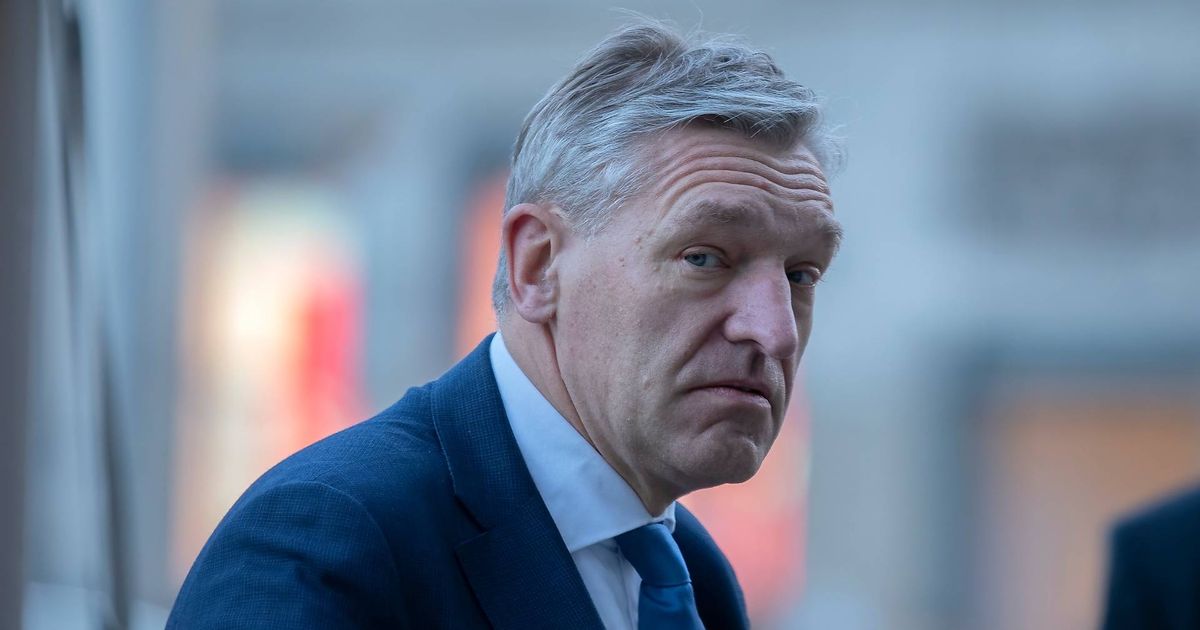
Sybrand Buma has launched his month-long mission to mend frayed relations between the minority government and the Tweede Kamer following a bruising fiscal crisis over the national tax plan, as reported by Tpo. The vice president of the Raad van State is holding confidential talks in The Hague to establish a more orderly budget process and rebuild trust across the political spectrum.
The Tax Plan Crisis That Triggered Buma’s Appointment
The current political turmoil stems directly from a contentious budget battle in November. The Tweede Kamer adopted the plan on November 12 with a narrow 76 to 74 vote, with the VVD casting opposing ballots. Four days of intense crisis talks in Hilversum and at the Catshuis followed before the three coalition parties agreed on November 16 to press ahead under Prime Minister Rob Jetten.
Jetten later acknowledged misjudging the difficulty of securing broad parliamentary backing, telling the Council of Ministers he had been too optimistic. With the coalition commanding only 66 of the 150 seats in the Tweede Kamer and facing a 16-seat deficit in the Eerste Kamer, the government urgently needs a reliable framework for future budgets.
Confidential Consultations at the Raad van State
Buma is conducting his exploratory work behind closed doors at the Raad van State offices in The Hague, deliberately avoiding the media spectacle of a traditional cabinet formation according to WNL. He has roughly one month to formulate his advisory report aimed at establishing structural financial agreements modeled on Scandinavian practices. His schedule includes high-level discussions with key institutional figures and political leaders, as detailed by NOS.
| Participant or Expert Group | Role or Affiliation |
|---|---|
| Rob Jetten | Prime Minister |
| Dilan Yeşilgöz and Bart van de Brink | Vice Prime Ministers |
| Thom van Campen and Mei Li Vos | Presidents of the Tweede Kamer and Eerste Kamer |
| Pieter Hasekamp and Pieter Duisenberg | Directors of the Centraal Planbureau and Algemene Rekenkamer |
| Researchers on minority cabinets | Experts on minority cabinets |
Buma has also issued invitations to all 17 faction leaders in the Tweede Kamer, extending outreach even to wildcards like the PVV, which has repeatedly filed motions of no confidence against the Jetten administration. Upcoming talks will likewise include Finance Minister Eelco Heinen, Eelco Eerenberg, SER Chairman Kim Putters, and DNB President Olaf Sleijpen according to reporting from regional news outlets.
Planning Future Meetings and Maintaining Confidentiality
Sybrand Buma said that he will first outline his mediation planning before determining the full roster of participants, as reported by Het Parool. The Raad van State emphasized that no statements will be issued regarding the content of these discussions due to their confidential nature, according to the Algemeen Nederlands Persbureau.
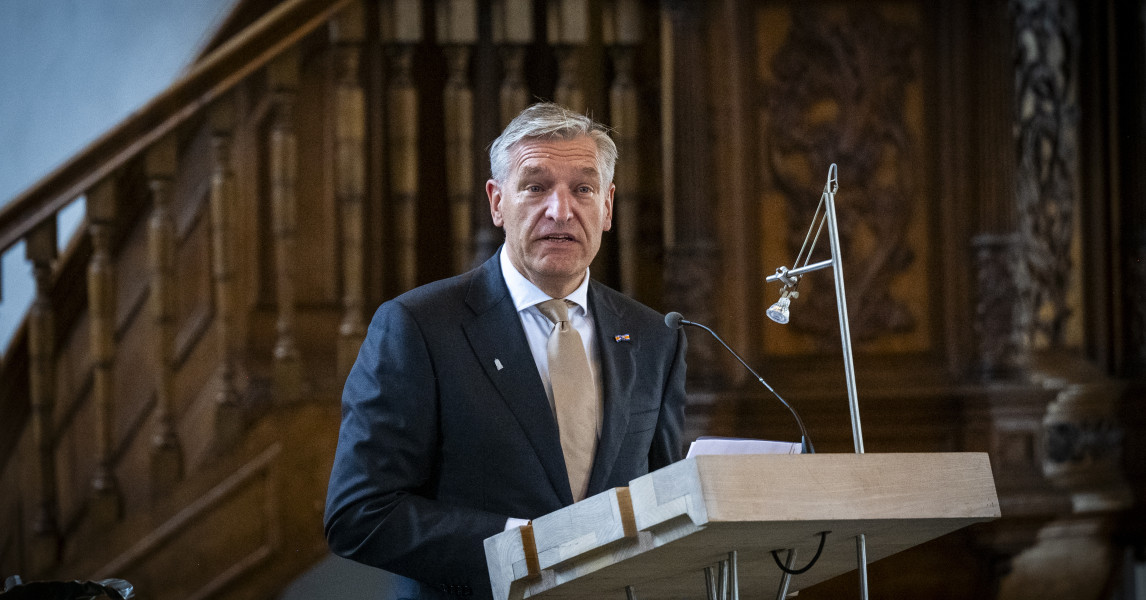
Despite this strict confidentiality, political actors hold differing views on transparency; BBB leader Henk Vermeer declared that his party will not remain silent and will actively speak with the media, noting that cabinet ministers frequently appear in talk shows, as reported by Het Parool.
The Scope and Limits of Buma S Assignment
Political Leendert Beekman remarked on BNR that there is considerable scepticism in The Hague regarding Buma’s assignment, specifying that the concern is directed at the parameters of the task rather than Buma personally. Beekman cautioned that while Buma is permitted to conduct an investigation, he lacks the authority to make critical decisions, leaving the underlying political dilemmas unresolved.
Prime Minister Rob Jetten clarified to the NOS that the cabinet itself will independently make all financial choices following the delivery of the advice. Meanwhile, WNL political analyst Tessa van Viegen observed that Buma functions primarily as a process supervisor, leaving open whether the current coalition construction will ultimately prove sustainable.
Political Scepticism and the Question of Parliamentary Trust
Scepticism runs deep among lawmakers regarding what an advisory process can achieve when underlying political divisions remain raw. Opposing politicians have questioned the utility of bringing in an outside mediator to resolve fundamentally political disagreements over taxes and spending.
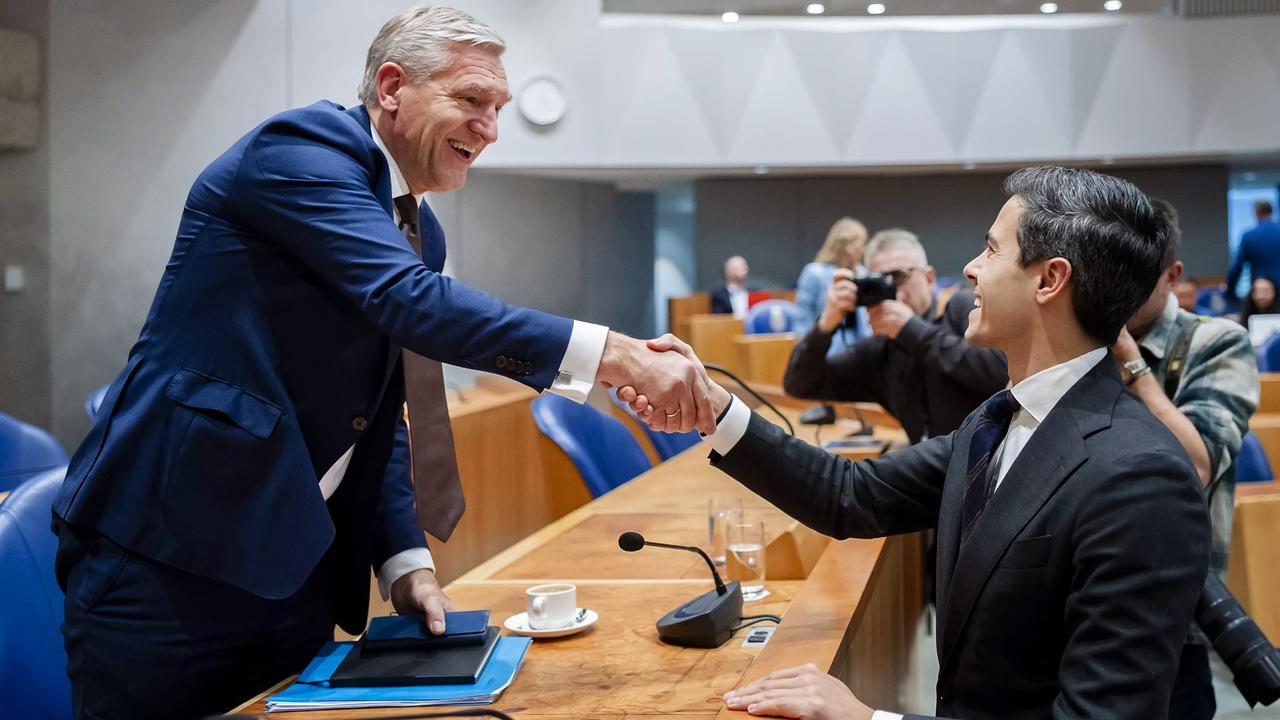
PRO leader Jesse Klaver argued during a parliamentary debate that Buma is unnecessary for making actual political choices, while Volt leader Laurens Dassen questioned whether Buma is being used for partisan purposes, and PvdD representative Christine Teunissen concluded that the political situation has returned to square one.
Sybrand Buma brings to his current mission a career defined by extensive parliamentary and administrative experience. Before his appointment as Vice-President of the Council of State in 2026, he served as the Mayor of Leeuwarden from 2019 to 2026. His legislative background includes serving as a member of the House of Representatives starting in 2002, where he acted as the parliamentary leader of the Christian Democratic Appeal (CDA) from 2010 through 2019.
This long-standing role within the Tweede Kamer allowed Sybrand Buma to shape national policy for seventeen years, providing him with deep insight into the internal dynamics of the Dutch political system. His transition from local governance back to national mediation leverages this history of party leadership and legislative negotiation.

It is still questionable whether Buma will find a way out for the cabinet or whether the conclusion will ultimately be that the construction is unsustainable.
Tessa van Viegen, political reporter via WNL
While some opposition figures fear the initiative amounts to buying time rather than solving structural gridlock, others emphasize the need for shared responsibility. Buma himself carries extensive political experience from his seventeen years in the Tweede Kamer, including a stint as CDA faction leader and his role as an informateur in late 2025 as documented by NOS.
Whether his roadmap can permanently stabilize the minority administration remains entirely dependent on whether political parties are willing to compromise before the next major budget cycle.