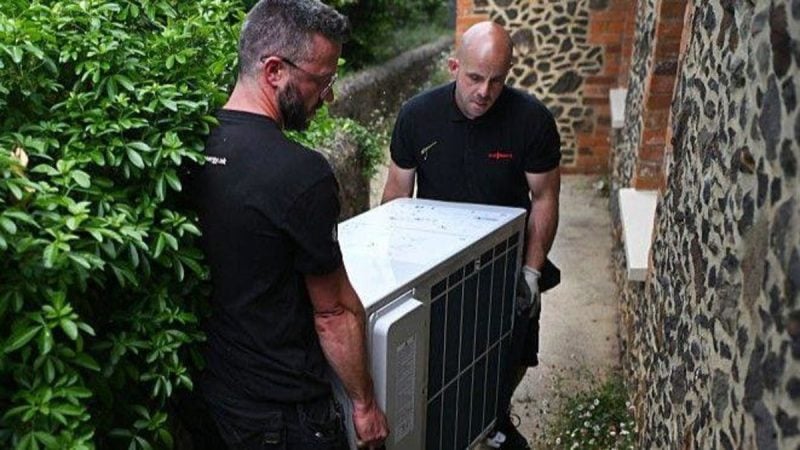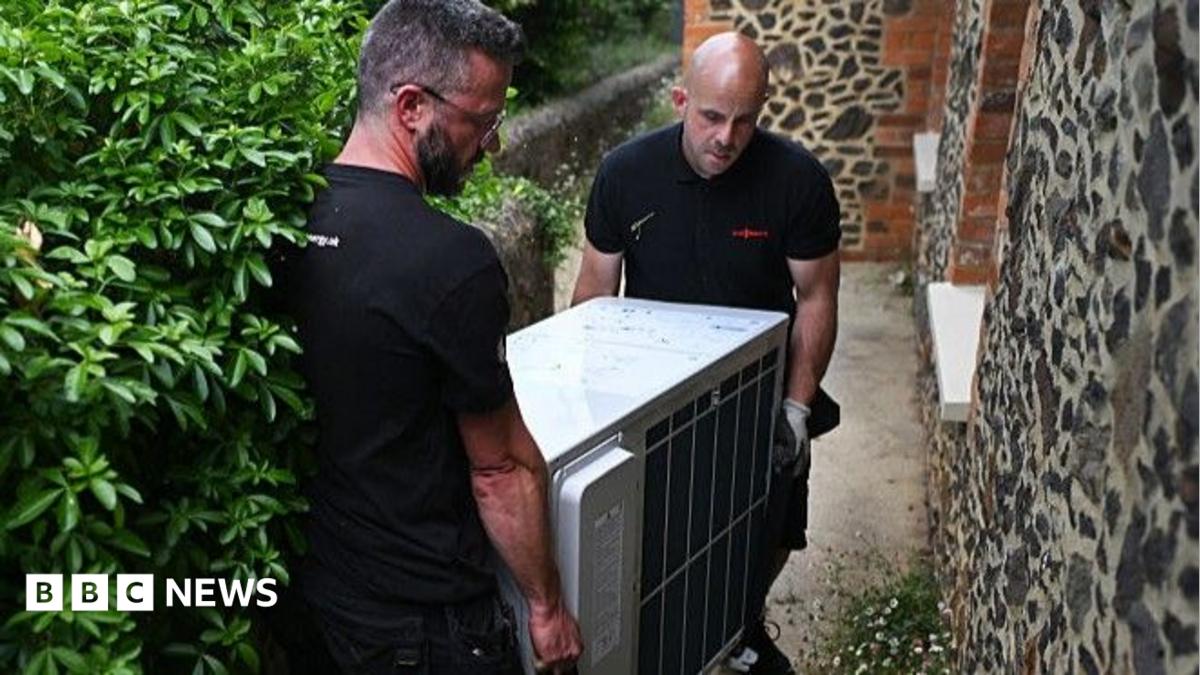
Upgrading an electrical panel to install a heat pump or EV charger can cost homeowners anywhere from a few thousand dollars to $10,000 to $20,000, according to electrical engineer AJ Rossman.
“Electrify everything” has become a prominent climate mantra, but homeowners shifting heating and cooling away from fossil fuels frequently encounter steep electrical capacity limits. A home’s connection to the grid uses amperage to cap safe electrical draw.
While houses built in recent decades typically feature 200-amp service, Lawrence Berkeley research suggests there may be thousands, if not millions, of homeowners who are told they need to upsize their service as they electrify.
Adding induction stoves, heat pumps, and electric vehicle chargers can exhaust available circuit breaker slots or push theoretical loads past safety thresholds. When electricians calculate that new equipment will exceed panel limits, service upgrades often follow. AJ Rossman, an electrical engineer with VEIC, said that estimates for these upgrades reach $10,000 to $20,000.
Homeowners facing steep service upgrade quotes have several alternative hardware choices, though they come with distinct price tags. Smart panels monitor individual circuit usage and automatically shut off lower-priority breakers if total demand nears capacity, but purchasing the materials alone can cost around $4,000.
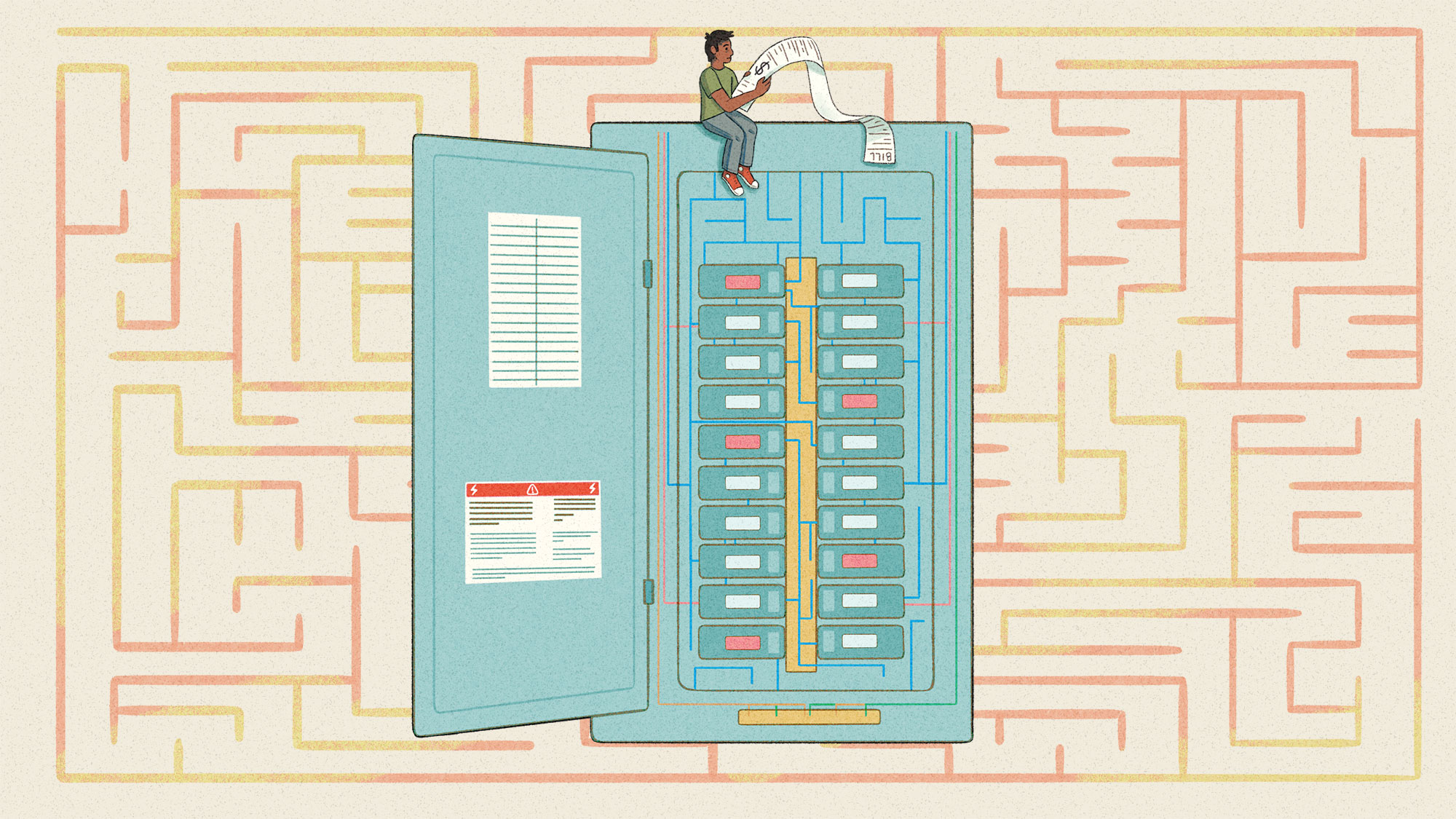
Options that control specific circuits start at approximately $2,000.
Cheaper load-sharing switches, or smart splitters, run about $800 each depending on the brand. These devices enable two high-demand appliances to share a single circuit by allowing only one to run at a time, ensuring just the heavier load counts toward the home demand calculation.
Hardware purchases are not the only workaround for homeowners caught in capacity crunches. When a Burlington, Vermont resident planned an 800-square-foot home addition requiring extra heat pumps and an appliance swap, his electrician calculated a theoretical load of roughly 192 amps. Factor in existing household loads, and the totals pointed toward a service upgrade costing well over $10,000.
Seeking alternatives, the resident called Burlington Electric. An advisor asked whether the electrician had relied on the National Electrical Code’s standard method, which aggregates all rated appliance loads. The utility pointed instead to Section 220.87 of the code, a lesser-known provision allowing calculations based on actual peak demand rather than hypothetical usage.
Electrical panels are not the only residential systems prone to oversized and costly specifications. Designing an efficient heating system, particularly for heat pumps that require precise sizing, relies heavily on a room-by-room heat loss calculation measured in watts.
Recent unreleased research from Purdue University examined heat loss calculations provided by tradespeople to approximately 75 U.S. homeowners. Kevin Kircher of Purdue University expressed surprise at the findings, stating that “the heat loss calculations often led to overestimating the design heat loads by a factor of two or more,” which creates oversized systems consuming excessive energy.
Compounding the design challenges, some homeowners reported paying survey charges exceeding $1,000, with one instance reaching $2,500, according to Kircher’s findings. Dan Dempsey, a former senior engineering fellow for a major heating and cooling provider in the US who participated in the Purdue study, said that oversized heating systems tend to switch on and off in rapid succession.
This constant cycling causes noticeable temperature swings in rooms that fail to maintain target levels, such as 20C. For homeowners looking to verify figures independently, software applications like Cool Calc, AutoHVAC, and the UK web app Heatpunk offer alternative estimation tools.