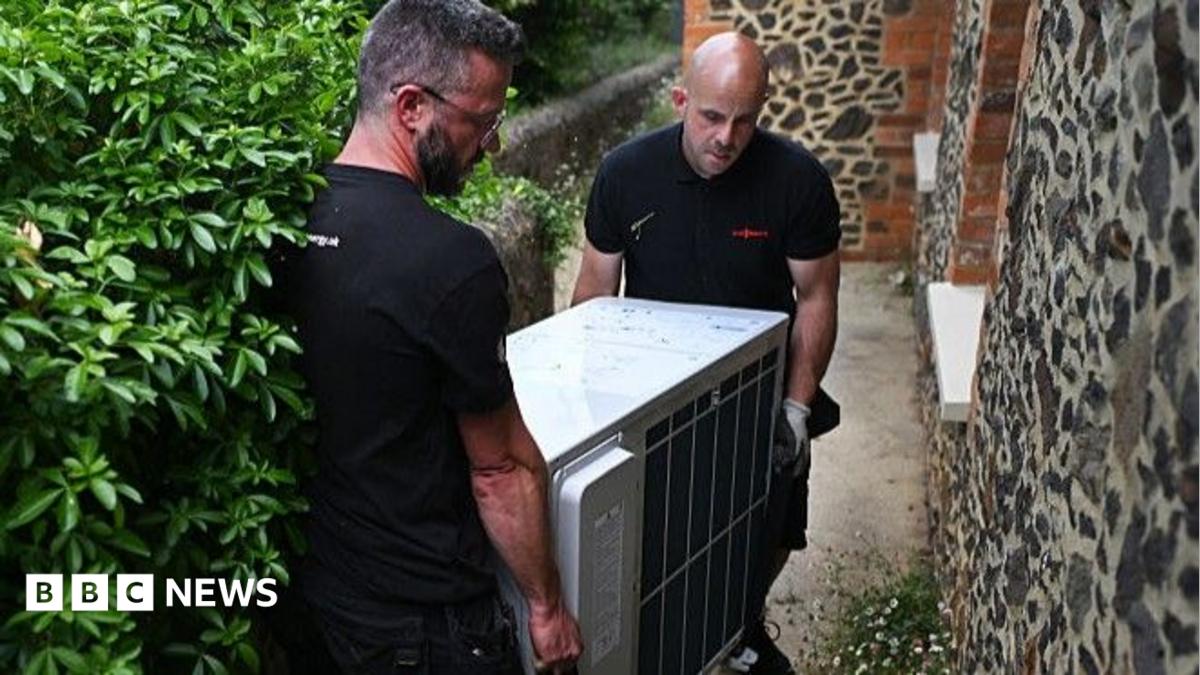
Homeowners electrifying their heating and appliances face steep service upgrade bills, but a lesser-known electrical code provision offers a way to bypass thousands in costs.
The Hidden Cost of Upgrading Home Electrical Panels
Pushing a household away from fossil fuels can trigger unexpected infrastructure expenses. Lawrence Berkeley National Laboratory research shows that roughly a third of homes in the United States have panel capacity of 100 amps or less, with that share rising to closer to half in the Northeast.
When homeowners install heat pumps, induction stoves, and electric vehicle chargers, their panels can run out of breaker slots or push past peak power limits. While adding a subpanel offers a relatively easy fix for missing slots, exceeding power limits often prompts recommendations for a full electrical service upgrade.
Upgrading electrical service starts at a few thousand dollars and quickly skyrockets in rural areas or places where power lines run underground. “We’ve seen estimates of $10,000 to $20,000,” said AJ Rossman, an electrical engineer with VEIC, a contractor running much of Efficiency Vermont’s state program.
Hardware Workarounds Help Manage Electrical Capacity
Homeowners facing steep upgrade bills can choose from a growing array of hardware workarounds. A friend of one homeowner installed a smart panel that monitors circuit usage to ensure demand stays within capacity, automatically shutting off lower-priority breakers when necessary and turning them back on when safe.
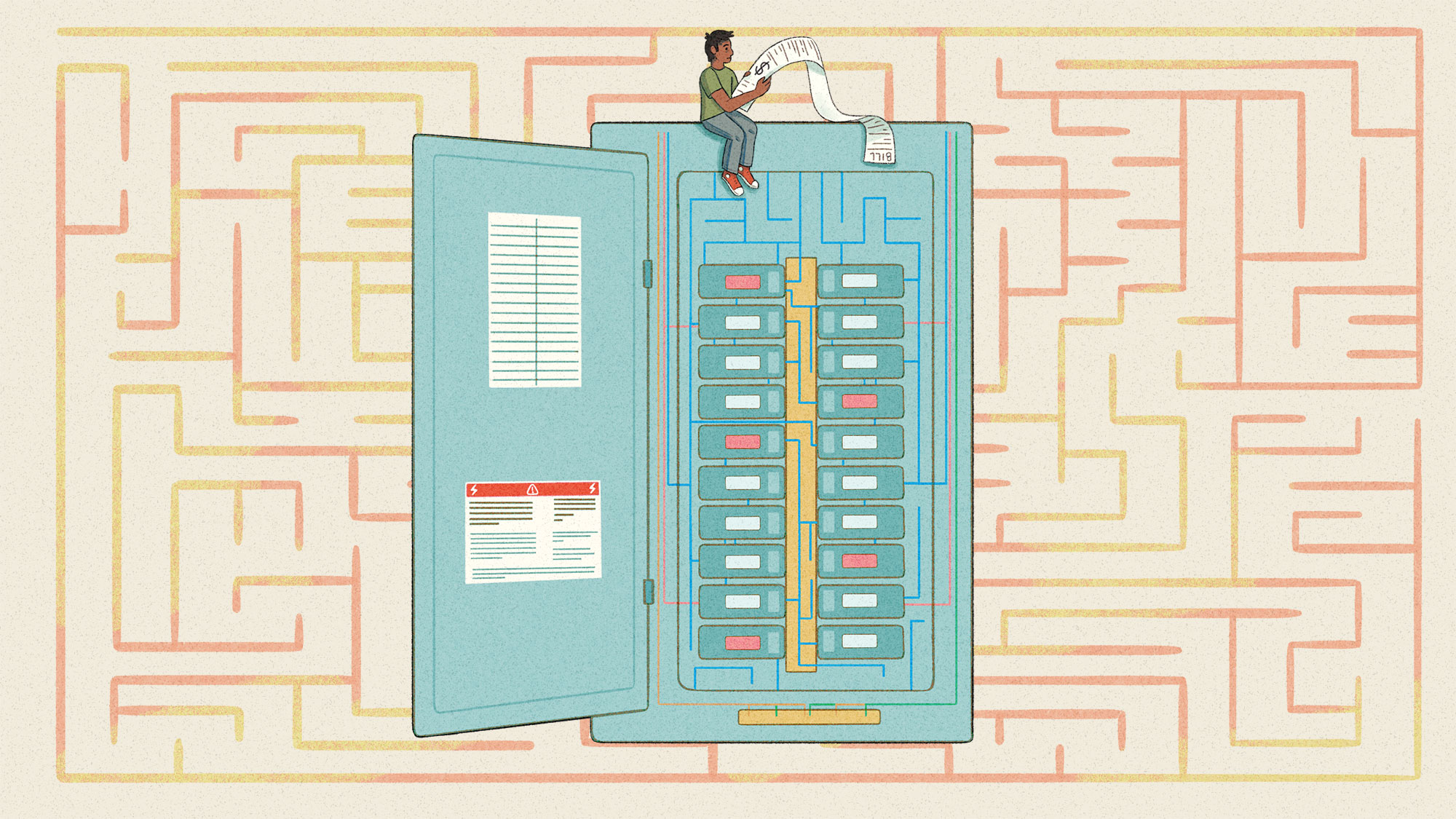
Converting a panel with a smart system requires a large investment. Material costs alone start at around $4,000, while options controlling only a few circuits begin at about $2,000.
Cheaper alternatives include load-sharing switches, or smart splitters. These devices allow two high-demand appliances to share a single circuit so only one runs at a time, meaning only the heavier load counts in a home’s demand calculation.
Each switch costs around $800 depending on the brand. Multiple switches may be necessary to bring a calculated load below the standard threshold, leaving little wiggle room for future energy needs.
National Electrical Code Section 220.87
Utility advisors point out that electricians often rely on standard calculation methods that use the rated loads of all household items to determine theoretical demand. These standard calculations frequently indicate that a home needs a service upgrade when it actually does not.
A lesser-known section of the code, section 220.87, allows the use of actual peak demand data instead of hypothetical usage. Burlington Electric advised one homeowner that this provision can yield a vastly different answer regarding panel capacity.
“We’re finding it really depends on the electrician,” Rossman said, noting that many tradespeople rely on rules of thumb rather than checking actual headroom. The white paper co-authored by Rossman found that few surveyed electricians were aware of the provision.
Overestimated Heat Loss Calculations
System sizing issues extend beyond electrical panels to home heating design. A heat loss calculation defines how much heat a home loses during cold weather, measured in watts room by room, to size a heat pump properly.
An ongoing study by Kevin Kircher at Purdue University and his colleagues examined heat loss calculations provided by tradespeople to roughly 75 US homeowners. “We were surprised,” Kircher said.
The heat loss calculations often led to overestimating the design heat loads by a factor of two or more.
Kevin Kircher, Purdue University
Homeowners also face steep charges for the surveys themselves. Some people reported charges exceeding $1,000, and in one case as much as $2,500, just for a heat loss survey.
Applications Provide Homeowners with Accurate Insights
For homeowners seeking accurate insights, free or partially free applications are available. Cool Calc and AutoHVAC operate in the United States, while UK homeowners can access the web app Heatpunk.