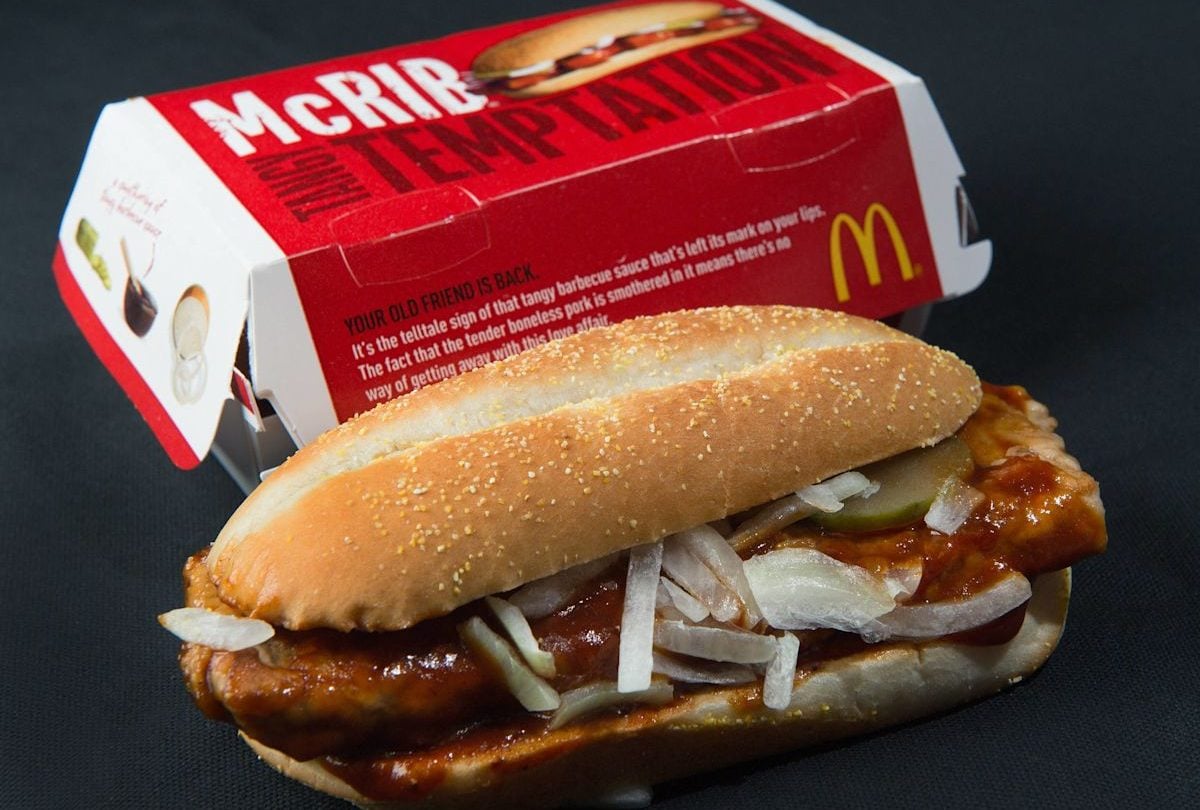
U.S. District Judge April Perry has declined to dismiss a proposed class-action lawsuit accusing McDonald’s of misleading customers into believing its McRib sandwich contains actual pork rib meat. The October 2026 ruling allows consumer deception and fraud claims to proceed as the fast-food giant brings the item back for a limited run.
The fan-favorite sandwich is back in the spotlight, and this time the attention is playing out in federal court. Four consumers filed a proposed class action in December 2025, arguing that McDonald’s uses the sandwich’s name, marketing, and distinctive appearance to lead buyers into thinking they are purchasing a premium pork product.
On October 30, 2026, U.S. District Judge April Perry in Chicago issued a ruling rejecting the company’s bid to throw out the litigation entirely. While dismissing five claims without prejudice, the judge allowed central allegations involving consumer deception, fraud, and unjust enrichment to move forward.
McDonald's is bringing back the McRib on October 27.It will only be available in select cities including Los Angeles, Chicago, Miami, Atlanta, Philadelphia and Dallas. pic.twitter.com/sMaokQsxdr
What the Lawsuit Alleges About McRib Ingredients and Pricing
At the heart of the legal dispute is a deceptively simple question: Does the McRib actually contain rib meat? The plaintiffs argue that it does not. According to the complaint filed in U.S. District Court in Northern Illinois, the fast-food giant molds its boneless pork patty to resemble a rack of ribs while utilizing lower-grade pork products, specifically naming shoulder, heart, tripe, and stomach.
The lawsuit contends that the sandwich’s limited availability and relatively high price — which has climbed as high as $7.89 before tax at certain locations, alongside a common price tag of about $7 — created an impression of a premium offering. The plaintiffs argue that customers would not have purchased the item, or would have paid less for it, had they known its true composition.
To support their claims, the consumers submitted survey data to the court. One survey indicated that 72% of respondents expected the McRib to contain rib meat, while another showed that 67% considered rib meat important or very important when deciding whether to buy the sandwich.
McDonald’s Defense and the Court’s Ruling on Reasonable Consumers
McDonald’s has pushed back strongly against the litigation. In a statement provided to the media, the company defended its menu transparency and food quality, calling the legal challenge meritless.
This lawsuit distorts the facts and the claims are meritless.
McDonald’s, via USA Today
The company maintained that the McRib is made with 100% pork sourced from farmers and suppliers across the United States. Furthermore, representatives specifically denied using heart, tripe, or scalded stomach in the patty, arguing that its publicly available ingredient lists identify pork as the primary ingredient.
McDonald’s also argued that a distinctive product name does not trick reasonable consumers, asserting that the moniker serves as a reference to the sandwich’s flavor profile and presentation rather than a promise of a specific cut of meat.
A federal judge has rejected McDonald's request to dismiss a proposed class action lawsuit accusing it of defrauding consumers by misrepresenting the contents of its McRib sandwich. The plaintiffs accused McDonald's of intentionally shaping McRib patties with ridges to resemble… pic.twitter.com/39ISBKTtFl
Judge Perry rejected the argument that the trademarked name automatically shields the company from liability. She noted that other menu items, such as the McChicken and Egg McMuffin, use names that directly describe their ingredients. The judge also reasoned that purchasers should not be expected to conduct extensive research before buying a fast-food sandwich.
Plaintiffs’ proffered understanding of ‘McRib’ is not unreasonable or fanciful.
Judge April Perry, U.S. District Court in Chicago
Judge Perry added that advertising campaigns highlighting the meat’s rib-like shape could support an allegation of intent to defraud, although she emphasized that the plaintiffs still carry the burden of proof as the case moves forward.
A History and Return to Select Menus
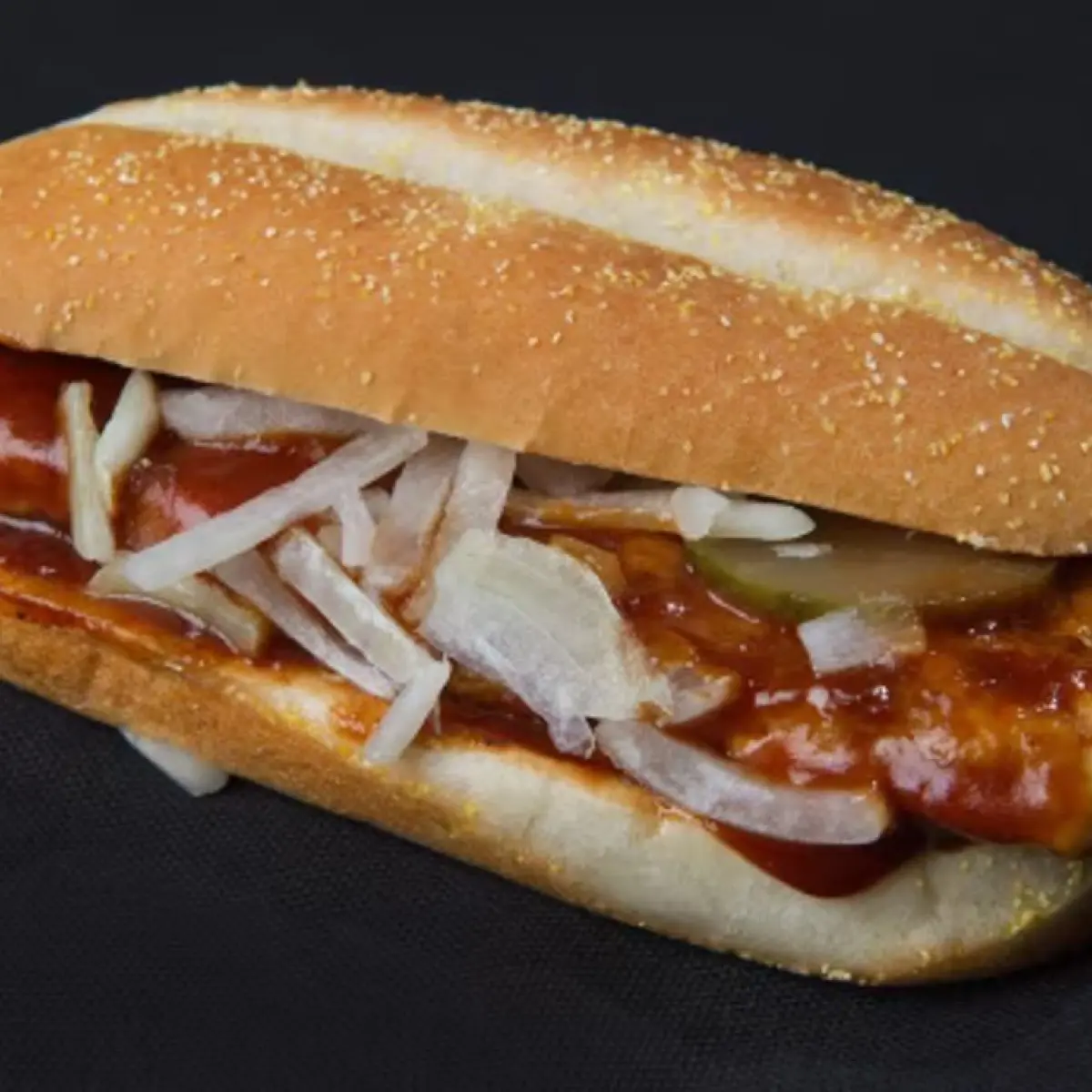
The legal hurdle lands just as the iconic sandwich makes another appearance on restaurant menus. Developed in 1981 by corporate chef René Arend as an alternative during a chicken shortage that hampered supplies of Chicken McNuggets, the McRib features a restructured pork patty coated in barbecue sauce, onions, and pickles.
Over the decades, the sandwich has cultivated a devoted following through a series of periodic disappearances and high-profile returns.
McDonald’s brought the sandwich back for a limited run across select U.S. markets. While the court’s recent decision does not establish that the company engaged in deceptive advertising, it ensures that the fast-food chain must continue defending its marketing practices in court while fans continue tracking the sandwich’s latest return.