Beijing does not want the yuan to dethrone the dollar as the world’s dominant currency, according to Zongyuan Zoe Liu, senior fellow for China studies at the Council on Foreign Relations, writing in Foreign Affairs this month and as reported by Fortune. While China has worked to internationalize the renminbi, it actively seeks to avoid the obligations of operating a global reserve currency.
The Bottom Line:
- China prefers to keep the U.S. dollar on top to avoid the massive obligations and open capital market requirements that come with global reserve currency status.
- Beijing promotes the yuan abroad primarily to prevent the U.S. from weaponizing the financial system with sanctions, similar to the 2022 restrictions placed on Russia.
- While Chinese banks have more than doubled yuan lending to overseas borrowers between 2023 and mid-2026, foreign investors held just 1.6% of the Chinese bond market in March, compared to 27% in the U.S. bond market.
The Strategic Realities Behind the Renminbi
True currency supremacy would require open capital markets, which would immediately threaten the Chinese Communist Party’s tight control over domestic capital allocation. Many Chinese elites rely on offshore dollar holdings as financial insurance against domestic political risks. Consequently, Beijing views the yuan’s internationalization through a pragmatic, defensive lens rather than an aggressive bid for global hegemony.
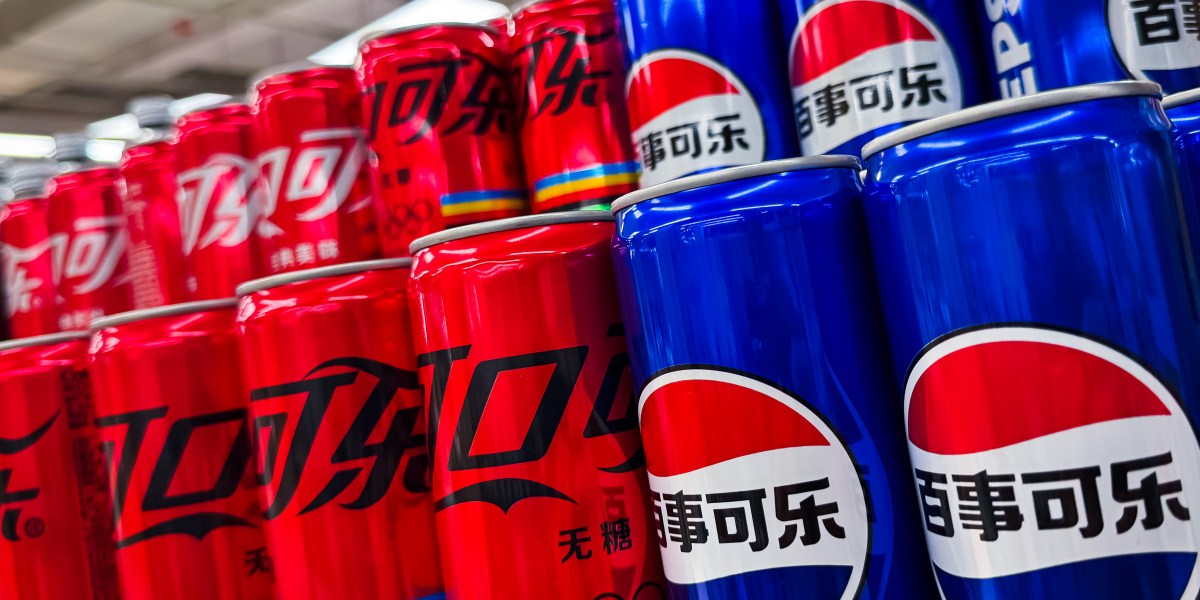
“Placing a respectable second, or even a consequential third, would suffice to break the dollar’s effective monopoly and constrain the United States’ ability to impose financial sanctions unilaterally, while saving China the effort and cost of sustaining currency supremacy,” Liu noted in Foreign Affairs. “From Beijing’s perspective, the mission is to establish the renminbi as the Pepsi to the dollar’s Coca-Cola: never the market leader, but serviceable in a pinch and more than capable of keeping the dominant incumbent honest.”
China Expands Cross-Border Payment System Globally
China currently facilitates renminbi usage among firms in more than 100 countries across a growing array of commodity markets. Data from June shows that its Cross-Border Interbank Payment System had 1,829 participants capable of sending payments to over 5,200 banks across 191 countries. However, this infrastructure remains a fraction of the U.S.-dominated network, which handles vastly more volume and structural depth across pricing, financing, risk transfer, and reinvestment.
Chinese exporters continue to invoice primarily in dollars, converting them to yuan right before bringing funds into China. Even so, Beijing is actively promoting “China prices”—yuan benchmarks on domestic commodity exchanges—and has successfully anchored them for lithium. Financing follows a similar trajectory, with the People’s Bank of China securing currency swap agreements with 32 foreign central banks and monetary authorities.
Capital Controls Limit Foreign Bond Market Investment
Reinvestment remains the weakest link in the yuan ecosystem. A sustainable global currency requires recipients to hold and reinvest their balances rather than immediately convert them. Unpredictable capital controls continue to deter international capital, leaving foreign investors holding a meager 1.6% of the Chinese bond market in March, compared to 27% in the U.S. bond market.
To circumvent this reinvestment hurdle, Beijing is targeting industrial dominance in critical clean energy equipment and electrical infrastructure. If China consolidates its control over this green supply chain, it could gain enough power to price hard-to-substitute exports in renminbi. This dynamic could create the foundation for a “green yuan” that might eventually rival the petrodollar.
Middle East Conflict Challenges Petrodollar Security Setup
Meanwhile, conflict in the Middle East has raised questions regarding the petrodollar, established by a 1974 deal where Saudi Arabia agreed to price its oil in dollars and invest surpluses in U.S. assets in exchange for U.S. security guarantees. Recent military engagements involving Iran have exposed vulnerabilities in regional energy infrastructure and shipping routes.
Deutsche Bank warned in March that damage to Gulf economies could encourage an unwind of foreign asset savings. Market observers are closely tracking reports that passage for commercial ships through the Strait of Hormuz may be granted in exchange for oil payments settled in yuan, marking potential early cracks in petrodollar dominance.
Disclaimer: The information provided in this article is for educational and market analysis purposes only and does not constitute financial, investment, or legal advice. Always consult with a certified financial professional before making investment decisions.