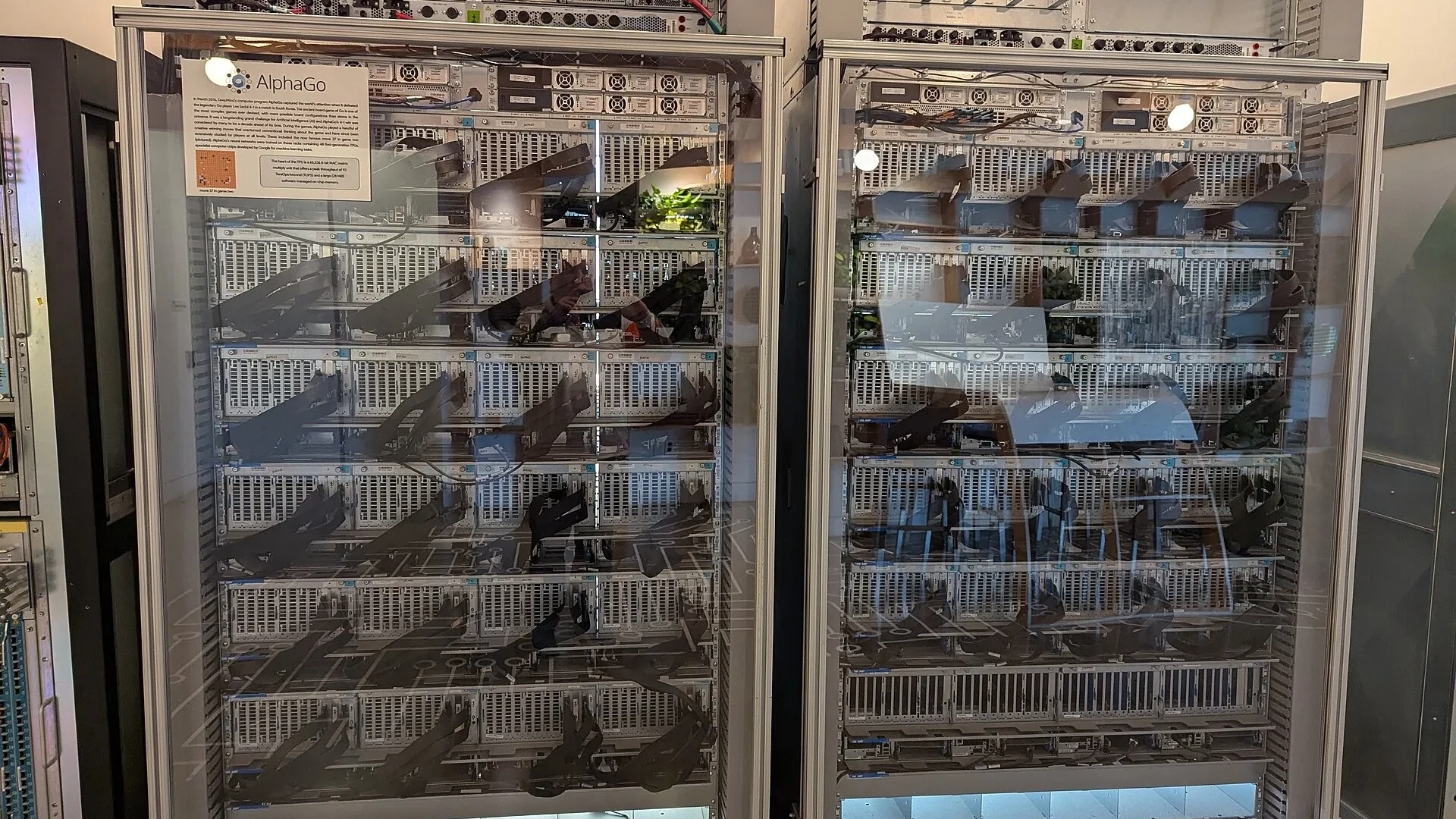
Nvidia’s advanced artificial intelligence chips are reaching buyers inside China through California-based corporate entities with direct Chinese ownership.
Corporate Ownership Structures and U.S. Sales
A CBS News investigation revealed that Nvidia has sold its cutting-edge hardware to at least two U.S.-registered companies that maintain Chinese ownership structures. One of these entities, RiCloud AI, appears on Nvidia’s roster of preferred partners, granting it priority access to high-end chips, software, and technical support.
Public filings cited by The Times of India show that RiCloud operates as a U.S. company, but its ultimate parent organization is Yuxing InfoTech Investment Holdings Limited, which maintains its headquarters in Shenzhen and lists on the Hong Kong stock exchange. Cong Yu, the chief executive and co-owner of Yuxing, holds a degree in National Defence Mobilisation from the People’s Liberation Army Command College.
Another entity identified in the reporting is Aivres, which functions as an elite compute partner on Nvidia’s official website. Aivres previously operated under a different name prior to its Chinese parent organization being placed on a federal blacklist.
A critical national security threat in the Nvidia situation is that Jensen Huang shipped extremely advanced chips to China, violating US export control law, in what amounts to the equivalent of selling rocket engines to the Soviets during the Space Race. This is an unfathomable…
Trade records published by The New York Times indicated that Aivres exported approximately $5.6 billion worth of advanced technology to Southeast Asia between April 2024 and February 2026, with roughly $3 billion of those shipments consisting of computers containing restricted processors.
Corporate records reviewed by investigators also detailed transactions involving Agencia Comercial Spirits, a company primarily known as a small whisky importer with $609,000 in net income during 2025 before listing on the Nasdaq as an artificial intelligence enterprise. This firm entered into a $120 million agreement to lease 300 Nvidia B300 servers to a corporate client in Taiwan.
Export Controls and Transshipment Networks
The current framework governing semiconductor exports has faced intense scrutiny from lawmakers and investigators examining how restricted technology crosses international borders. NBC News reported that a group of 15 national security experts and AI policy leaders urged Attorney General Todd Blanche to examine what Nvidia knew about the alleged diversion of its advanced processors.
Trade records analyzed by CBS News indicate that certain U.S.-based, Chinese-owned firms subsequently leased or sold high-end equipment to operations in Southeast Asia. This activity connects to a broader enforcement push by the Justice and Commerce departments regarding Megaspeed, a Singapore-based cloud provider placed on a U.S. blacklist amid allegations of circumventing export curbs.
Between the years 2023 and 2024, the balance sheet of Megaspeed expanded dramatically. Federal prosecutors filed charges against three individuals in March 2026 in connection with an alleged smuggling scheme where a Southeast Asian intermediary purchased approximately $2.5 billion worth of servers housing advanced artificial intelligence hardware, of which at least $510 million worth were unlawfully transferred to China.
Additional enforcement complications arose when federal prosecutors charged three individuals associated with Super Micro Computer, including its co-founder, regarding an illegal operation to channel roughly $2.5 billion of American technology into China, which included servers packed with Nvidia accelerators.
The Asian vendor “at first denied that he knew where to find high-end Nvidia chips. Then, he relented. After making a few calls to suppliers, he quoted a price of .. around $3 million .. for a server containing eight Blackwell B300s ..”@washingtonpost https://t.co/TMZln9xRaK pic.twitter.com/2jc1EU3gDr
In response to these transshipment risks, Singaporean Prime Minister Lawrence Wong said that his nation would not permit itself to be utilized and abused as a conduit by corporate entities attempting to bypass American trade rules.
Congressional Scrutiny and Political Fallout
The controversy intensified following the reinstatement of Nvidia CEO Jensen Huang, drawing sharp rebukes from Capitol Hill. The Guardian reported that Chuck Schumer accused Huang of shipping extremely advanced technology to China in violation of federal rules.
“This is an unfathomable failure of enforcement by the Trump administration,” Senate minority leader Chuck Schumer said.
“amounts to the equivalent of selling rocket engines to the Soviets during the space race,” Senate minority leader Chuck Schumer said.
Mr. Huang, NVIDIA executives, and the company’s board still owe Congress answers about the company’s compliance with U.S. export controls.
Sen. Elizabeth Warren, a senior Democrat on the Senate Banking Committee
Senators and representatives have raised multiple questions regarding administrative ties, noting that Nvidia contributed $25 million to a White House ballroom project alongside donations to an inauguration fund and attendance at high-profile dinners. Senator Tom Cotton, the Republican chair of the intelligence committee, issued a statement warning the administration regarding the acquisition of advanced microchips through smuggling operations and remote access arrangements.
House Foreign Affairs Committee licensing data released in late May 2026 revealed that the administration approved shipments totaling nearly 900,000 advanced artificial intelligence microchips manufactured by Nvidia and AMD destined for Chinese buyers between December 2025 and May 2026.
Democratic Representative Gregory Meeks characterized the licensing decisions as another instance where connected actors face different standards, while Republican Senator John Curtis said that Huang acted properly by stepping down following disclosures regarding an extramarital affair with Alice Huang, an executive linked to the Megaspeed inquiry.
Global Trade Restrictions and Industrial Shifts
Following the semiconductor scandal, Alibaba CEO Eddie Wu informed the public that his company would concentrate entirely on building domestic computing capacity as the fundamental base for its artificial intelligence technology stack, according to The Globe and Mail.

Mark Shi, a legal professional based in Shanghai specializing in export controls, told the outlet that the primary impact on Chinese enterprises is that they must pivot back to internal hardware resources. Foreign Policy said that the U.S. and China have effectively established a dynamic of mutually assured disruption, where Washington utilizes trade limitations to constrain Chinese manufacturing exports while Beijing maintains the ability to withhold critical rare-earth materials.
In response to these developments, the U.S. Congress has advanced legislative measures, including the Chip Security Act, which Yahoo Finance reported has gained fresh momentum and could be integrated into the upcoming National Defense Authorization Act. Orfonline reported that Chinese President Xi Jinping launched the World Artificial Intelligence Cooperation Organization in July 2026 to promote an alternative framework for technical standards, development strategies, and governance.
Forensic Hardware Analysis and Security Risks
Computer engineering professor Tor Aamodt of the University of British Columbia, who serves as a consultant for Nvidia, explained to Scientific American that physical hardware units cannot execute an unlimited volume of simultaneous workloads because every single individual processor possesses a distinct, small signature. Regarding national security implications, NBC News reported that lawmakers summoned witnesses to examine the former chief executive officer’s role concerning potential breaches of American security.
The New York Times reported that China’s primary civilian intelligence agency orchestrated a multi-year operation specifically designed to secure access to Nvidia’s most advanced computing hardware. In connection with these oversight efforts, CBS News documented that the California subsidiary formerly known as Inspur altered its corporate designation to Aivres after the original parent organization was added to a federal blacklist in March 2023.
Forensic Evidence and Technical Bypass Methods
Independent technical researchers have deployed forensic methods to track the hardware origins of various artificial intelligence models released by Chinese technology firms. Will DePue, a researcher formerly affiliated with OpenAI, published an analysis examining the weights of models from companies including DeepSeek, Moonshot AI, MiniMax, and Ant Group.
His findings indicate that several recent models originated on Nvidia Blackwell chips, which remain barred from export to China, whereas older architectures display traces of the permitted Hopper generation of hardware.
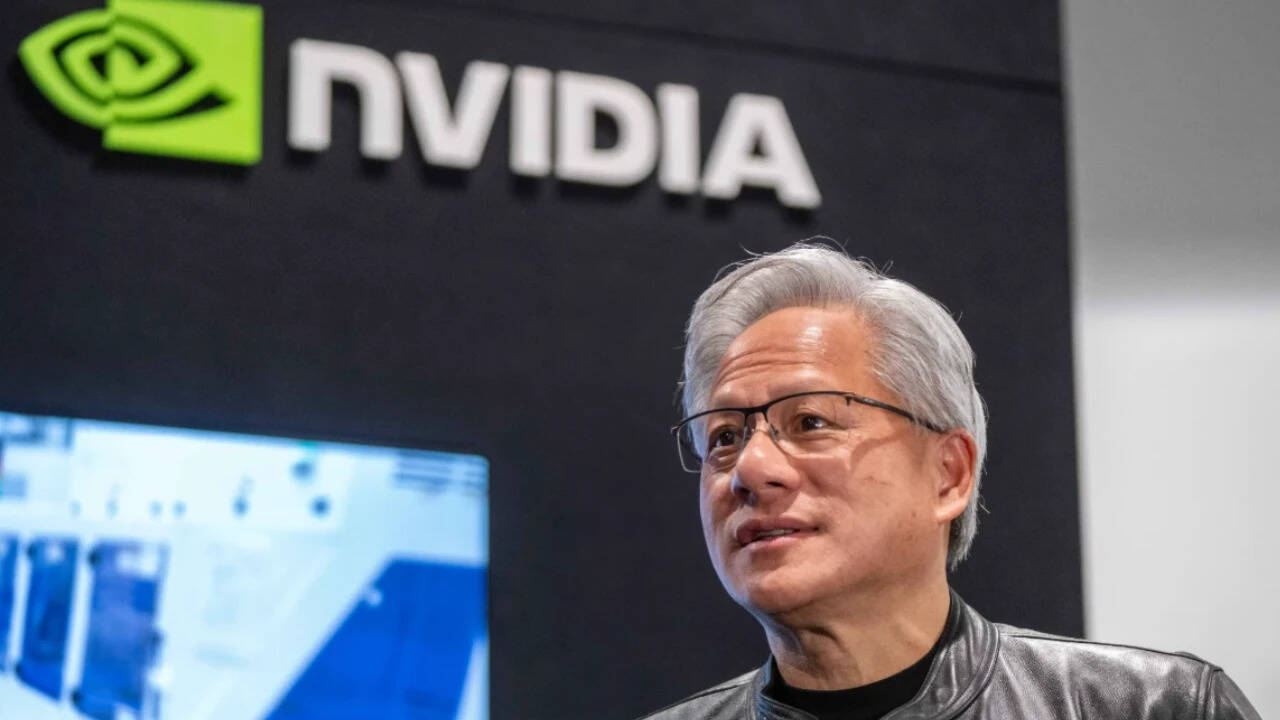
Technical experts note that different generations of graphics processing units contain distinct configurations of streaming multiprocessors, with specific Hopper variants housing 132 processors and Blackwell versions containing 148 or 152. Although these computational fingerprints can be erased, forensic analysis continues to reveal details regarding how restricted hardware is utilized in practice. Meanwhile, Chinese entities have continued to innovate under trade restrictions, exemplified by DeepSeek releasing models competitive with Western alternatives despite regulatory limitations.
Additional hearings are scheduled on Capitol Hill, where lawmakers intend to question executives regarding compliance measures and supply chain transparency as regulatory agencies review transshipment pathways.