Costs for goods and services across the United States rose 0.4% in October, outpacing the 0.3% increase economists surveyed by Dow Jones had projected.
The Bureau of Labor Statistics released the consumer price index figures on Tuesday. Core CPI climbed 0.3% for the month, beating forecasts for a 0.2% gain. In September, headline CPI had risen 0.6% while core increased 0.3%.
Traders using the CME Group’s FedWatch tool are pricing in a 91% chance of a quarter-point rate hike and a 9% chance of a half-point rate hike for the Federal Reserve meeting scheduled for December 8–9. The probability of a larger half-point rate hike jumped to 13.6% according to the CME Group’s FedWatch tool, after being around zero before the inflation report.
The two-year Treasury yield, which tracks near-term central bank policy expectations, surged 17 basis points. That marked the largest single-day jump for the two-year yield since April 2025, when the unveiling of tariffs by President Donald Trump roiled financial markets.
💥 NEWS – CPI comes in hot: a December hike is back on the table 📊 The print – Headline CPI rose +0.4% in October vs +0.3% forecast (September was +0.6%) – Core CPI rose +0.3% vs +0.2% forecast — the third straight month at +0.3% – No year-over-year rate this time: October… pic.twitter.com/jM6iJZlr8Y
The benchmark 10-year Treasury yield rose 10 basis points to 4.98%, briefly crossing above 5% during trading sessions. Demand proved soft during a Tuesday auction of 10-year notes, according to market strategist Peter Boockvar.
Fed Governor Christopher Waller indicated ahead of the release that a hot inflation print could prompt him to support a half-point increase in December. Speaking in London, Waller said that core CPI around 0.3% would justify a stronger policy adjustment.

“Hiking only 25 basis points [a quarter point] would put our credibility at risk, a risk I am not eager to take.”
Chris Waller
Dallas Fed President Lorie Logan also called for continued tightening, telling an audience in Houston that the central bank needs at least two additional quarter-point increases. Logan said that the consumer price data was “higher than expected” and expressed concern that the personal consumption expenditures price index could also accelerate.
“After two more increases are in place, it would make sense in my view to pause and examine economic and financial developments to determine what further action may be appropriate.”
Lorie Logan
Energy costs rose 0.7% in October, led by a 1% increase in gasoline prices, even as overall pump prices fell in recent weeks. Natural gas dropped 0.8%.
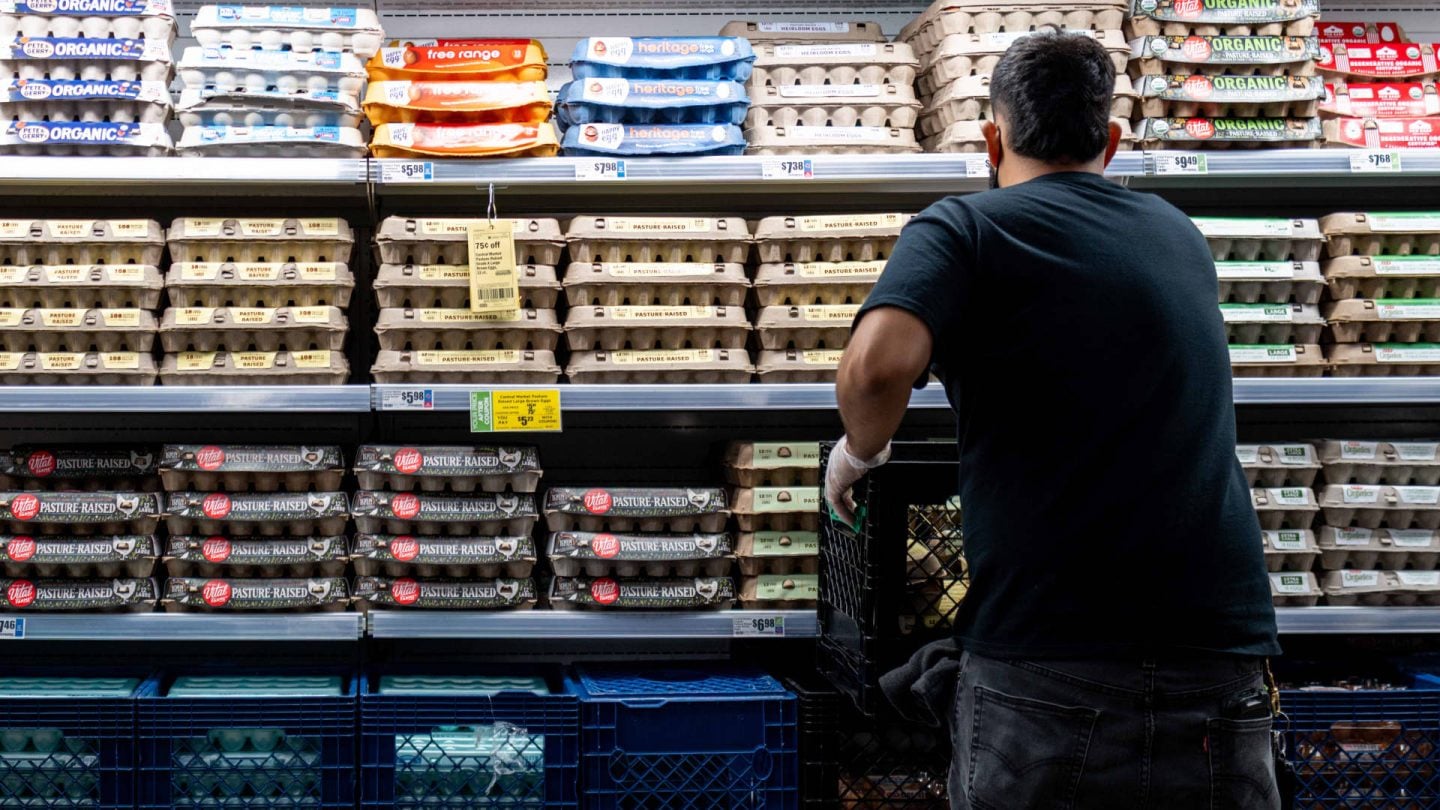
Food costs accelerated 0.5%, driven by a 1% jump in snacks, 0.9% for beef, and 0.5% across meats, poultry, fish, and eggs. Shelter costs increased 0.3%, accounting for over 30% of the headline gain.
🚨 Today's inflation report could make things much worse. U. S. inflation has come in hotter than expected AGAIN, and the possibility of a 50-basis-point rate hike in December is now back in focus. October CPI data: • Headline CPI: +0.4% vs. +0.3% expected. • Core CPI: +0.3%… https://t.co/XNPvAP0yHw pic.twitter.com/6zHf6IFaM5
Philadelphia Fed President Anna Paulson said that tariffs, energy prices, and artificial intelligence infrastructure spending remain main factors keeping inflation elevated, though she cited research suggesting tariff effects are “beginning to fade.” Paulson said that Tuesday’s data proves “inflation pressures are still very much with us.”
A net 37% of businesses surveyed by the National Federation of Independent Business in October reported plans to raise prices over the next three months, marking the highest reading since July 2022.
Santander chief US economist Stephen Stanley said in a note that he expects a quarter-point hike in December, though he cautioned that persistent inflation could jeopardize expectations for a pause in 2027. Vail Hartman, US rates strategist at BMO Capital Markets, summarized the market shift in a note, pointing to October data and hawkish rhetoric as catalysts for a reassessment of policy tightening.