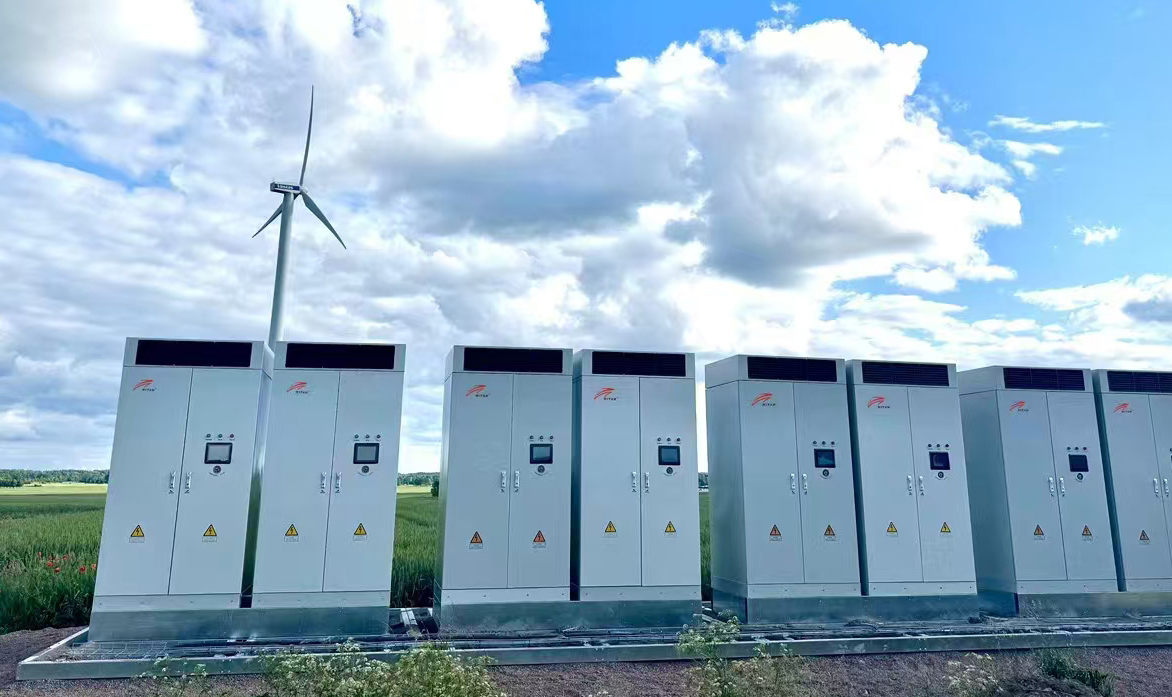
Permits, grid access, and final investment decisions are finally mapping out the operational horizon for Sweden’s battery energy storage systems, bringing a wave of heavily anticipated pipeline capacity closer to the market.
Solarplaza reported that key milestones across multiple flagship projects are shifting developers from the planning phase into actual construction and operational readiness. Smedjebacken has successfully secured both its environmental permit and a grid connection, while Fageråsen reached a final investment decision in July 2026. Meanwhile, Flower confirmed in its second-quarter report that the Pajkölen project is actively under construction, setting up a clash with evolving grid limits and tightening reserve requirements.
The Bottom Line:
- Smedjebacken secured its necessary environmental permits and grid access, clearing the runway for physical build-out.
- Fageråsen hit its final investment decision milestone in July 2026, anchoring capital allocation in the Nordic storage pipeline.
- Flower formally logged Pajkölen as under construction in its second-quarter report, marking tangible progress for regional capacity.
Grid Connection Limits Dictate Total Revenue Generation
Securing an interconnection point is only half the battle for asset owners in the Nordic region. Once these systems go live, total revenue generation relies heavily on site-specific grid connection limits and how generation assets are managed alongside storage. Ancillary service demand dictates cash flow. Svenska kraftnät altered its operational playbook in January 2026 by utilizing real-time weather data and failure scenarios to forecast next-day manual Frequency Restoration Reserve (mFRR) needs.
By August, the system operator expanded its initial static requirement buffer of 10% to 20% above and 10% below for downward regulation. This adjustment allows Svenska kraftnät to buy more capacity during high-forecast hours and scale back when grid stress drops. Yet, access to those lucrative reserve revenues depends entirely on strict technical classifications. Nordic operators capped static FCR D Up resources at 50% of total demand beginning September 30, 2026. Asset owners failing to verify their specific qualification categories risk finding a substantial portion of their available capacity shut out from competing on equal terms.
Svenska Kraftnat Prepares to Connect to PICASSO Platform
The regulatory framework refuses to stand still. Svenska kraftnät is preparing to connect to the European PICASSO platform to launch an automatic Frequency Restoration Reserve (aFRR) energy activation market in the fourth quarter of 2027. For developers currently building out long-dispatch assets, this platform represents a critical prospective revenue route, assuming their systems clear the regulatory hurdles at launch.
RaboResearch maintains that ancillary services will continue to support one- to two-hour systems across the broader Nordic market. However, the sheer scale of the projects profiled by Solarplaza highlights a clear divergence in development strategies. Their ultimate profitability rests on aligning technical design and geographic placement with shifting market access rules.
Industry Gathering in Stockholm
The commercial realities facing these developments will take center stage at the upcoming fourth Solarplaza Summit Sweden PV & Storage, scheduled for March 10, 2027, in Stockholm. Industry experts from every corner of the energy sector plan to dissect the economic decisions driving Sweden’s solar and battery storage build-out.
Discussions on the docket include battery energy storage system offtake structures in an increasingly competitive market, trading strategies built to weather power price volatility, and operational case studies measuring actual performance against original investment models. Bankability and evolving regulatory policies will round out the evaluations.
Disclaimer: The information provided in this article is for educational and market analysis purposes only and does not constitute financial, investment, or legal advice. Always consult with a certified financial professional before making investment decisions.