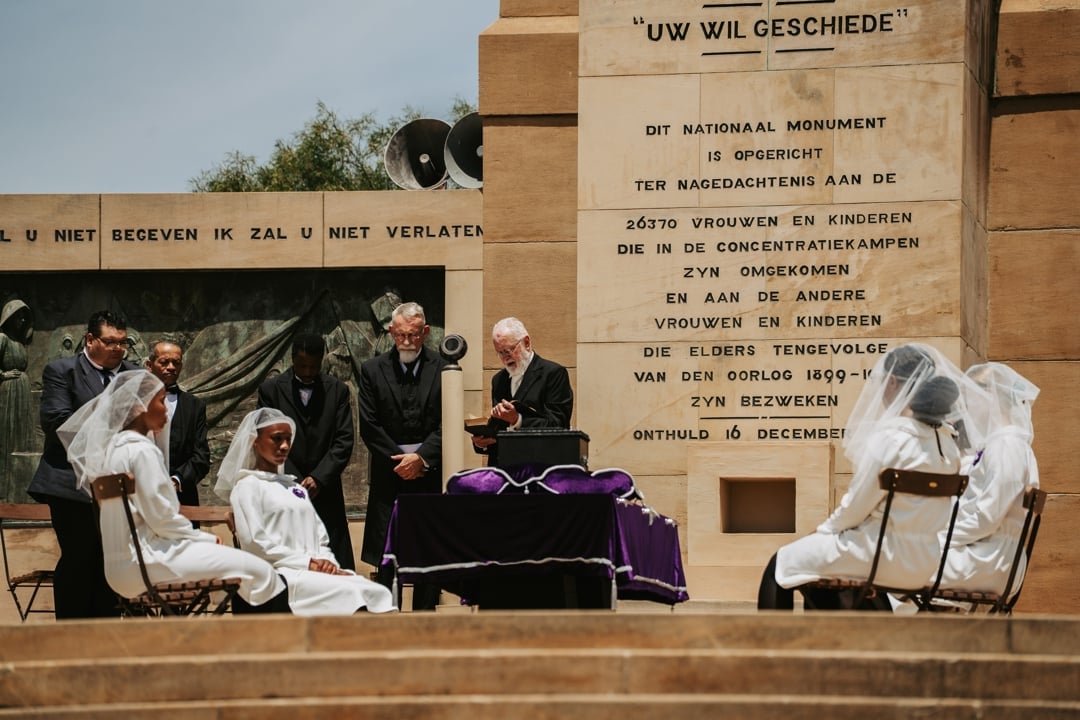
South Africa commemorated the life and legacy of British humanitarian Emily Hobhouse on Saturday, October 31, highlighted by a large-scale reenactment of her 1926 funeral in Bloemfontein involving over 600 participants.
Reenacting the 1926 Bloemfontein State Funeral
More than 600 people participated in the reenactment at the National Women’s Monument. The Emily100 commemoration set out to recreate the 1926 state funeral as faithfully as possible. A total of 650 people took part. The procession closely mirrored the historical events of October 1926, featuring 200 girls from the Eunice and Oranje schools walking ahead of a small black casket carried on a purple cushion while holding palm fronds. Mourners dressed in academic gowns and mortarboards followed alongside a vintage Ford and riders on horseback, while a school choir sang songs of the period as thousands attended the gathering.
Organizing the international commemoration required coordination from a team based in St Ive, Cornwall, home to The Story museum. Opened in 2024, the immersive historical experience and museum is bringing her story to international and UK audiences. The attraction received a THEA award and earned Silver in the National Visit England Awards earlier in the year, with organizers already looking ahead to a Victorian Christmas at St Ive and further plans extending into 2027.
Challenging an Empire During the Anglo-Boer War
Operating as a whistleblower during an era when women lacked formal political voice, she demanded that injustices be recognized and corrected while challenging a powerful Empire to face its abuses at great personal cost.
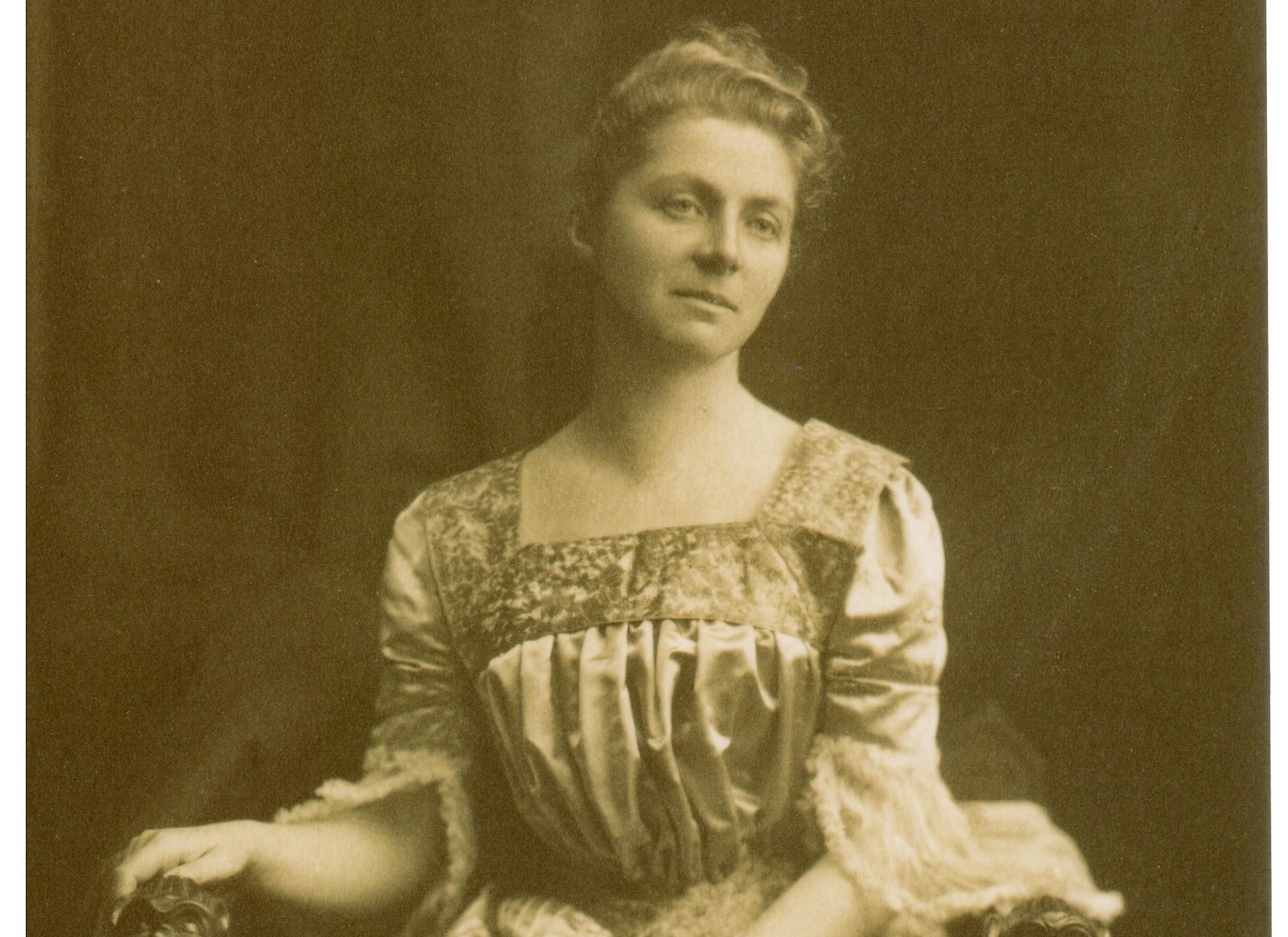
In South Africa, however, she earned lasting recognition as a national heroine, and she is now increasingly recognized as one of the most significant humanitarian figures in UK history.
General Jan Smuts Recalled Spiritual Values at the Original Funeral
During the original state funeral in October 1926, General Jan Smuts spoke of the spiritual force that emerges through suffering, anguish, and sorrow.
In the end, the spiritual values of life are supreme.
General Jan Smuts, via Novanews
One hundred years later, participants and commentators connected her history to personal awakenings, recalling school history lessons and visits to the Voortrekker Monument in Bloemfontein. Observers pointed to her reliance on simple tools—a pen and a voice—as proof that meaningful human rights advocacy does not require an army or a government, but rather extraordinary conviction and faithfulness to what has been entrusted.