The United Kingdom will secure a voice without a vote on European Union food policies under a planned Brexit reset.
Minister for EU Relations Hamish Falconer outlined the terms ahead of a summit where Prime Minister Andy Burnham aims to finalize the arrangement. The reset package is designed to cut border red tape and reduce export costs for British businesses.
Extensive Paperwork Burdens Businesses Sending Goods Across the Channel
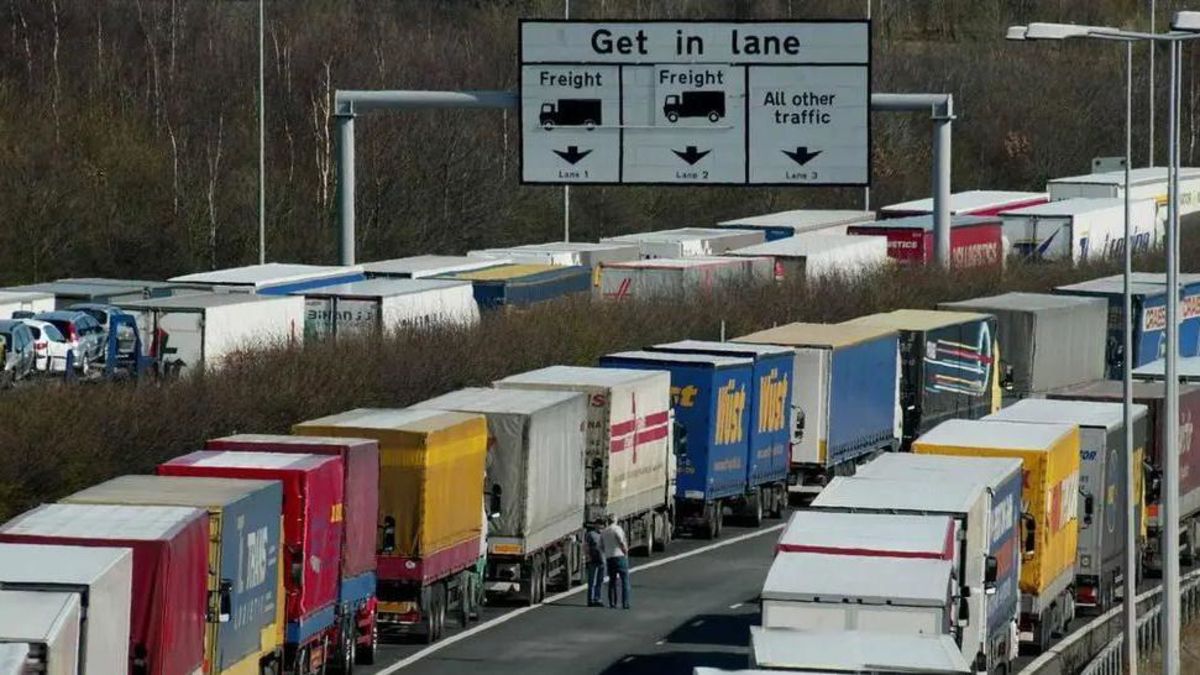
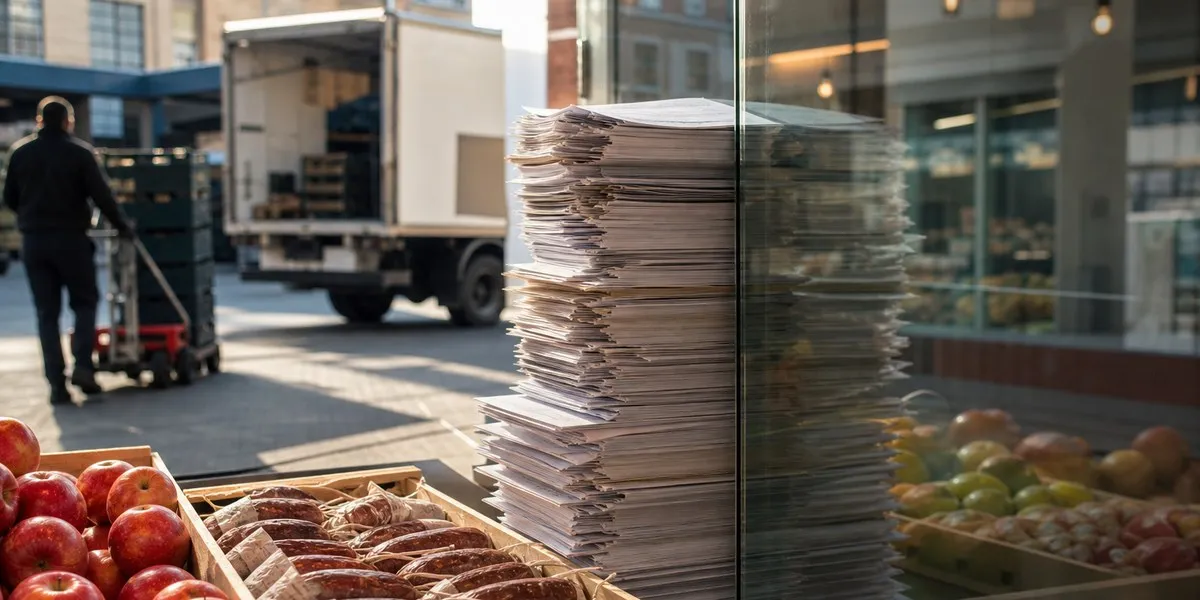
Trading rules demand extensive documentation for businesses sending goods across the Channel. Falconer said that some Marks & Spencer trucks require upwards of 300 pages of paperwork, including veterinary certificates, phytosanitary paperwork, and border control documents.
The administrative burden has forced some suppliers to abandon EU exports entirely. Certain traditional goods, such as Lincolnshire sausages, have become nearly impossible to supply to European markets under existing rules.
The agreement would eliminate post-Brexit checks on goods moving from Great Britain to Northern Ireland and scrap separate “Not for EU” labeling requirements.
The Agreement Adds Value to Food and UK GDP
The food component of the reset is projected to deliver an additional £5bn in value, while the wider agreement is calculated to add 0.4% to UK GDP. The accord also covers emissions trading rules and a youth mobility scheme.
Falconer said that lower compliance costs for importers should translate to lower prices for consumers. Speaking at a Marks & Spencer food court in central London, he explained the domestic rationale for the changes.
This will mean less cost for supermarkets, and I hope that less cost then turns into cheaper produce on the shelves.
Hamish Falconer, Minister for EU Relations
Opposition Parties Criticize the Deal Despite an Exit Clause
The proposed reset has drawn criticism from opposition parties. The Conservative Party warned that the agreement leaves British businesses and consumers “dangerously exposed” with no power to reject regulations. Both the Conservatives and Reform said they would scrap the reset if they return to power.
To hedge against political changes, the deal includes an exit clause in case a future government reverses course. Falconer said European anxieties regarding potential reversals are understandable.
The EU is worried about that and you can see why.
Hamish Falconer, Minister for EU Relations
The provision stems directly from European concerns over the potential financial burden of rebuilding border safety infrastructure once it is dismantled.
Agricultural Sector Reactions
National Farmers’ Union President Tom Bradshaw welcomed the prospective reduction in inspections and paperwork. At the same time, he described the arrangement as “a moment of opportunity and risk” for domestic producers.
Bradshaw said that food exports to the EU have fallen by over a third since 2019. He advocated for a pragmatic approach to future regulations, specifically pointing to pesticides and precision breeding, such as gene-edited crops like vitamin D-enriched tomatoes, as areas for potential compromise.