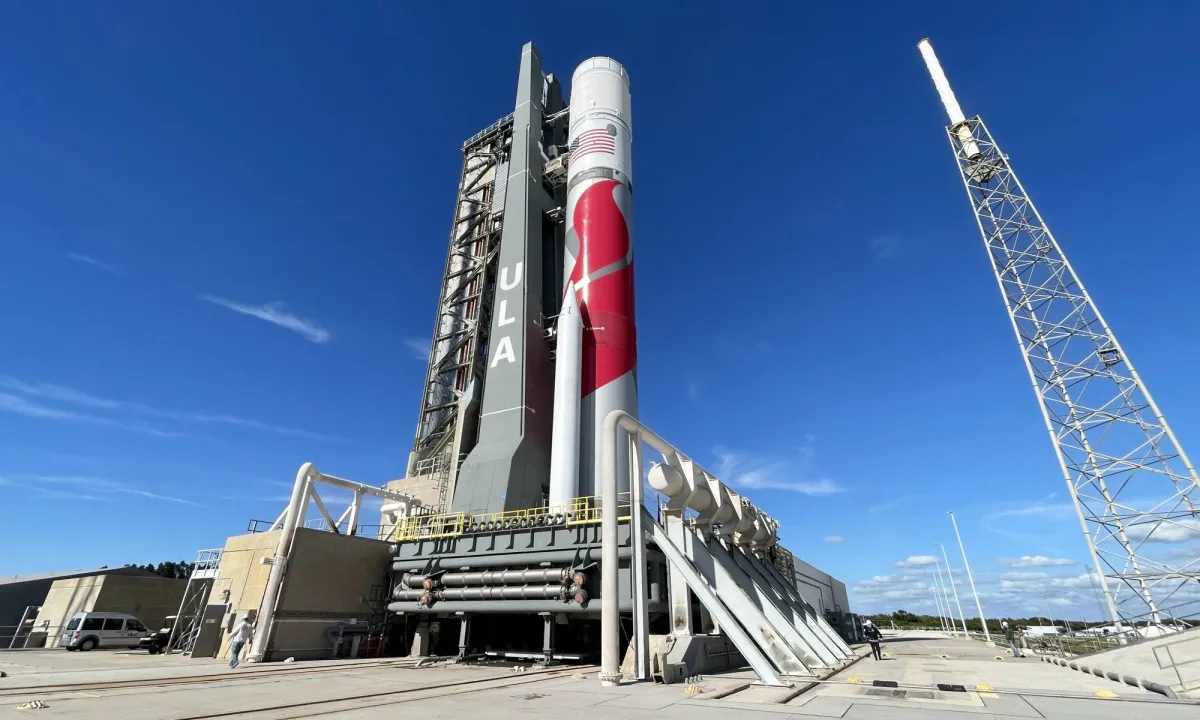
The Vulcan rocket failed approximately 10 minutes after launch on Sunday, destroying 40 Amazon satellites intended for its Leo internet constellation.
The United Launch Alliance (ULA) rocket suffered a malfunction shortly after lifting off from Space Launch Complex 41 at Cape Canaveral, Florida. The launch happened at 12:40 local time (17:40 GMT). This mission marks the first failure for the ULA since the company was established in 2006 through a merger of Boeing and Lockheed Martin programs.
Amazon confirmed that the loss of the 40 satellites represents a setback in its race to deploy a global satellite internet network to compete with Elon Musk’s SpaceX Starlink. The company noted that any launch involves risks, particularly during initial missions.
And LIFTOFF of the first Vulcan Amazon Leo mission, carrying 40 broadband satellites to low Earth orbit! pic.twitter.com/dv1MSjJUMF
According to a statement from ULA, the Vulcan vehicle experienced a failure 10 minutes into its flight and failed to deliver the Amazon payload to its intended orbit. The failure appeared to occur following the separation of the second stage, which carried the satellites, from the first-stage booster.
The primary stage is powered by BE-4 engines provided by Blue Origin. While the exact cause remains under investigation, flight data indicated the boosters operated during the opening minutes, but the main stage encountered a disturbance that caused the BE-4 engines to continue running longer than planned before the rocket began rotating abnormally.
This mission was the fifth Vulcan flight since its 2024 debut and the first in nine months, following pauses due to separate technical investigations into the solid-fuel side boosters and the BE-4 engines.
Blue Origin is participating in the investigation into the failure, according to a source reported by Reuters. In August, ULA spokesperson Jessica Ray told Reuters that previous engine issues had led the company to make modifications to the engines delivered for use in Vulcan. It remains unclear if the BE-4 engines played a role in Sunday’s failure.
NEWS 🚨: ULA's Vulcan rocket failed about 10 minutes after launch, and all 40 Amazon Leo satellites aboard were lost It is United Launch Alliance's first total mission failure since the company formed in 2006 pic.twitter.com/z4qco2mz7s
The lost satellites were part of the Amazon Leo constellation. Amazon aims to build a massive network of satellites to provide high-speed internet to hard-to-reach areas. Since April 2025, the company has deployed 398 satellites through 14 launches. This represents about 12% of the 3,236 satellites required for the network.
| Metric | Value |
|---|---|
| Total Target Satellites (Phase 1) | 3,236 |
| Satellites Deployed Since 2025 | 398 |
| ULA Launch Contract with Amazon | 38 missions |
| Vulcan’s Role in Network | Expected to launch nearly half of first-generation satellites |
Amazon has expressed confidence that ULA will learn from this mission to continue its long-term plans for the Vulcan rocket. The company is already preparing for a subsequent launch of 36 satellites using an Arianespace Ariane 6 rocket, scheduled no earlier than November 23, from the European Space Center in French Guiana.
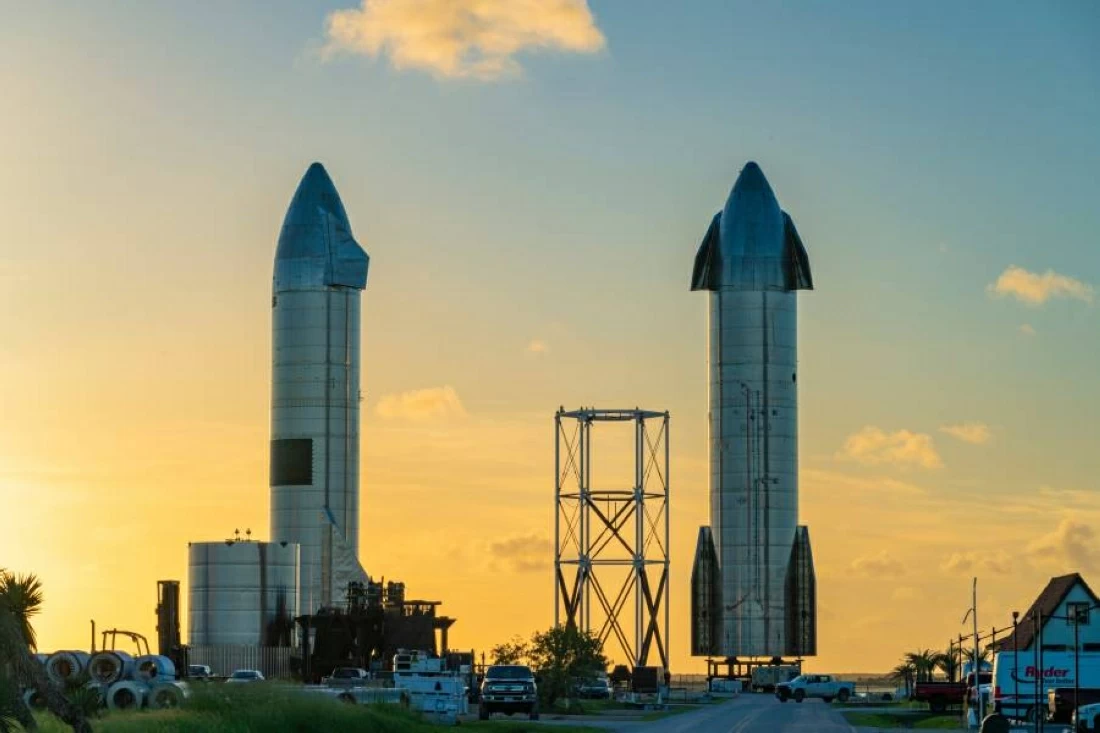
This incident occurs during a period of intense competition in the satellite internet sector. Just one day prior to the Vulcan failure, SpaceX successfully deployed 26 Starlink satellites during a test flight of its massive Starship vehicle, which also achieved its first spacecraft recovery.

The failure of the Vulcan rocket may result in a lengthy technical investigation that could keep the vehicle out of service for months. Amazon also relies on Blue Origin’s New Glenn rocket, which has been out of service since an explosion occurred during a test in May. What will the results of the investigation show?
Earlier coverage: ULA Vulcan Rocket Fails Amazon Mission, 40 Satellites Lost