United Launch Alliance lost 40 Amazon internet satellites when its Vulcan rocket suffered an anomaly ten minutes into a November 15, 2026, flight (resulting in the loss of 40 Amazon internet satellites).
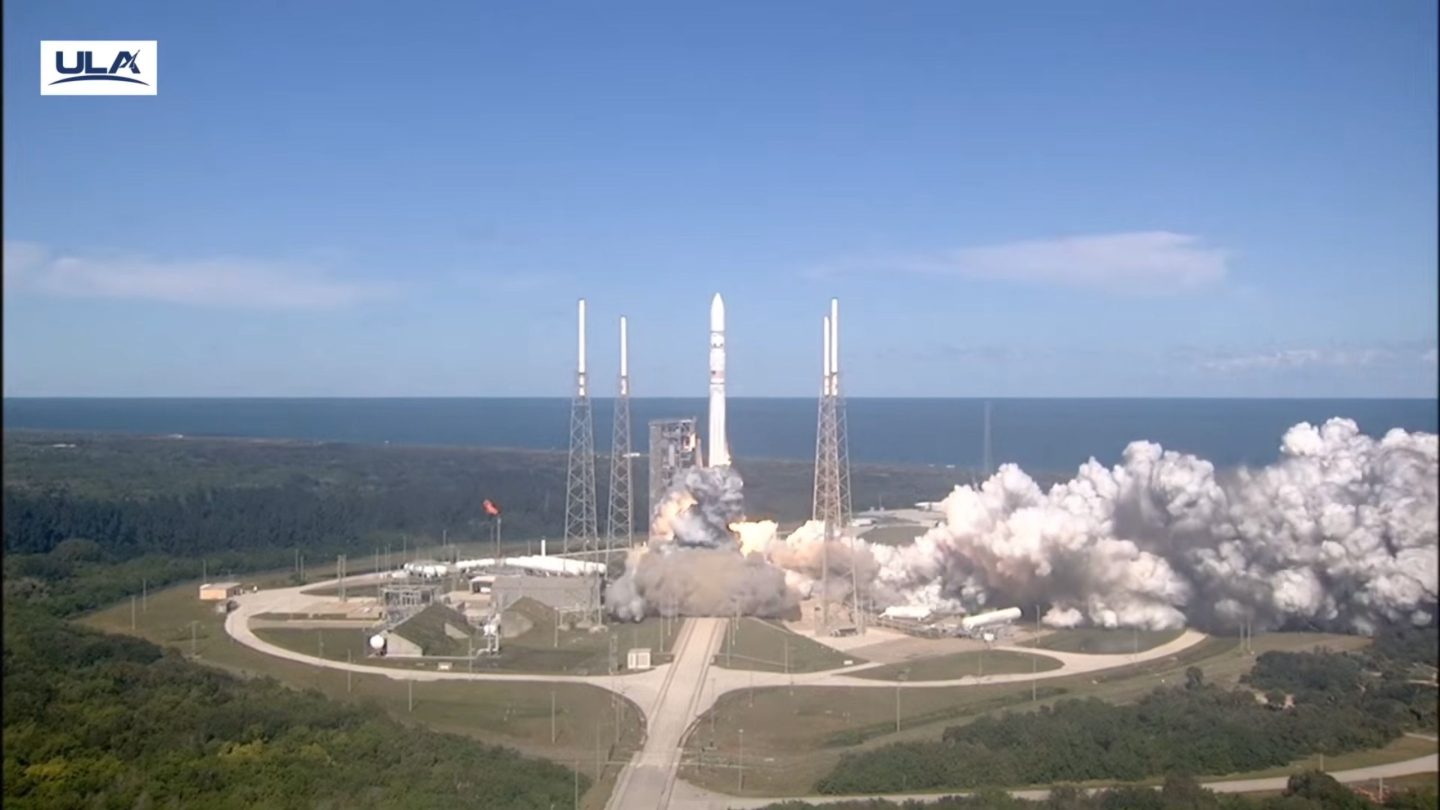
The Vulcan Centaur lifted off from Florida’s Cape Canaveral Space Force Station at 12:40 p.m. ET. It hauled 40 satellites for the Amazon Leo broadband constellation toward low Earth orbit. The mission marked the rocket’s return to flight.
A nine-month grounding preceded the flight after a February 12 national security mission for the U.S. Space Force.
Based on data received by our Launch Director, we confirm that the Vulcan vehicle launched from Space Launch Complex 41 suffered an anomaly 10 minutes into the flight and failed to deliver the Amazon mission to orbit. Every flight generates data, and every flight teaches us…
Teams worked through an initial delay caused by a power interruption in an Air Liquide gaseous nitrogen plant. The issue shut down high-pressure pumps. ULA rescheduled the liftoff from Friday to Sunday.
The vehicle experienced an anomaly during ascent ten minutes after leaving Space Launch Complex 41. United Launch Alliance confirmed the failure via an update on X issued 50 minutes after liftoff. The vehicle failed to deliver the Amazon mission to orbit.
The launch of a United Launch Alliance Vulcan rocket carrying the Amazon Leo 1 mission is delayed due to a power interruption in the Air Liquide gaseous nitrogen (GN2) plant which resulted in the loss of their high-pressure pumps. Without confirmation of sustained commodity flow,… pic.twitter.com/e6fHPwG6LO
Since the anomaly just occurred, we don’t have any specific data yet to understand what occurred today.
United Launch Alliance
Don Platt said a successful flight would have signaled to the space community that another launch provider was online. He is the Spaceport Education Center’s Director at Florida Tech. People want alternatives and a healthy market.
Sunday’s flight introduced several major modifications. The rocket used its maximum configuration of six solid rocket boosters. It also flew a shorter, optimized version of ULA’s Centaur V upper stage and a redesigned booster nozzle.
Vulcan’s second flight occurred in October 2024. Its fourth flight happened on February 12, 2026. A solid rocket booster nozzle burned through and fell off about 30 seconds after launch on both flights. The rocket reached orbit on both prior occasions. The Space Force grounded subsequent missions while investigations proceeded.
ULA leadership said flight data from Sunday’s configuration held value.
By flying the improved design, ULA gains valuable flight data that validates these improvements and is the most beneficial path in support of all our customers.
United Launch Alliance
The lost cargo was part of a contract for 38 Vulcan flights. They were designed to launch more than 1,500 first-generation Leo satellites. Amazon requires frequent heavy-lift launches to scale its constellation.
Before Sunday’s attempt, Amazon deployed nearly 400 satellites. Atlas V, Falcon 9, and Ariane 6 rockets carried them. The company maintains a diversified launch strategy. Arianespace and Blue Origin have upcoming flights scheduled.
And LIFTOFF of the first Vulcan Amazon Leo mission, carrying 40 broadband satellites to low Earth orbit! pic.twitter.com/dv1MSjJUMF
More on Cape Canaveral Space Force Station
United Launch Alliance ended the webcast of its return to flight Vulcan mission, carrying Amazon LEO satellites, early and before payload deploy. Not a great sign, but we don't know what happened yet.https://t.co/g5ES2ZdRqr
United Launch Alliance plans to launch 40 Amazon internet satellites from Cape Canaveral tomorrow, helping expand access to communities beyond the reach of existing networks. Florida’s Space Coast keeps America leading in space. I’m proud of the skilled workers and engineers…