Samsung faces a potential U.S. import ban on the Galaxy S25 series after the International Trade Commission ruled that the company infringed on a camera-related patent held by the Japanese electronics firm Maxell.
USITC Decision Targets Camera Patent
The U.S. International Trade Commission issued a final determination in Investigation No. 337-TA-1432, concluding that Samsung violated Section 337 of the Tariff Act of 1930. The trade dispute centers on U.S. Patent No. 11,490,004, titled “Mobile terminal.” The patent describes a viewfinder and camera interface element that guides or frames objects in the camera app.
Federal Register Document 2026-24208 successfully brought a close to the patent litigation launched by Kyoto-based Maxell, Ltd. against Samsung Electronics Co., Ltd. and Samsung Electronics America, Inc., following official approval via a Commission vote on November 24, 2026, and its subsequent public inspection release on November 27, 2026.
Maxell originally filed its trade complaint in December 2024, asserting six patents before the scope narrowed to five during the probe. Investigation No. 337-TA-1432 was officially instituted on January 23, 2025, based on Maxell’s complaint, initially examining six patents covering mobile camera, power management, and interface architectures.
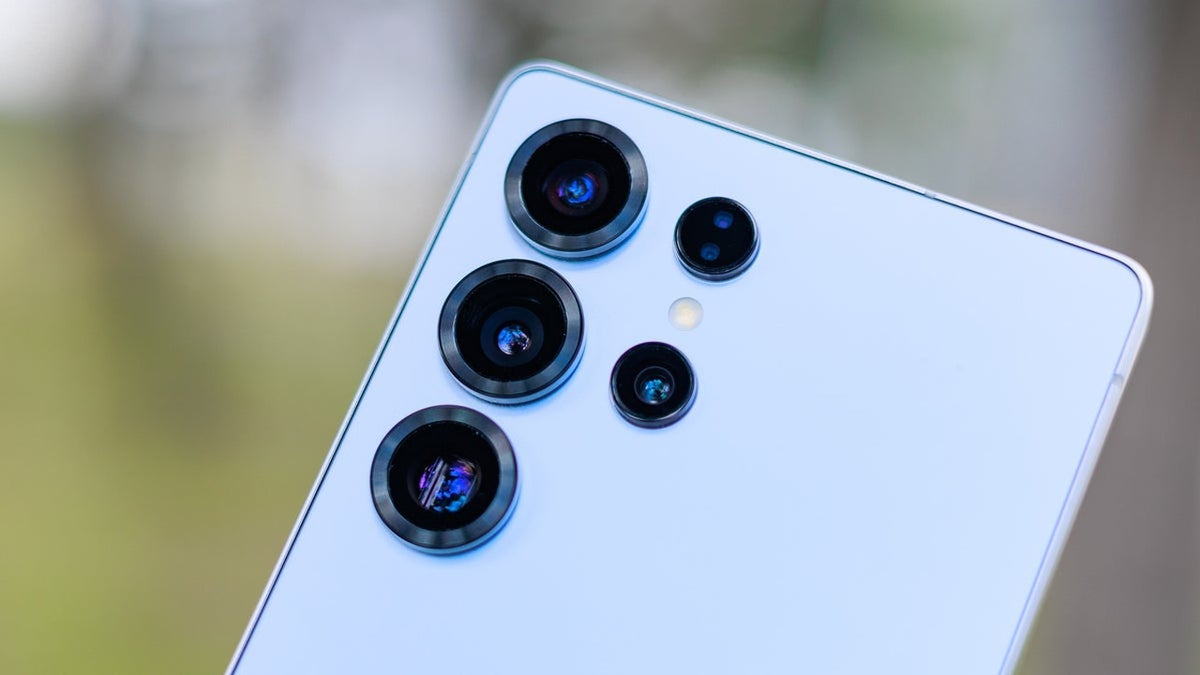
The Commission affirmed violation findings solely on the ‘004 patent while invalidating claim 9 of the ‘953 sensor patent and finding no technical domestic industry or non-infringement across the remaining contested patents. The Commission found Samsung infringed one of the five patents still in the case, while finding no violation on the other four.
White House Reviews Import Ban
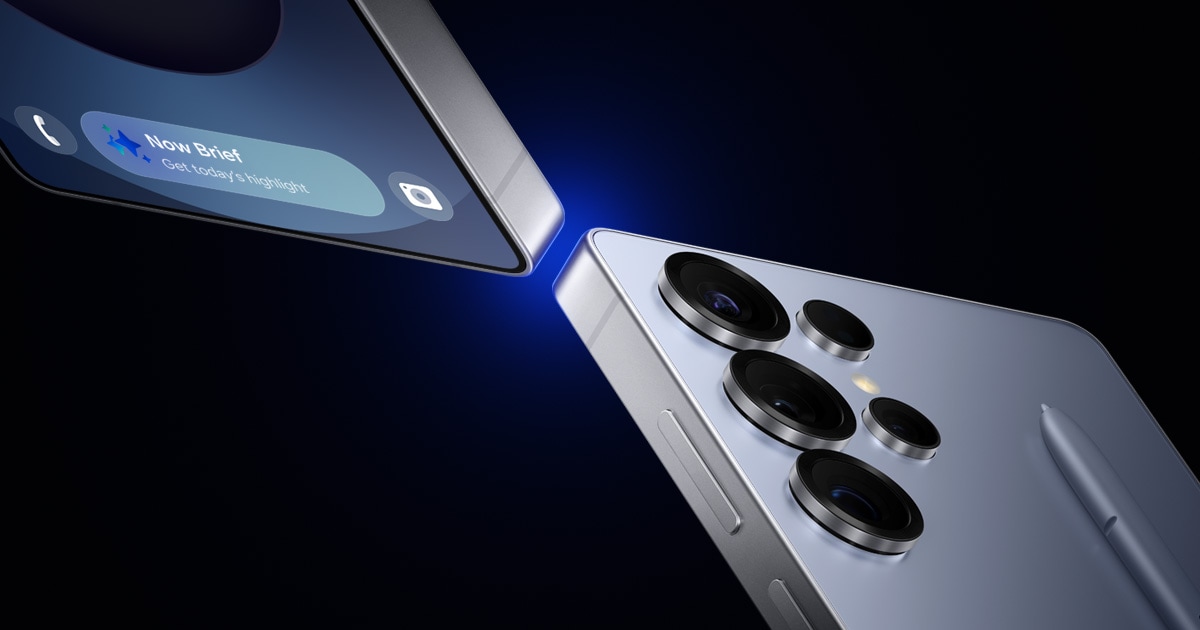
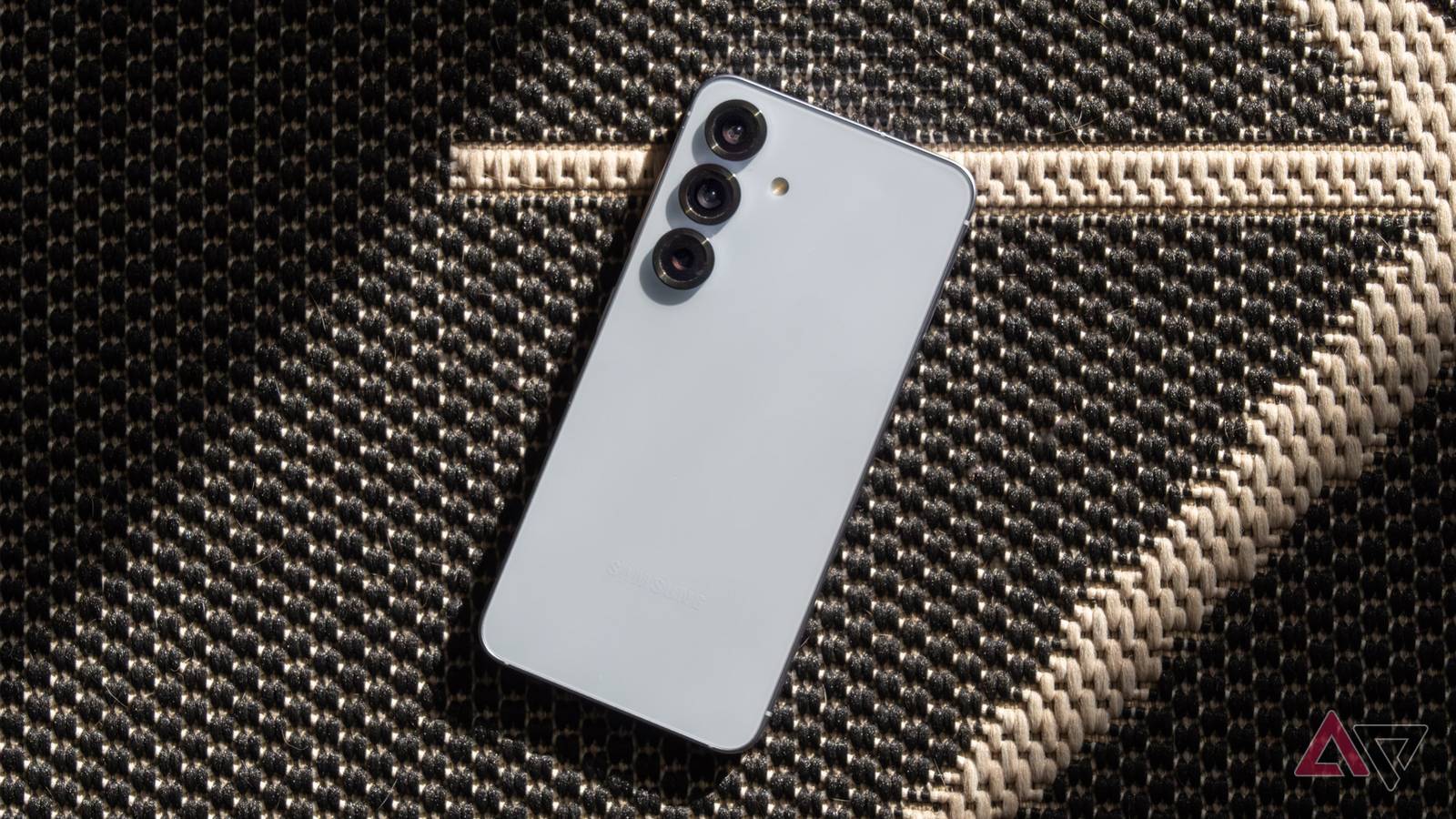
Following the determination, the trade agency issued a limited exclusion order and a cease-and-desist order targeting Samsung Electronics America. The orders apply to infringing mobile electronic devices imported into the country, covering the Galaxy S25, S25+, and Galaxy S25 Ultra, along with certain unnamed Galaxy Tab models. Specific Galaxy smartphones fall under the exclusion order, whereas Galaxy S25 products are targeted by the cease-and-desist order, as noted by Bloomberg Law.
The decision now sits before the White House during a 60-day presidential review period that began on November 25. The U.S. Trade Representative handles the review, which runs until late January 2027. During this window, the commission set the bond at zero percent, allowing shipments to enter the country without posting security until the review concludes.
Proving patent infringement alone is insufficient for a complainant to obtain an exclusion order under statutory regulations; the entity must also demonstrate a domestic U.S. industry connected to the patent-protected articles through substantial capital outlays, workforce engagement, or commercialization via research, engineering, development, or licensing agreements.
Software Updates Protect Existing Devices
Current owners of the affected smartphone lineup face no immediate disruption. Products already sold in the United States, warranty repairs, and service replacements are explicitly exempt from the exclusion orders. Furthermore, Samsung shipped a redesigned camera app to Galaxy S25 devices to avoid further complications, and units operating with the revamped camera software are separated from the infringing classification.
Beyond software patches, Samsung can pursue an appeal through the Federal Circuit or negotiate a licensing agreement with Maxell. Maxell previously initiated a second trade complaint in May 2026 involving six additional smartphone patents that target newer hardware, including the Galaxy S26+, Galaxy Z Fold 7, and Galaxy Z Flip 7.
That separate case, designated as Investigation No. 337-TA-1516, was instituted in August 2026. Neither company had commented publicly on the first decision by Thursday, November 26, 2026.
Analysts Measure Potential Financial Fallout
PhoneArena said that if the ruling holds, Samsung might lose a substantial amount of money and some market share too. SammyGuru highlighted that the Galaxy S25 Ultra 512GB dropped in price to $899.99 through Woot, down from $1,419.99, while emphasizing that Samsung isn’t facing an immediate import ban.
Android Central reported that there is an important distinction between the ruling and an immediate retail ban. Android Central said that Samsung has until the conclusion of the review window to address the verdict, which could involve pursuing further legal challenges or reaching a settlement with Maxell.
Legal Framework Guides Trade Proceedings
The procedural details of the case highlight the strict timelines enforced by the U.S. International Trade Commission during Section 337 investigations. Filings concerning public interest and domestic capacity must be submitted no later than eight calendar days following their release in the Federal Register, acting as an early benchmark for enforcement trends across the mobile and semiconductor supply chains.
Prior administrative law judge findings during the proceedings indicated that Samsung’s redesigned products did not infringe the asserted claims, though the final Commission determination ultimately targeted units lacking the software adjustment.
The ongoing legal friction underscores the high stakes surrounding mobile imaging technology in the United States market. While Motorola holds an active licensing agreement with Maxell for similar camera innovations, Samsung continues to evaluate its legal options alongside potential licensing negotiations.
The outcome of the presidential review period and any subsequent appeals to the U.S. Court of Appeals for the Federal Circuit will determine whether the exclusion orders take permanent effect or if a commercial settlement will resolve the dispute before the January 2027 deadline.