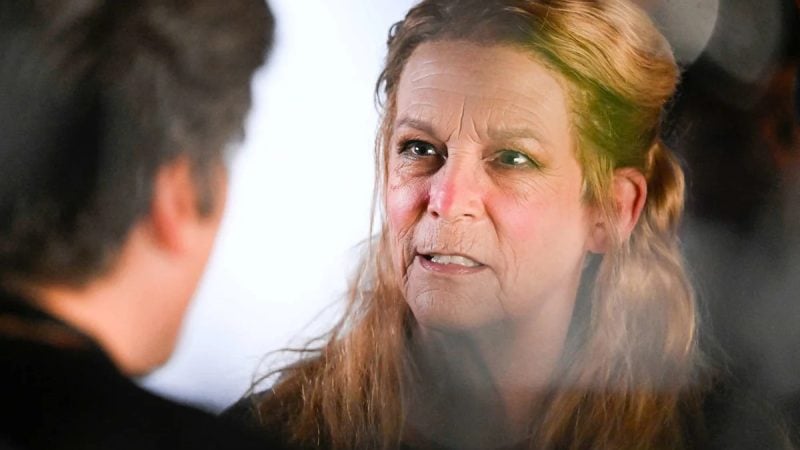
Disgraced Theranos founder Elizabeth Holmes grants unprecedented access in Nathan Fielder’s unconventional documentary You Can See Everything, capturing her life in the final weeks before beginning a federal prison sentence for investor fraud.
Filmmakers Nathan Fielder and Lance Oppenheim spent nearly four years working in secret to capture the final chapter of Elizabeth Holmes before her incarceration, culminating in the release of the three-hour documentary You Can See Everything in theaters on Oct. 16. The project follows Holmes during the restless 34 days preceding her arrival at a minimum-security prison in Bryan, Texas, where she began serving an 11-year prison sentence following her conviction on four counts of fraud.
Critics have met the film with both awe and unease, praising its bold departure from traditional documentary standards while questioning the ethical implications of its methods. Richard Brody of The New Yorker pointed to Fielder’s confrontational interviewing style and his use of reenactments, arguing that his approach introduces an air of cruelty. Meanwhile, Shane O’Neill of The Washington Post described it as a grueling watch, noting that the physical discomfort of the screening environment left him with a stomachache by the second hour.
My review of #YouCanSeeEverything: "What makes the movie so ingenious, and entertaining, and justifies its almost three-hour running time, is the way it approaches its themes." Read the full review here: https://t.co/Kp3MSoa9Jq pic.twitter.com/RcFCm6diaj
<
Living 24/7 with Holmes and Billy Evans Ahead of Incarceration
–>
Living 24/7 with Holmes and Billy Evans Ahead of Incarceration
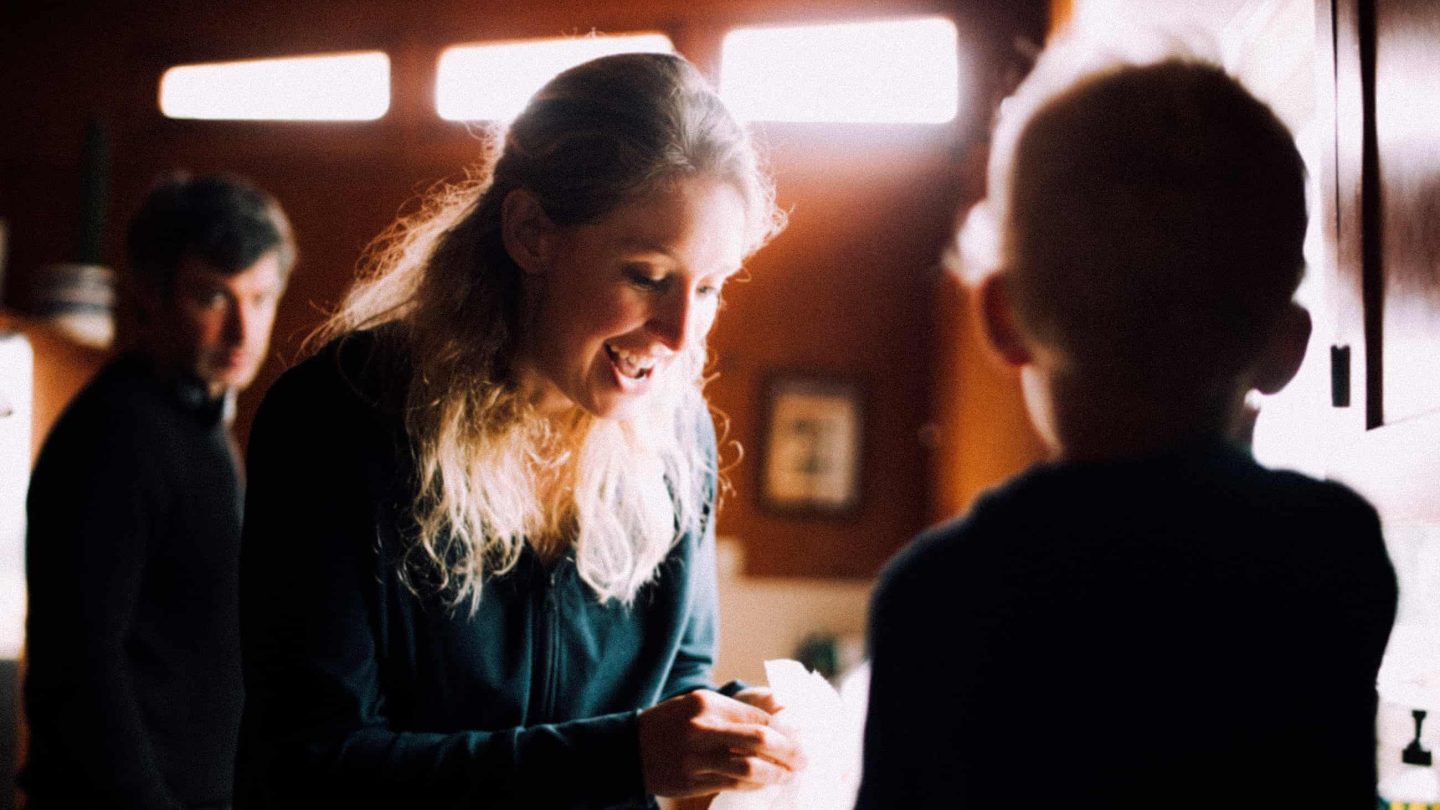
Rather than relying solely on archival footage and talking heads, Fielder and Oppenheim embedded themselves in the daily lives of Holmes and her partner, Billy Evans. The couple invited the crew directly into their home, where Fielder ended up living 24/7 to secure total access. The resulting footage presents a domestic portrait starkly at odds with the polished corporate imagery of the former tech visionary’s Forbes cover days.
Within this domestic sphere, Holmes maintains her innocence with an unsettling guilelessness. As noted in The Cut, she carries wide, unblinking blue eyes and frequently breaks into tears. Throughout the documentary, she insists that her intentions were pure and expresses a desire to launch a new iteration of her blood-testing enterprise.
The world believes a reality about me that isn’t true.
Elizabeth Holmes, via Nathan Fielder
The documentary also turns its lens toward Evans, whose presence introduces new tensions into the narrative. Viewers watch Evans reveal that he carries a gun 24/7 and manage Holmes’s social media accounts without her initial knowledge. Later in the production, Evans attempted to negotiate financial compensation from distributor A24 for their appearance in the film—a move that ran counter to Holmes’s on-camera assertions that money was never her motivator.
<
Contrasting Legal Realities and the Shadow of Theranos 1.0
–>
Contrasting Legal Realities and the Shadow of Theranos 1.0
While public memory often groups the entire Theranos scandal into a single narrative of deception, the legal record contains critical nuances that the documentary brushes against. Holmes was acquitted of all four charges related to defrauding patients. Her imprisonment stems specifically from a jury finding that she knowingly misled investors who poured more than $700 million into her startup.
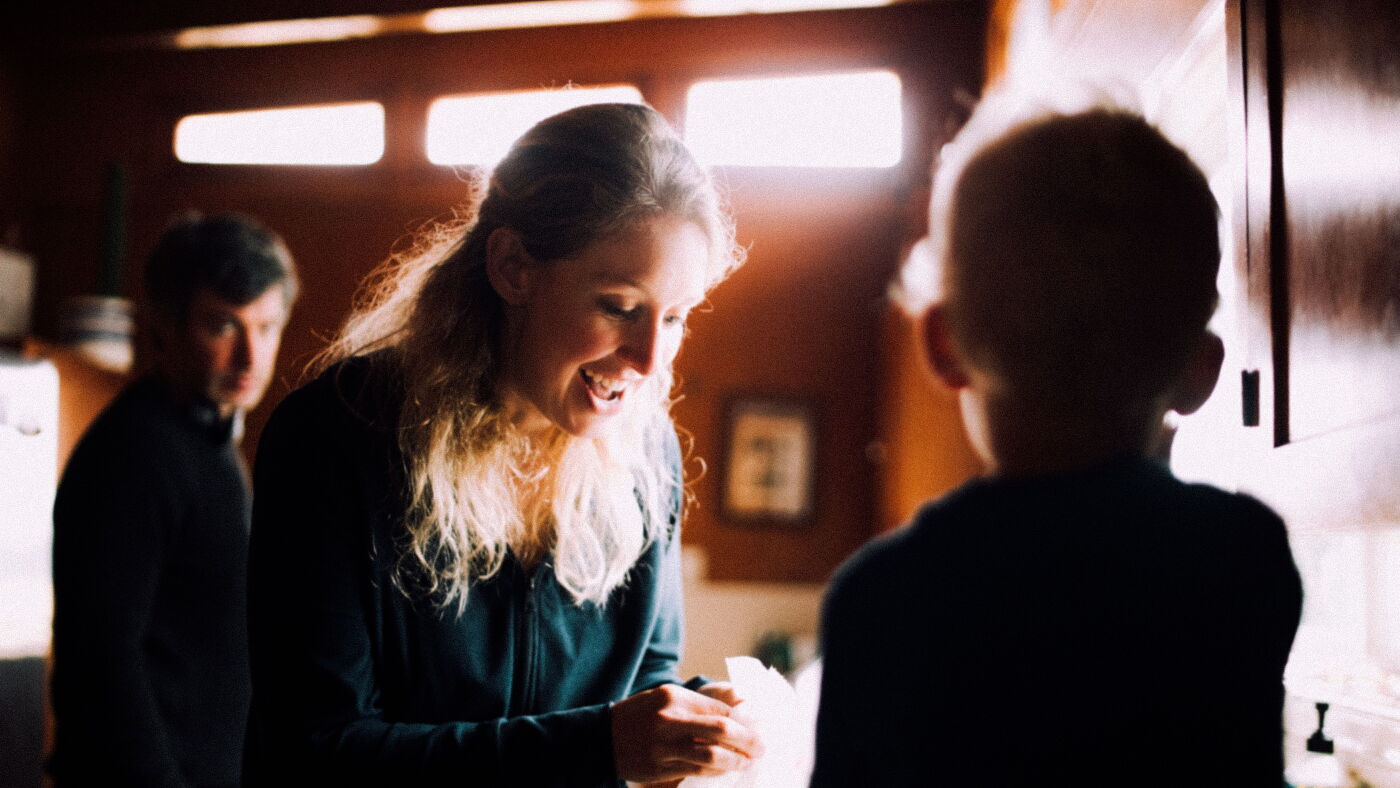
In her criminal defense trial, Holmes’s legal team pointed the finger at her former romantic and business partner, Ramesh “Sunny” Balwani, the much-older COO. In the documentary, however, Evans appears to occupy a similar dynamic of influence, leading reviewers to question the true extent of Holmes’s culpability versus external manipulation.
Alongside their domestic routines, Holmes and Evans spend time attempting to resurrect their blood-testing ambitions. This effort mirrors what Evans has referred to as “Theranos 2.0″—a concept that strikes outside observers as deeply ironic given the historic collapse of the original company.
YOU CAN SEE EVERYTHING: Nathan Fielder’s relentless scrutiny confronts Elizabeth Holmes’s intense narrative control, and the collision makes for not just the year’s best documentary, but 𝗽𝗼𝘀𝘀𝗶𝗯𝗹𝘆 𝘁𝗵𝗲 𝗯𝗲𝘀𝘁 𝗺𝗼𝘃𝗶𝗲 𝗼𝗳 𝟮𝟬𝟮𝟲. https://t.co/XJrqdZMsUT…
<
Legal Status and Scheduled Transition to a Halfway House
–>
Legal Status and Scheduled Transition to a Halfway House
Holmes is currently serving her sentence at Federal Prison Camp Bryan in Texas. Following her sentencing in November 2022, her legal team and supporters have worked to manage her time behind bars.
Looking ahead on the timeline, Holmes is scheduled to transfer from federal prison to a halfway house next year.
‘YOU CAN SEE EVERYTHING’ is now Certified Fresh on Rotten Tomatoes at 99%• One of the highest-rated films of the year.• The documentary follows Elizabeth Holmes as she invites Nathan Fielder to document her every move before she goes to prison. pic.twitter.com/RTY5fZY1BM
More on Elizabeth Holmes
On Nathan Fielder and Lance Oppenheim's galaxy-brained—and maybe great—YOU CAN SEE EVERYTHING, for @ringer https://t.co/I1vQCdmOVn
'You Can See Everything' Review: Nathan Fielder's Documentary About Elizabeth Holmes is a Shameless, Fascinating, Reality-TV-Eats-Its-Tale Look at Entitled Duplicity https://t.co/NXIKx5jMng