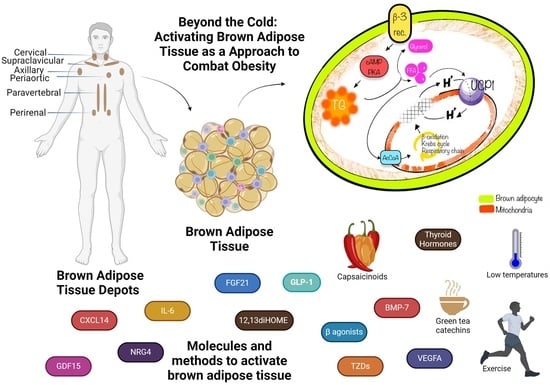
Published in Nature, a study of more than 100,000 people reveals that active brown fat is linked to reduced health risks including type 2 diabetes, depression, and anxiety. Researchers used an artificial-intelligence model to quantify active tissue from scans, showing greater protection with higher amounts of active tissue.
When people think of fat, they typically picture the jiggly tissue around the belly that stores extra calories, known as white fat. But there is another type called brown fat that does the opposite. Typically found around the neck, armpits, and in the chest, brown fat burns calories to generate heat.
AI Analysis of More Than 100,000 Scans
A study of more than 100,000 people—the largest of its kind—is now expanding the list of health benefits linked to this tissue. Published in Nature, the findings demonstrated that individuals possessing active brown fat experience a lower incidence of various medical conditions—such as anxiety, depression, and type 2 diabetes—than those who lack it.
To map and quantify active brown fat, researchers used an artificial-intelligence model to analyze scans from participants. Active brown fat refers to fat that is turned on and burning calories. According to the findings, the more active brown fat people have, the greater their protection from disorders and diseases.
From Newborns to Adults: Mapping Metabolically Active Tissue
Scientists have known for decades that brown fat burns calories to produce heat. The tissue helps newborns stay warm, a function scientists previously thought vanished after babies developed the ability to shiver. However, researchers reported the discovery of brown fat in human adults for the first time in 2009.
To map active brown fat in people, scientists use imaging techniques that highlight metabolically active tissue. Patients are injected with a type of radioactive glucose, and a combination of positron emission tomography and computed tomography scans reveal which tissues take up the glucose, thereby highlighting where brown fat is activated.
These diagnostic techniques are typically used to diagnose and monitor cancer. Working alongside Memorial Sloan Kettering Cancer Center, researchers acquired records from over 100,000 patients who had received these scans during their cancer therapy, in an effort spearheaded by Paul Cohen, a physician-scientist at the Rockefeller University in New York City.