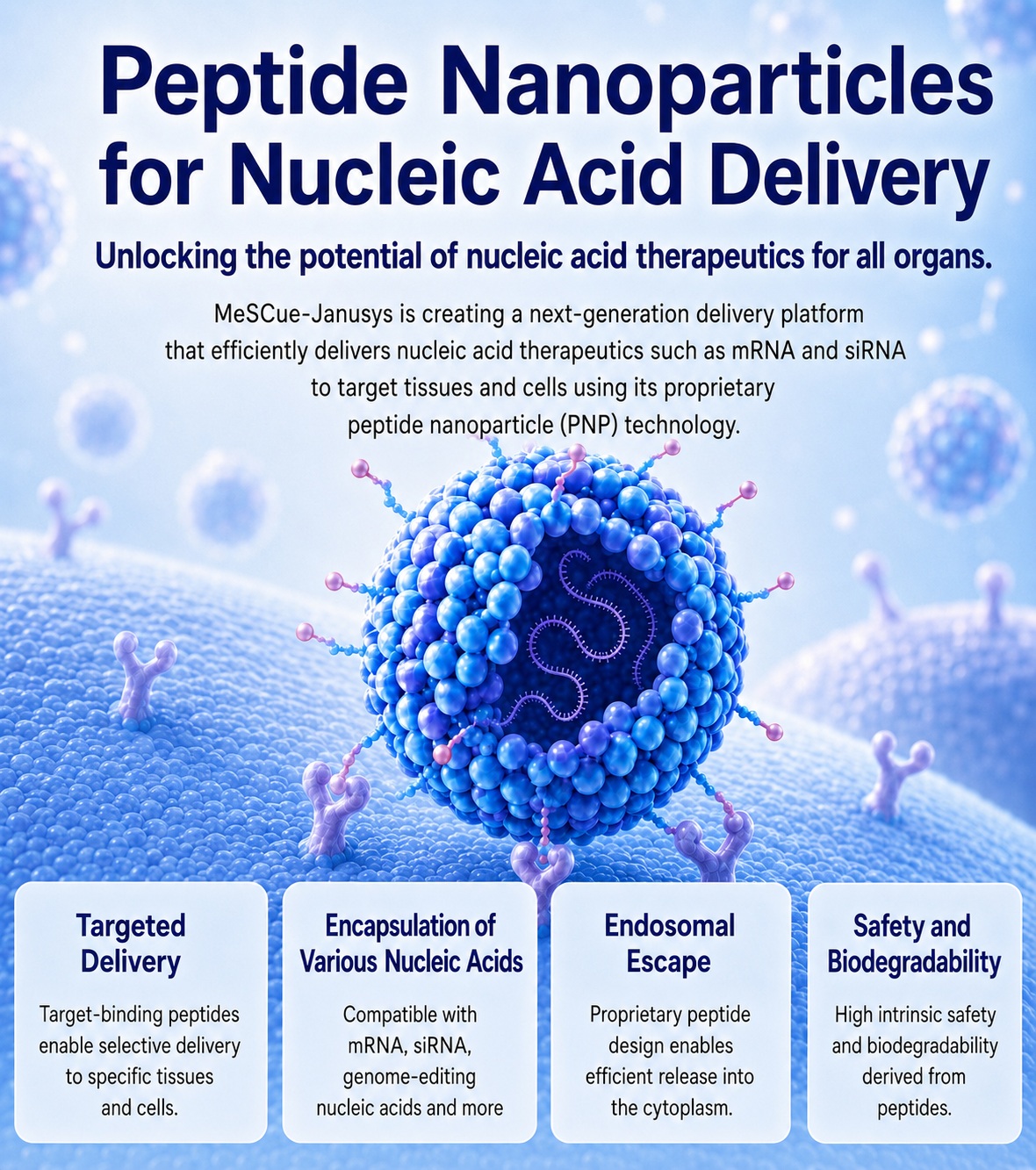
Researchers designing hepatocyte-targeted nanoparticles have combined corn peptides with galactooligosaccharides via the Maillard reaction to improve stability and cell viability under alcohol-induced damage. Meanwhile, a broader analysis highlights how diverse food-derived peptides interact with ethanol metabolism, oxidative stress, and inflammatory pathways in liver injury models.
Corn Peptides Enhance Nanoparticle Stability for Liver Protection
Corn peptide, an enzymatic hydrolysate of corn protein, has a history of use for hangover relief and liver support. To enhance its delivery and performance, investigators designed hepatocyte-targeted nanoparticles consisting of corn peptides attached to galactooligosaccharides through the Maillard reaction.
The resulting particles, designated as CPs-GOS, measure 73.19 nm in diameter. They display a uniform spherical morphology alongside high storage stability, biocompatibility, and free radical scavenging capacity. The inclusion of the galactosyl component drives efficient accumulation and retention within LO2 cells. Treatment with these nanoparticles increases cell viability from 48.87% to 75.18% when cultured hepatocytes face ethanol exposure. This also suppresses oxidative stress.

Diverse Peptides Target Liver Injury Mechanisms
While corn-derived formulations illustrate one avenue for targeted delivery, a parallel perspective examines how a wide array of food proteins yield bioactive peptides that target distinct components of alcohol-associated liver injury. Ethanol oxidation disrupts hepatic redox balance, driving cytochrome P450 2E1 oxidative stress, mitochondrial dysfunction, impaired fatty acid oxidation, and defective very low-density lipoprotein secretion.
Researchers analyzing these pathways emphasize that food-derived peptides must be evaluated against defined biological mechanisms rather than generic hepatoprotection endpoints.
- Chickpea-derived sequences such as ILPHF, MFPHLPSF, LMLPHF, and FDLPALRF, alongside corn-derived SSNCQPF, TGCPVLQ, and QPQQPW, and egg-derived WIVD, have been evaluated for alcohol dehydrogenase activation.
- Chicken-derived KPC provides a model for investigating peptide-enzyme interactions that stabilize alcohol dehydrogenase.
- The bovine beta-casein peptide PGPIPN reduces alcohol-induced steatosis and eases endoplasmic reticulum stress.
- Jinhua ham-derived KRQKYD connects to intestinal and hepatic responses, while sea-cucumber-derived HEPFYGNEGALR and goose-liver-derived LPLPFP demonstrate antioxidant activity in cellular and animal models.
Bridging Protection and Molecular Targets
A central hurdle in peptide research involves the gap between observing a protective phenotype and proving its exact molecular cause. Reductions in serum alanine aminotransferase, aspartate aminotransferase, reactive oxygen species, malondialdehyde, triglycerides, or pro-inflammatory cytokines can stem from multiple upstream shifts. None of these standard markers alone confirm direct target engagement or identify which specific component within a complex hydrolysate drives the effect.
Consider alcohol dehydrogenase activation: accelerating ethanol oxidation can inadvertently increase acetaldehyde accumulation unless aldehyde clearance keeps pace. Establishing a genuine therapeutic benefit requires coordinated measurement of aldehyde dehydrogenase 2, residual ethanol and acetaldehyde concentrations, the NAD+/NADH balance, and overall oxidative burden. Without tracking these concurrent pathways, mixture-level efficacy risks being misattributed to single, unproven peptide sequences.
Optimizing Processes for Peptide Research
Moving from screening databases to scalable production requires rigorous control over enzymatic hydrolysis. Traditional hydrolysate preparation often prioritizes total yield or general chemical antioxidant capacity over sequence-specific release. A targeted process approach evaluates whether a precursor protein contains the sequence of interest. It also checks whether a selected protease can release it cleanly without secondary cleavage. Finally, it assesses whether the final product survives gastrointestinal digestion.
Using liquid chromatography-tandem mass spectrometry alongside simulated digestion and transport models helps link composition directly to function. As recent soybean peptide investigations demonstrate, aligning enzymatic preparation with cellular protection establishes reproducible mixture composition as a practical quality objective even when an individual active sequence remains undefined.


