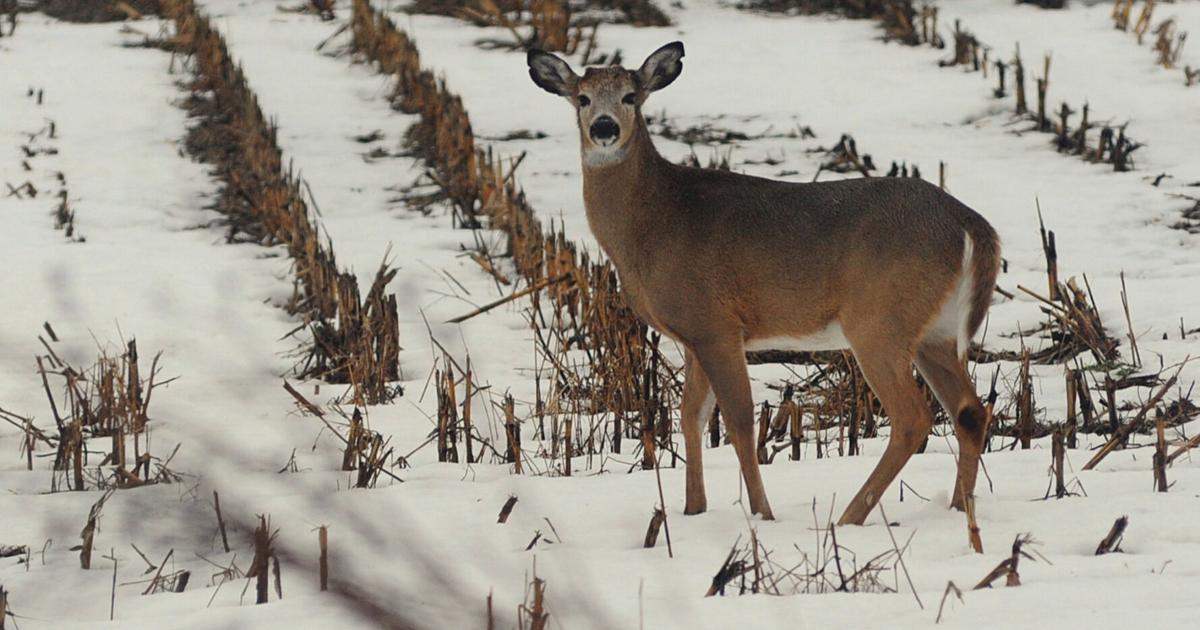
A fatal and incurable animal disease has been detected in a wild white-tailed deer in Livingston County, marking the first time the condition has been found in New York’s wild deer population since 2005, according to TheLCN.com.
First Wild Deer Case in Two Decades
The positive sample came from an adult female deer harvested in the town of Sparta as part of the state Department of Environmental Conservation’s statewide annual wild deer surveillance program, according to Outdoor News.
Tissue samples were tested and retested at Cornell University’s New York State Veterinary Diagnostic Laboratory, with additional testing underway at the United States Department of Agriculture’s National Veterinary Services Laboratories in Ames, Iowa, according to Livingston County News.
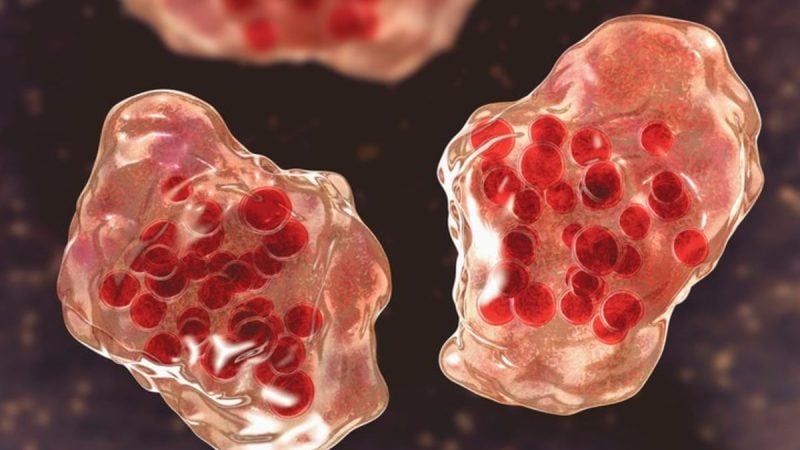
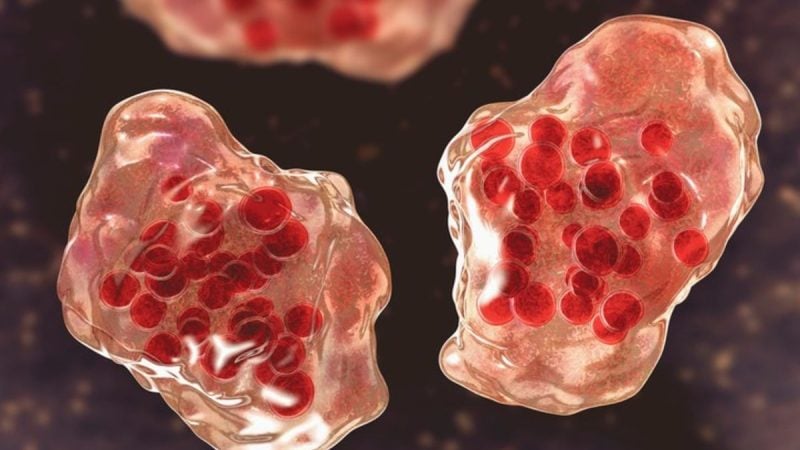
Chronic Wasting Disease, commonly known as CWD, is a transmissible condition that attacks the brain and central nervous systems of deer, elk, and moose. The illness is caused by misfolded proteins called prions, which can be shed in saliva, urine, and feces by infected animals months or even years before they display outward signs of sickness, according to Fingerlakes1.com.
Containment Area and Mandatory Testing
State officials established a containment area encompassing the Livingston County towns of Conesus, Groveland, North Dansville, Sparta, Springwater, and West Sparta, according to Livingston County News. Under DEC regulations, hunters are required to submit tissue samples from every deer harvested within these designated towns, and the boundary may expand if further positive cases are discovered.
The state opened a deer check station at the Livingston County Center for Emergency Operations building located at 3360 Gypsy Lane in Mount Morris, according to Hornell Evening Tribune. The facility operates seven days a week, opening from 9 a.m. to 5 p.m. through Nov. 20, and shifting to 8 a.m. to 8 p.m. starting Nov. 21 through Dec. 13, with holiday closures scheduled for Thanksgiving, Dec. 23 through Dec. 25, and Jan. 1, 2027.
Movement restrictions and prohibitions within the zone ban transporting whole deer out of the containment area without a DEC transport permit, possessing motor vehicle-killed deer, moving high-risk animal parts such as brains and spinal cords, collecting or selling deer and elk urine, and rehabilitating wild white-tailed deer brought into or taken from the area, according to Outdoor News.
The DEC also scheduled a virtual informational session for Nov. 17 at 7 p.m., according to Livingston County News.
State Monitoring Tracks Disease History and Health Risks
State monitoring efforts for the disease began in 2002. The only previous confirmed cases in New York occurred in 2005 in Oneida County across both captive and wild deer, alongside a 2024 detection in a captive red deer herd in southern Herkimer County. Over 70,000 wild deer have been tested across the state since surveillance started, with no intermediate cases found until the Sparta detection.
While public health agencies state there is no evidence linking the condition to illnesses in humans, domestic dogs, cats, or livestock other than deer, moose, and elk, the Centers for Disease Control and Prevention recommends that people avoid consuming venison from any animal known to carry CWD, according to Outdoor News.