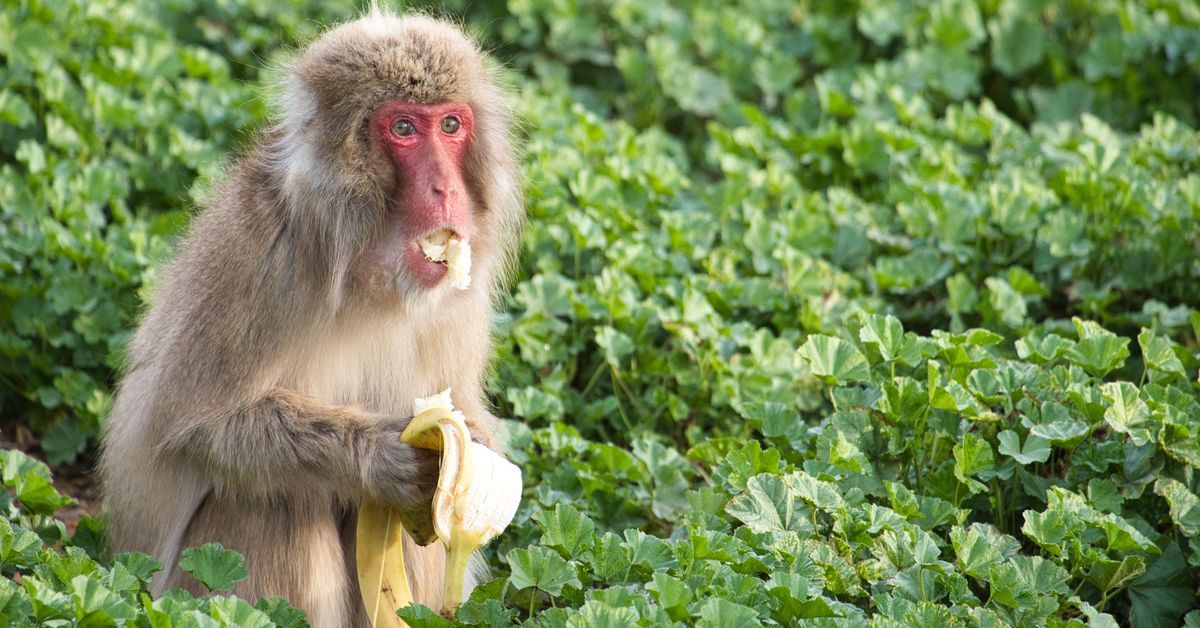
Following a 2020 simian retrovirus outbreak at a South Texas primate sanctuary, Japanese macaques that lived through the crisis showed a marked drop in contact with contaminated food. Researchers found these animals ate from epoxy-sealed feces boards in just 47 percent of trials, compared with 79 percent for unexposed monkeys.
An epidemic swept through a South Texas facility in 2020. It altered the daily routines of Japanese macaques in ways that mirror human reactions to viral threats.
Staff at the sanctuary confirmed the presence of simian retrovirus Type II among several groups of animals. The virus, which causes an AIDS-like immunodeficiency, was transmitted primarily through bites and scratches, driving severe illness and death across three of the sanctuary’s four groups.
In response, staff separated enclosures and instituted strict quarantine and testing protocols. That intervention created a rare natural experiment for researchers studying how disease environments shape behavior.
While the sanctuary is home to animals descended from monkeys originally brought from Japan to Texas in 1972, the 2020 outbreak split the population into an exposed majority and a single untouched group.
Testing Behavioral Changes After a Simian Retrovirus Outbreak
Once the immediate danger subsided, researchers tested 55 macaques to observe their food choices when faced with potential contamination. Each animal chose between food resting on a clean wooden surface and food placed on a board covered in macaque feces. The feces were sealed beneath clear epoxy, preserving visual cues while eliminating any odor or actual risk of infection.
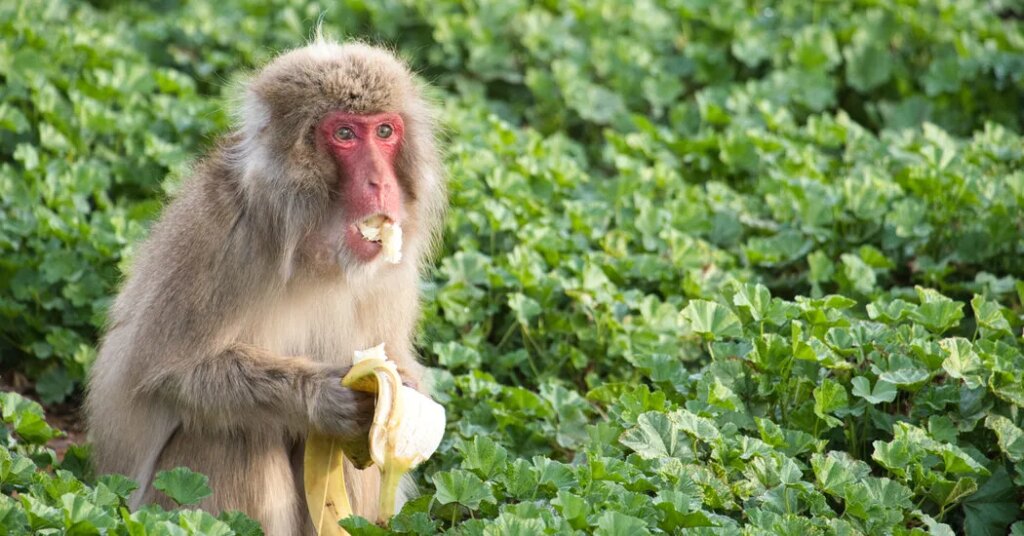
Wild Japanese macaques often prioritize high-value treats over hygiene, readily taking favorite foods off contaminated surfaces while avoiding less favored items. The sanctuary experiment revealed a clear change among the outbreak survivors.
Monkeys from the three groups that experienced the outbreak ate from the epoxy-sealed feces boards in only 47 percent of trials. By contrast, animals from the group that missed the outbreak consumed food from the contaminated surface in 79 percent of trials, according to data reported by the University of California, San Diego.
Infection History and Social Learning Among Sanctuary Residents
A key finding emerged when researchers looked at individual infection status within the exposed groups. Animals that contracted the virus and those that lived alongside sick peers without getting infected displayed identical caution.
The behavioral change stemmed from living through the outbreak itself rather than suffering personal illness.
The ones who used to live with the ones who were sick behaved exactly the same way,
noted Federico Rossano, who directs the Comparative Cognition Lab at the University of California, San Diego and authored the study, as detailed by DNYUZ.
The transmission route added another layer of complexity. Simian retrovirus Type II spreads through blood and saliva during bites and scratches, meaning contaminated food played no role in the epidemic.
Yet the visual cue of feces triggered increased avoidance anyway.
The monkeys see disease and sick individuals and increase their overall sensitivity, even for a transmission route that is completely unrelated to how the disease actually spreads.
Life History Backgrounds Shape Contamination Avoidance
The sanctuary population included animals with diverse origins, ranging from sanctuary-born and zoo-born individuals to former pets and laboratory animals. Researchers observed that monkeys reared by humans were more likely to eat from the contaminated surface, likely because they missed early opportunities to learn avoidance habits from mothers or peers.
Elodie Freymann, a primatologist at Brown University who was not involved in the research, emphasized that life experiences are frequently overlooked in animal cognition work.
Many primate studies still fail to factor in the life history of primate participants,
Freymann said. As if background or experience doesn’t play a critical role in exhibited behaviors,
she added, praising the study for addressing that gap.
Across various animal species, behavioral adaptations to avoid illness take multiple forms. Mandrills screen potential grooming partners by sniffing feces for parasites, and certain species practice self-isolation during infections. The sanctuary findings demonstrate that pathogen avoidance strategies can expand rapidly through social experience when a community confronts a deadly outbreak.


