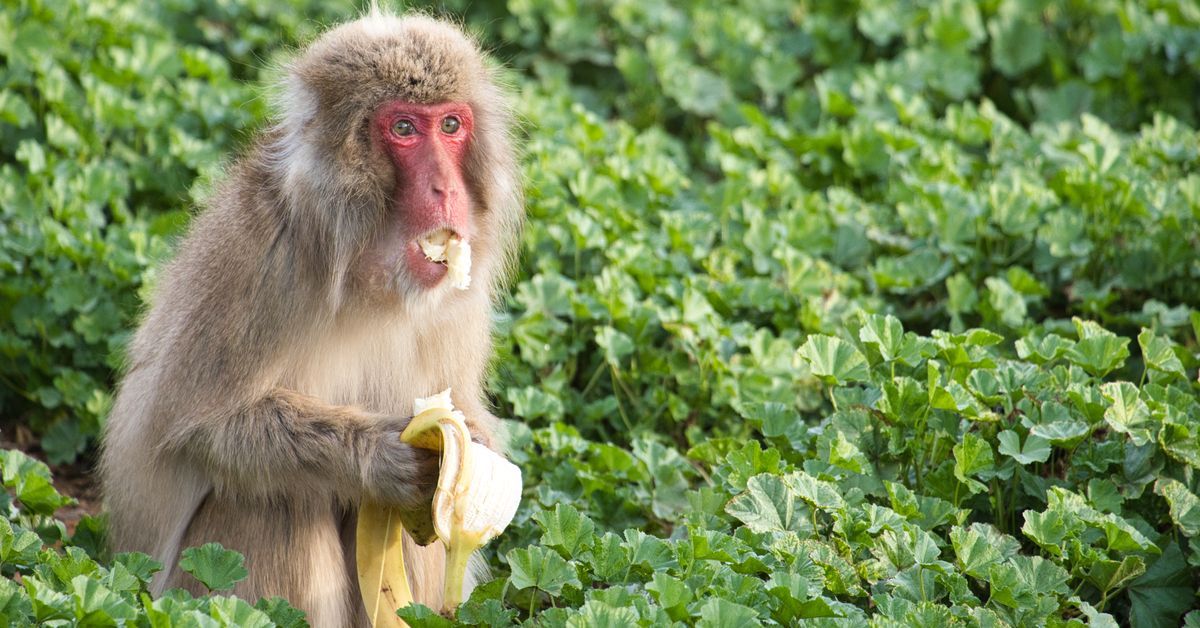
Following a simian retrovirus outbreak at a South Texas sanctuary in 2020, Japanese macaques exhibited a significant behavioral shift, avoiding food on visually contaminated surfaces in just 47 percent of trials compared to 79 percent among unexposed control groups, according to a recent study.
Simian Retrovirus Outbreak Hits Texas Primate Sanctuary
The findings emerged from an unexpected natural experiment at a primate sanctuary in South Texas, which houses groups of Japanese macaques originally brought from Japan to Texas in 1972. Because the animals live in separate enclosures with similar backgrounds, researchers had a rare opportunity to compare groups subjected to very different disease environments.
In 2020, staff confirmed the presence of simian retrovirus Type II, a pathogen capable of causing an AIDS-like immunodeficiency. The virus, which spread primarily through bites and scratches, caused severe illness and death across three of the sanctuary’s four groups. Sanctuary staff responded by separating the groups and instituting strict quarantine and testing measures. One group remained untouched by the outbreak, creating a clear dividing line between exposed and unexposed populations.
Testing Contamination Avoidance in Macaques
After the threat had passed, researchers tested 55 macaques to observe how they navigated a choice between food placed on a clean wooden surface and food placed on a board covered in macaque feces. To ensure the test measured visual perception rather than odor or actual infection risk, the feces were sealed securely under a layer of clear epoxy.
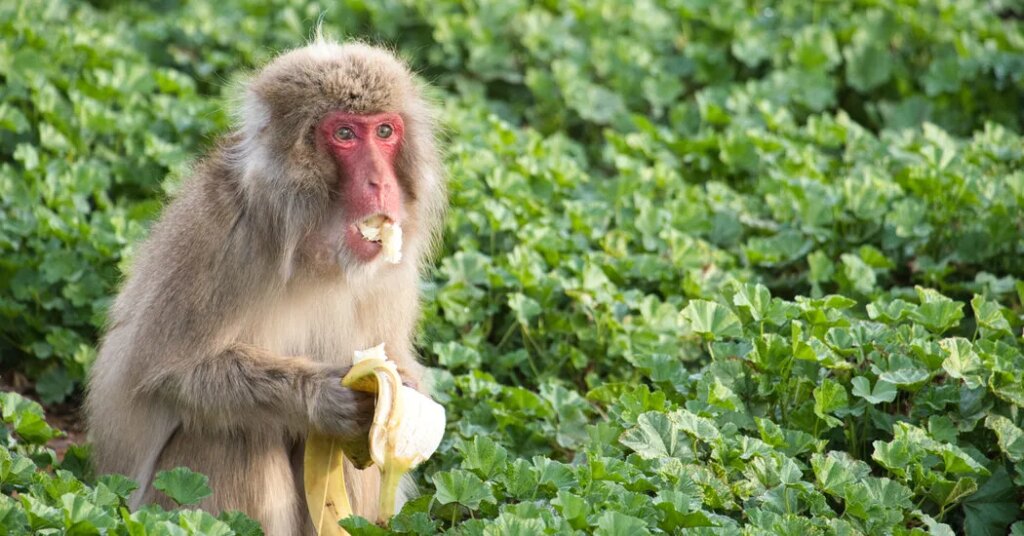
Wild Japanese macaques often prioritize high-value treats over cleanliness, previously demonstrating a willingness to eat food off contaminated surfaces when tempted by a favorite snack like a peanut. In this experiment, however, exposure to disease radically altered their choices. Macaques from the outbreak-exposed groups ate from the visually contaminated surface in only 47 percent of trials. By contrast, monkeys from the group that had never experienced the outbreak ate from the contaminated surface in 79 percent of trials.
Behavioral Changes Without Actual Illness
A critical detail of the study is that the retrovirus did not spread through food. Instead, transmission occurred via blood and saliva during bites and scratches. Despite this unrelated transmission route, animals that witnessed illness among their peers still grew wary of visual contamination.
Infection status did not dictate caution. Monkeys that lived through the outbreak without ever becoming sick themselves exhibited the exact same avoidance behaviors as those that fell ill.
Federico Rossano, who directs the Comparative Cognition Lab at the University of California, San Diego, said that the ones who used to live with the ones who were sick behaved exactly the same way.
Researchers noted that the sanctuary macaques came from diverse backgrounds, including zoo births, former lab environments, and former pets. Animals reared by humans proved more likely to eat the contaminated food, which scientists attribute to having had fewer opportunities to learn avoidance behaviors from their mothers or other macaques early in life.
Brown University primatologist Elodie Freymann stated that many primate studies still fail to factor in the life history of primate participants, as if background or experience doesn’t influence exhibited behaviors.


