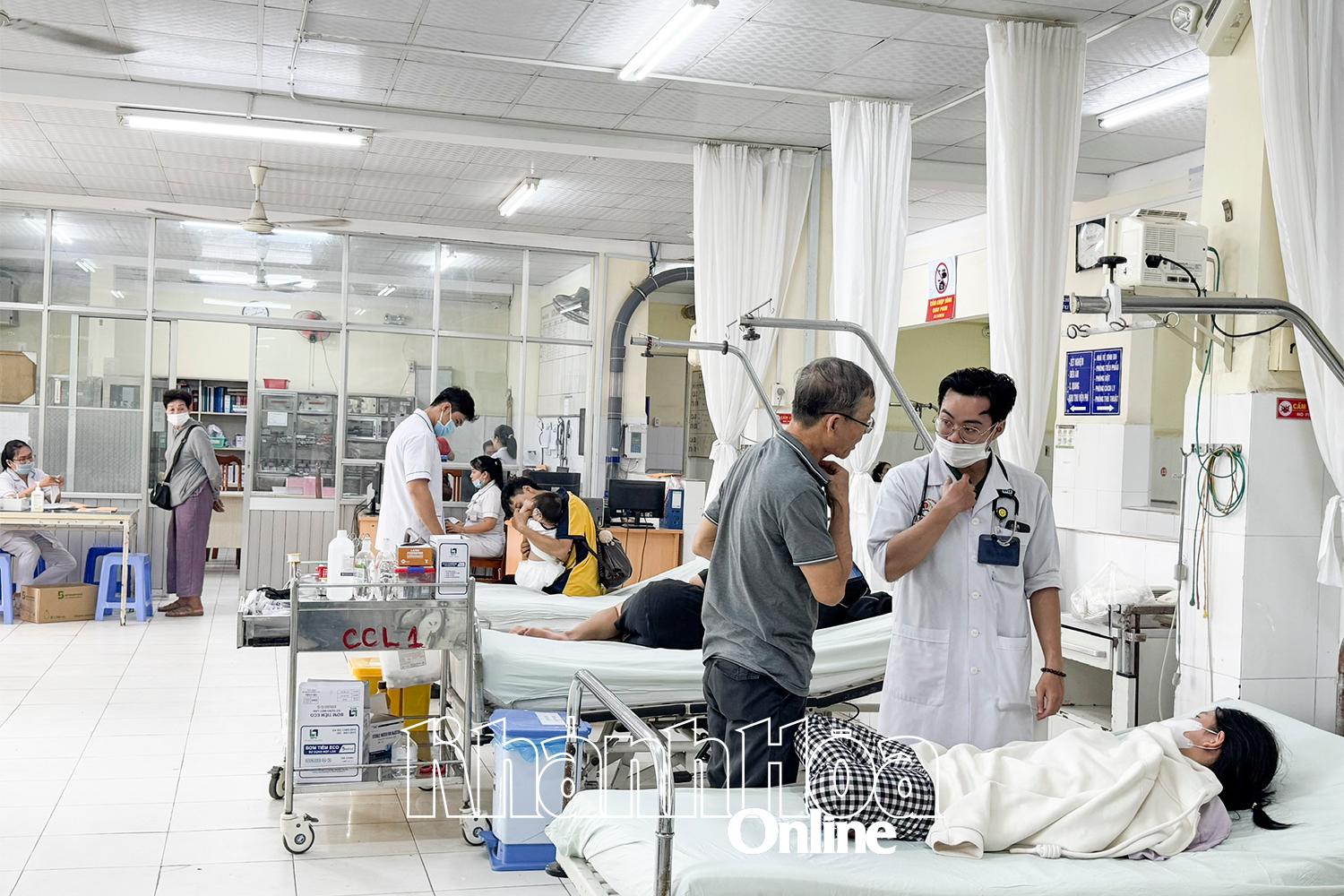
A young child arrived at a clinic with a high fever of 39 degrees Celsius, a severe cough, wheezing, and irritability after testing positive for respiratory syncytial virus.
That clinical encounter at Ha Dong General Hospital highlights a widespread seasonal challenge as hospitals manage respiratory syncytial virus infections and assess the risks of secondary bacterial complications in young patients.
Luoyang Hospital Researchers Build Prediction Tool for Co-Infections
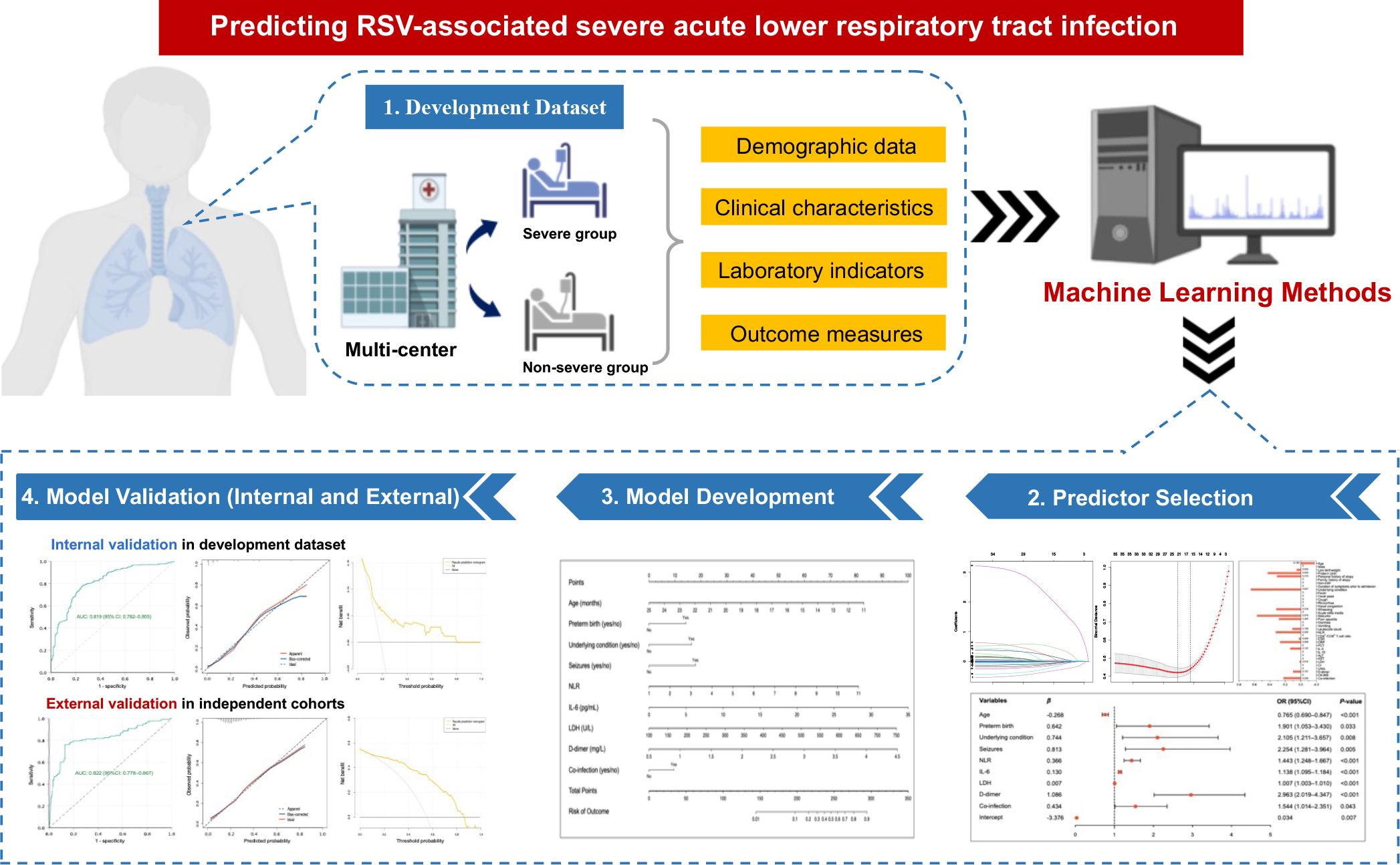
To combat the frequent overestimation of bacterial infections in infants and young children, researchers at Luoyang Maternal and Child Health Hospital conducted a retrospective study of patients admitted with acute respiratory tract infections due to respiratory syncytial virus between January 2023 and October 2025.
The study, published in Frontiers in Pediatrics, notes that respiratory syncytial virus stands as the leading cause of acute respiratory tract infections in infants and young children. However, the high nasopharyngeal colonisation rate of bacteria like Streptococcus pneumoniae and Haemophilus influenzae often leads clinicians to misattribute harmless colonisation to active infection and prescribe empirical antibiotics inappropriately.
Co-infection with Streptococcus pneumoniae and/or Haemophilus influenzae substantially increases disease severity.
From a total pool of 2,141 children hospitalised with a positive respiratory syncytial virus test—including 535 in 2023, 962 in 2024, and 644 from January to October 2025—the investigators applied predefined criteria to identify 1,573 patients for their final cohort. This group was assigned to a training set of 1,104 patients and an internal validation set of 469 patients.
Inclusion criteria required children to be aged 29 days to 18 years, have etiological confirmation of RSV infection, a definite diagnosis of acute respiratory tract infection, and complete hospital records available. Exclusion criteria removed children who acquired RSV infection due to nosocomial infection during hospitalisation. Radiological findings, including the presence or absence of lung consolidation, were recorded from the original reports.
Model Performance and Clinical Application Variables
Using least absolute shrinkage and selection operator regression alongside multivariable logistic regression, the research team identified six independent predictors to construct a clinical nomogram. The model incorporates lung consolidation, the RSV-CLASS score, white blood cell count, the neutrophil-to-lymphocyte ratio, serum ferritin, and interleukin-6 levels.
| Dataset | Patient Count (n) | AUC Score |
|---|---|---|
| Training Set | 1,104 | 0.872 (95% CI: 0.841–0.898) |
| Internal Validation Set | 469 | 0.829 (95% CI: 0.780–0.877) |
The nomogram achieved an optimism-corrected C-statistic of 0.864.
Because of this risk overestimation and a low positive predictive value, investigators emphasize that the nomogram functions primarily as a clinical rule-out tool rather than an independent justification for launching antimicrobial therapy. The model distinguishes colonisers from true pathogens, and is intended to support more rational antibiotic use.
Preventive Guidance and Treatment Realities
Health authorities point out that treatment for respiratory syncytial virus relies primarily on supportive care and symptom management. Antibiotics remain ineffective against viral pathogens and are reserved strictly for confirmed concurrent bacterial infections.
Researchers at Luoyang Maternal and Child Health Hospital, a Grade III-A public institution located at Tong Qu Road 206 in Luoyang, Henan, conducted a retrospective study of 2,141 children hospitalized with RSV between January 2023 and October 2025. The hospital integrates prevention, health care, medical treatment, rehabilitation, teaching, and research for women and children, with nationally recognized specialties in menopause health care and provincial-level specialties in pregnancy, perinatal, and neonatal health care.
RSV can begin with mild symptoms, but can develop rapidly in newborns, premature babies, and children with underlying medical conditions. Parents should not rely on fever alone to assess the child’s condition, but also closely monitor respiratory rate, ability to eat and drink, and alertness. If the child shows signs of chest retractions, increasing breathing difficulties, cyanosis, apnea, refusal to drink, or unusual lethargy, the family should bring the child to a medical facility immediately for examination and timely treatment.
Risk groups for developing severe disease include premature babies, babies younger than 6 months, and children with congenital heart defects, chronic lung diseases, or an immunodeficiency. Symptoms of RSV infection in babies and young children are sometimes atypical; children may not have a high fever, but may feed poorly, be irritable, be less active, or have breathing problems.