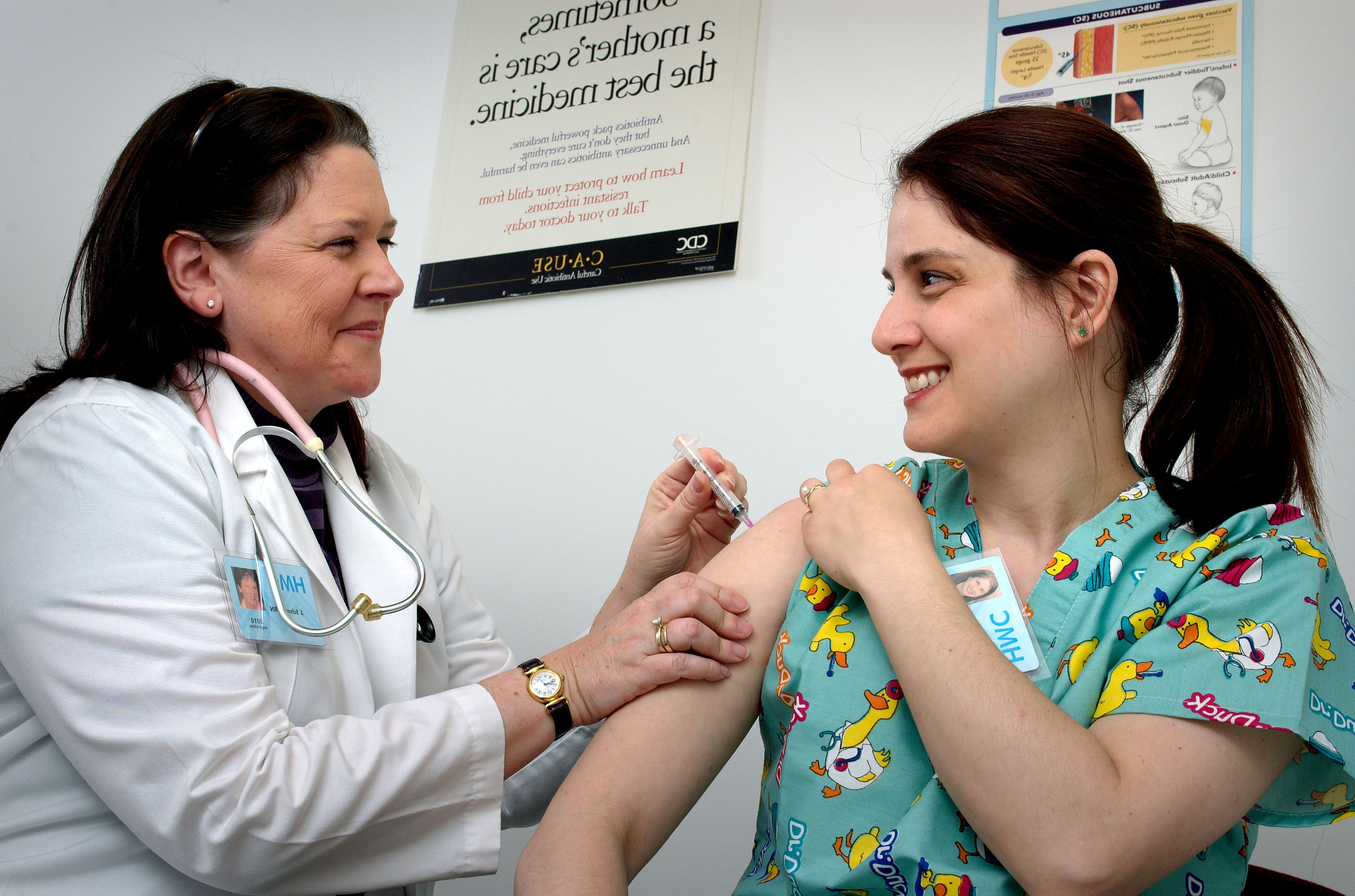
Global measles deaths reached an estimated 95 000 in 2024, predominantly affecting unvaccinated or under-vaccinated children under five, according to World Health Organization data. Despite the availability of a safe and cost-effective vaccine, the proportion of children receiving a first dose dropped to 84% in 2025, falling below pre-pandemic levels.
Measles remains a highly contagious airborne viral disease capable of causing severe complications and death, according to World Health Organization records. The virus infects the respiratory tract before spreading throughout the body, triggering symptoms that typically begin seven to 14 days after exposure.
Early symptoms generally persist for four to seven days, including high fever, cough, runny nose, red and watery eyes, and small white spots inside the cheeks. A prominent rash appears three to five days after the initial symptoms, usually beginning on the face and upper neck before spreading downward to the trunk, arms, legs, and feet over a three-day period, lasting four to eight days before fading.
Global Death Toll and Vaccination Coverage Declines
Even though a safe and cost-effective vaccine has been available since 1963—when major epidemics occurred every two to three years and claimed an estimated 2.6 million lives annually—the disease still exacts a heavy global toll. According to World Health Organization figures, accelerated immunization activities by countries, the World Health Organization, the Measles & Rubella Partnership, and other international partners successfully prevented nearly 59 million deaths between 2000 and 2024.
Vaccination efforts drove down estimated measles deaths from 780 000 in 2000 to 95 000 in 2024. However, the latest metrics show concerning vulnerabilities. The proportion of children receiving a first dose of the measles vaccine stood at 84% in 2025, slipping slightly beneath the 2019 baseline level of 86%, leaving thousands of young children exposed.
Severe Health Complications and High-Risk Populations
Most fatalities associated with the virus stem from related medical complications rather than the initial infection. Documented complications include blindness, encephalitis—an infection causing brain swelling and potential brain damage—severe diarrhea and related dehydration, ear infections, and severe breathing problems such as pneumonia.
The World Health Organization notes that catching measles during pregnancy poses severe dangers, potentially resulting in miscarriage or premature birth with low birth weight. Complications occur most frequently in children under the age of five and adults over the age of thirty. Children who are malnourished, particularly those lacking adequate vitamin A or possessing weakened immune systems due to HIV or other diseases, face heightened vulnerability as the virus itself temporarily weakens the body’s immune defenses.
Prevention and Public Health Outlook
Being vaccinated remains the most effective method to prevent contracting the virus or transmitting it to others, as the safe vaccine assists the body in fighting off infection. With global first-dose coverage dipping to 84% in 2025, public health authorities emphasize that maintaining widespread immunization coverage is essential to prevent a resurgence of major epidemics similar to those seen prior to 1963.

